Introduction — a quick scene, a few numbers, a question
I was on a refinery floor once, watching a small team move slowly and carefully around drums of solvent — the mood was quiet, almost hushed. In that scene a single non sparking hammer sat on a toolbox and everyone glanced toward it when a job needed doing (we all knew why). Studies hint that hundreds to thousands of incidents each year involve tools and static — so a non sparking hammer can matter in real terms. How much safer do crews become when they swap steel for the right non-ferrous tool — and what practical trade-offs show up on the next shift?

Let me walk you through what I’ve seen, what the data nudges toward, and the questions teams should ask before they buy — sawa, let’s begin.
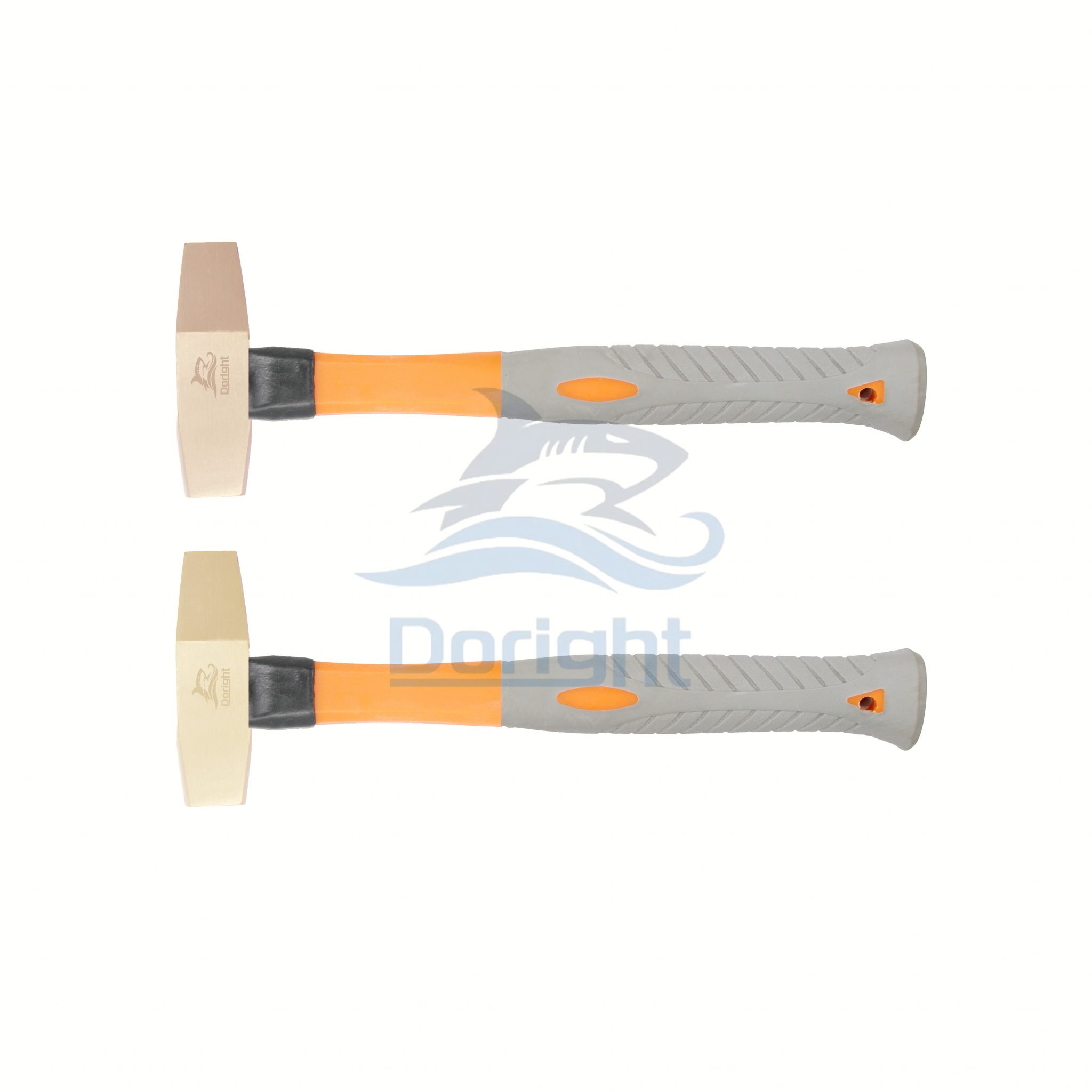
Why conventional tools fail crews: digging into design flaws
I want to focus on the real weak spots — not hype. When people talk about tool safety, they often miss subtle design failures that put workers at risk. Take copper non-sparking hammers — they are a strong option, yes, but traditional designs sometimes ignore impact energy distribution, surface finish, and long-term wear. Those oversights mean a tool that looked safe the first month can behave differently after a year of heavy use.
Look, it’s simpler than you think: if a head chips or corrodes, the non-ferrous alloy can expose harder inclusions or deform in a way that changes contact dynamics. That increases friction and — worse — can create sparks under the wrong conditions. From a technical angle, the flaws often trace to poor heat treatment, non-uniform casting, or inadequate spark testing during manufacture. Add in lack of ATEX compliance checks and poor documentation around electrostatic discharge control, and you get a recipe for unexpected failures.
What does that mean for users?
For crews, the pain points are clear. Tools that feel light and safe at first may develop surface fatigue, which raises maintenance costs and downtime. Users report surprise wear on striking faces, unpredictable rebound, and a false sense of security when a tool is past its service life. I’ve seen teams skip inspections because the tool “looks okay” — and that’s where hidden risk lives. If you rely on edge computing nodes or ruggedized equipment in the same work zone, a bad tool can be the weak link that undermines whole safety protocols.
Looking forward: new principles and practical choices for non-sparking tools
Moving ahead, I like to think in principles more than product blurbs. New technology emphasizes traceable material provenance, controlled manufacturing tolerances, and validated spark testing methods. For example, consistent non-ferrous alloy composition matters — it controls hardness, ductility, and impact energy behavior in real use. Manufacturers are starting to use better quality control, and some firms add serial numbers and lifecycle logs so teams can track a tool’s history — which helps with maintenance planning and compliance audits.
Also, don’t forget the other class of tools: non-sparking shovels are part of the same toolkit and deserve the same scrutiny. When you compare options, consider how the tool performs after repeated strikes, whether it resists surface abrasion, and if it maintains dimensional stability under temperature swings. I like to test for rebound, measure impact energy absorption, and verify that the finish resists contaminants — those checks tell you how a tool will behave on day 1 and day 365 — funny how that works, right?
What’s next for teams?
Here are three simple evaluation metrics I use when advising crews: 1) material traceability — can you prove what’s in the alloy; 2) documented spark testing — is there independent verification; and 3) lifecycle support — are replacement parts and inspection guidelines available? Use those metrics and you’ll sidestep the common traps that make a non-sparking tool less safe over time. I’ve recommended these checks to many crews, and they usually save money and anxiety in the long run. In my view, smart buying beats cheap buying every time.
In closing, I still think hands-on checks and clear records beat assumptions. We owe it to the teams in the field to choose tools that keep doing the job safely — not just on day one, but for the long haul. For trusted options and more product detail, see Doright.
