Why Sky Lasers Now: A Practical Comparison
You arrive at a waterfront festival and feel the crowd lean toward the skyline. A sky laser draws a line from the pier into the clouds. The organizer says last year’s xenon cans pulled twice the power and still faded in light haze; this year’s rig runs cooler and hits farther with tighter beam divergence. Numbers back it up: modern optics can cut power use by 20–40%, while IP65 housings slash weather delays (no more tarps in wind). So why do some teams still push legacy searchlights and stack more fixtures, more generators, more hassle? The answer hides in habit, not performance—funny how that works, right?
Here’s the simple frame: better brightness per watt, steadier lines in moisture, quicker setup via DMX/Art-Net, and less re-aiming thanks to precise galvanometer scanners. That is not marketing; it is physics plus good thermal management and sane power converters. Still, choices hinge on real-world constraints: permits, neighbors, aviation rules, and rain. If we compare like-for-like, which approach wins the night without wrecking the budget or the schedule? Let’s get practical and walk through why the gap shows up in use, not spec sheets, and what you can do to close it fast.
Traditional Rigs vs. Modern Systems: The Hidden Cost Curve
Where do traditional rigs stumble?
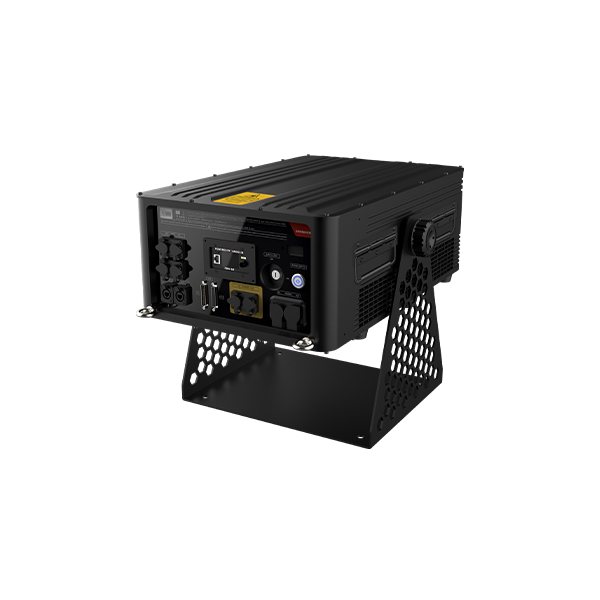
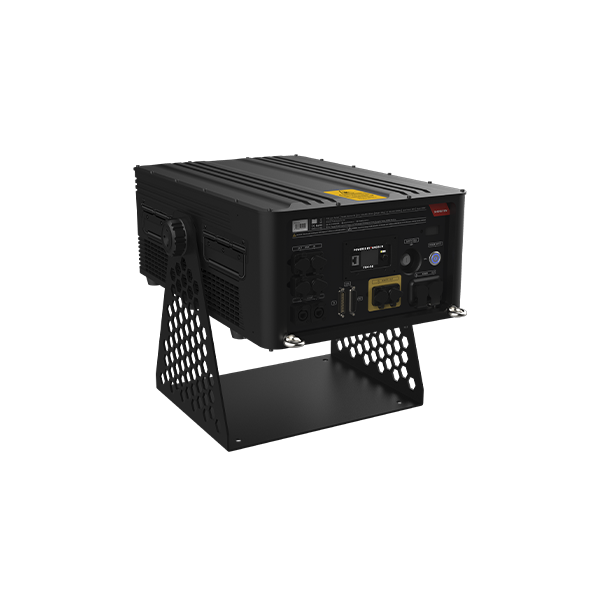
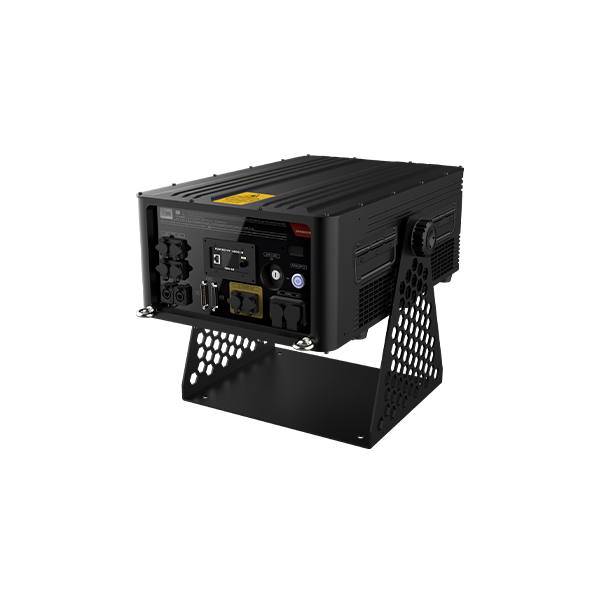
A modern outdoor sky laser light starts with control of the beam, not brute force. Old-school searchlights push lumens wide, then hope for reach. Lasers do the reverse: they keep beam divergence low, then place power where eyes can see it. Look, it’s simpler than you think. Lower divergence means less spill, less neighbor glare, and clearer lines through mist. Add sealed optics and IP65-rated chassis, and you cut downtime when rain arrives. With galvanometer scanners, you draw forms, text arcs, even slow sweeps that hold shape; moving heads struggle to keep edges clean at long range. And because drivers and power converters are tuned for stable output, brightness does not “breathe” when the wind hits or when lines run long from the distro.
The weak points of legacy rigs show up around logistics. Large lamps and reflectors need more crews, more lift work, and more alignment checks. Bulb life and recalibration add silent costs that never show on a brochure. In noise-sensitive zones, generators are a headache. In permit-sensitive zones, stray light is the headache. Modern lasers integrate DMX/Art-Net control, safety interlocks, and often remote monitoring. That means fewer truck rolls and faster troubleshooting. Pair that with smarter thermal management and you get consistent output across the show, not a fade at minute forty. If you map total cost, including crew hours and weather delays, the old stack looks heavy. The modern stack looks lean.
Beyond the Glow: Principles That Push the Line Forward
What’s Next
Looking ahead, the move is not just brighter beams. It is smarter systems. New optics reduce speckle while keeping sub-mrad divergence. Coatings improve transmission, so you get more sky for the same watt draw. Controllers now talk to edge computing nodes at the site, which makes cueing snappier and redundancy simple. For architecture, a laser for building applications can lock to façade lines, follow BIM references, and compensate for wind sway in real time. That is a big deal when your canvas is a tower, not a stage backdrop. And the weather story keeps improving: sealed housings, smarter fans, and heat sinks that shed load without noise. Less baby-sitting; more show. — funny how that works, right?
Compared with the flaws we outlined—spill, bulk, drift—the newer path reduces friction at every step. You get tighter control over brightness, simpler compliance with flight paths, and cleaner turnarounds between nights. The lesson is not “buy the shiny thing,” but “choose the principle that scales.” If you want a practical filter, use three checks. 1) Optical efficiency: beam divergence, transmission losses, and real candela in haze. 2) Environmental hardening: IP rating, thermal management under load, and service access in the rain. 3) Control and safety stack: DMX/Art-Net reliability, watchdogs, and remote logs you can hand to the safety officer. If a system clears those with margin, it will carry your show and your schedule. For a grounded starting point that aligns with these checks, see Showven Laser.
