Introduction: A Quiet Choice with a Loud Impact
You step into a calm boutique at dusk, the city soft outside and the lights warm inside. The cases open to classic jewelry pieces, each reflecting a measured glow. Sales reports across the region show that elongated cuts are rising, and interest in marquise cut diamonds keeps pace with that trend. In some listings, over a third of bespoke rings lean toward slim, finger-flattering silhouettes. Yet many clients still worry about daily wear, tipping, and light performance. So, how do we choose a marquise that looks noble and also lives well?

In Arabic fashion circles, elegance is not loud; it is considered and graceful. The marquise shape gives length, presence, and a vintage air. But the shape also brings unique variables—table percentage, girdle thickness, and the famous bow-tie effect (that shadow across the center). My question to you is simple: can we manage these variables without stress? Kindly, allow this short guide to set the base for a better decision, then we will go deeper in the next section.
Part 2: The Hidden Frictions Behind the Marquise
Where does the sparkle lose its way?
Let us be technical for a moment. The marquise is brilliant-cut, but its long facets challenge consistency. If the pavilion depth drifts or the crown angle is too flat, light leaks, and the bow-tie darkens. Symmetry matters more here than in many round stones; tiny misalignments are visible by eye. The pointed tips, if the girdle is very thin, chip in prong settings. And inclusions near either tip look larger due to magnification at the points—small issue, big effect. Look, it’s simpler than you think: most “mystery” disappointments trace back to proportions and protection.
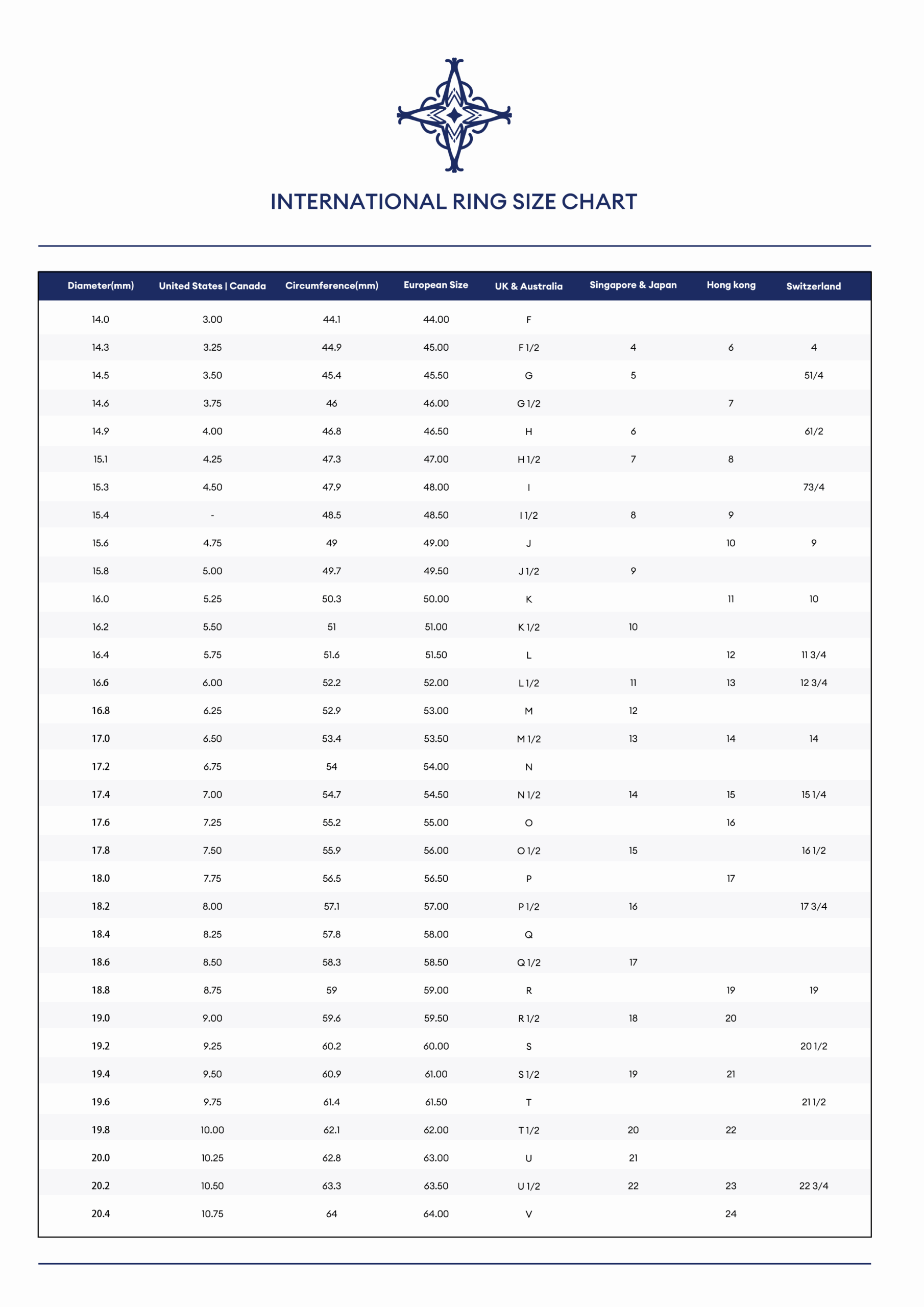
There are comfort concerns, too. Some halos add bulk and catch on fabric. A high-set marquise can spin if not balanced across the shank. Fluorescence, when strong, may turn the center hazy in certain light. Meanwhile, the very feature many love—the length—can make sizing tricky for narrow fingers. Traditional fixes (tight prongs, thicker bands) sometimes solve one problem but cause another—less fire, more snag. In short, the classic look is beautiful, but the old shortcuts are not. We need smarter checks and kinder engineering to keep the romance intact.
Part 3: Forward Look — Smarter Cuts, Calmer Choices
What’s Next
Now we move to solutions, and the pace changes. New optical modeling tools simulate light return before the stone is set, predicting contrast and the bow-tie profile. Workshops use precise facet maps to keep table percentage and symmetry within tighter windows. Micro-settings with V-tips shield the points without overwhelming the outline—funny how that works, right? Even better, CAD bands with counterweights reduce spin while staying slim. When you plan a setting around a marquise diamond, these principles act like seatbelts: quiet, unseen, but protective.

Comparatively, modern marquise options outperform the old “eye test” approach. A lab report gives clarity and carat, yes, but adding a light performance scan reveals leakage and scintillation. Parametric design helps keep the crown angle and pavilion depth in balance. Low-profile bezels now come tapered, so you get sleek wear and fewer snags. The headline is simple: if we manage proportions, shield the tips, and tune the setting height, the result is stable brilliance—and less worry on the hand. (And yes, that detail matters.)
To close, here are three practical metrics to guide your choice. 1) Proportions: aim for clean symmetry, controlled pavilion depth, and a table that does not flatten fire; verify with a light map if possible. 2) Tip protection and ergonomics: secure V-tips or micro-prongs, with set height low enough to reduce snag risk but high enough for light entry. 3) Bow-tie control: evaluate contrast under natural and LED light; avoid stones with a dense, unbroken dark band across the center. With these checks, you honor the classic look while choosing with clarity—an approach that suits both taste and daily life. For further study and refinement, kindly see Vivre Brilliance.
