Clear Differences, Immediate Choices
The look and feel of a part tell two different stories: one carved by CNC, the other born from mold flow. Comparing them side by side reveals where each method shines. For short runs and fast iterations, CNC prototypes keep geometry honest and lead times short; for higher volumes and consistent surface finish, custom injection molding services take over. This piece maps those trade-offs with concrete detail so engineers and product teams can decide without guesswork.
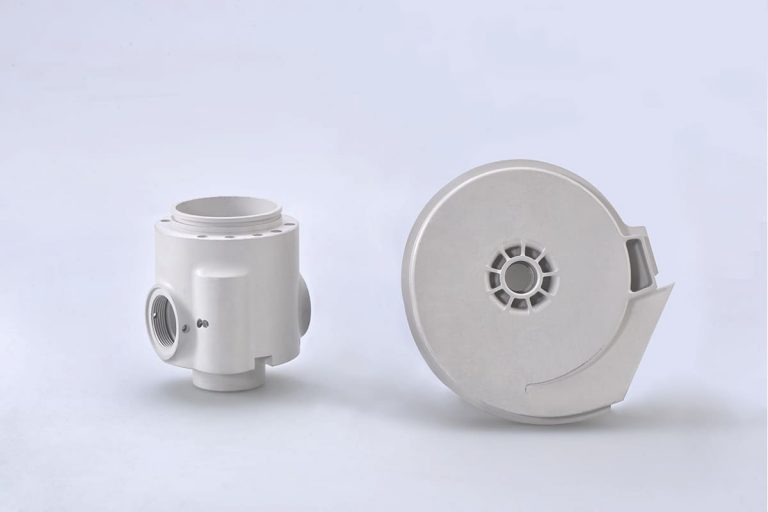
When CNC Prototyping Wins
CNC excels when you need tight single-part tolerances, sharp edges, or quick design verification. Expect straightforward material choices—aluminum, PEEK, acetal—and predictable machining marks that you can specify or remove. CNC fits low-volume production, functional testing, and parts that require post-process assembly features. Costs scale linearly with time on the machine; complexity hits the price directly.
When Injection Molding Makes Sense
Injection molding becomes the better choice when per-part cost must drop with volume and repeatability matters. Tooling adds upfront cost and time, but cycle times drive dramatic unit-cost reductions once you clear that threshold. Molding also enables thin walls, integrated ribs, and surface textures not practical or economical with machining. Design for manufacturability is non-negotiable: draft angles, gate placement, and shrinkage must be planned before the first cavity is cut.
Common Pitfalls and How to Avoid Them
Teams often misjudge tolerances, wall thickness, and material selection. Overly tight tolerances on injection parts inflate tooling complexity; under-specified wall thickness causes warpage or sink marks. For CNC, hidden internal features can balloon costs if designers assume free access. Sketch the intended production method early, specify realistic tolerances, and prototype critical features in the final material when possible.
Experience, Standards, and a Real-World Anchor
Practical judgment comes from repeated projects, familiarity with material datasheets, and adherence to production standards such as ISO 9001 and ASTM test methods. A useful reference point is large manufacturing centers like Shenzhen, where tooling houses and rapid-turn plants concentrate expertise and publish performance benchmarks—this context informs realistic lead times and cost models and is directly relevant when selecting a custom injection molding manufacturer. Look for suppliers that document process controls and offer material traceability; those signals reduce risk.
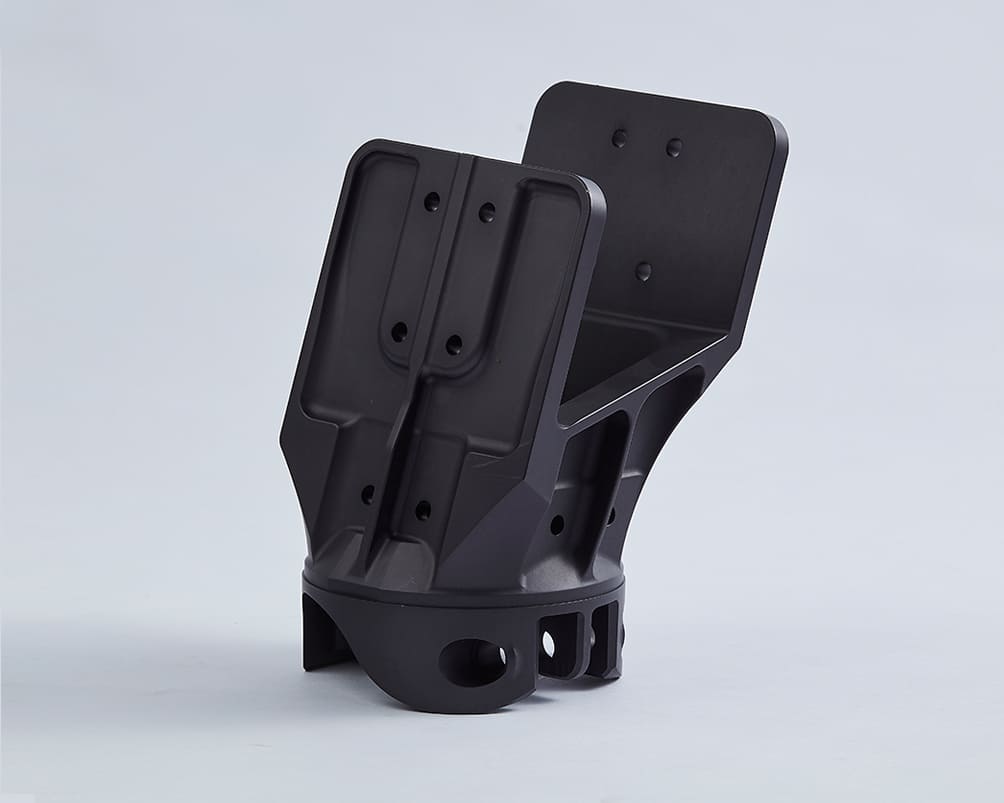
Trade-Off Checklist
Decide by answering direct questions: Will volumes exceed the tooling break-even? Do parts need complex internal geometries? Is surface texture a selling requirement? If you need iteration speed and small batches, lean CNC. If you need repeatability across thousands of units and lower unit cost, plan for molding and invest in tooling design. Communicate feature-critical dimensions and required inspections up front.
Final Synthesis
Compare facts rather than anecdotes: machining time, mold cost, expected volume, and required material properties. That comparison yields a clear strategy — whether to validate a design with machined parts or to amortize a mold for production. For teams balancing prototype agility against production consistency, the pragmatic path often lies with partners who can move between both worlds, and those capabilities are the kind of integrated offering you find at Hanstar.
