Comparing Personalized Learning and Adaptive Technology: A Straight-Shootin’ Guide
Head-to-head from the outset
Well, here’s the plain deal: compare what’s trying to tailor learning to a person versus what’s tweaking delivery in real time, and you’ll see different aims and trade-offs right off. That kind of side-by-side thinking is what I’m stickin’ to here, so you can tell which approach fits an app, a classroom, or a corporate training program. Some vendors will call themselves an AI learning platform, and that label alone doesn’t tell you whether the system centers learner goals, content sequencing, teacher control, or opaque algorithmic nudges.

What each term usually means
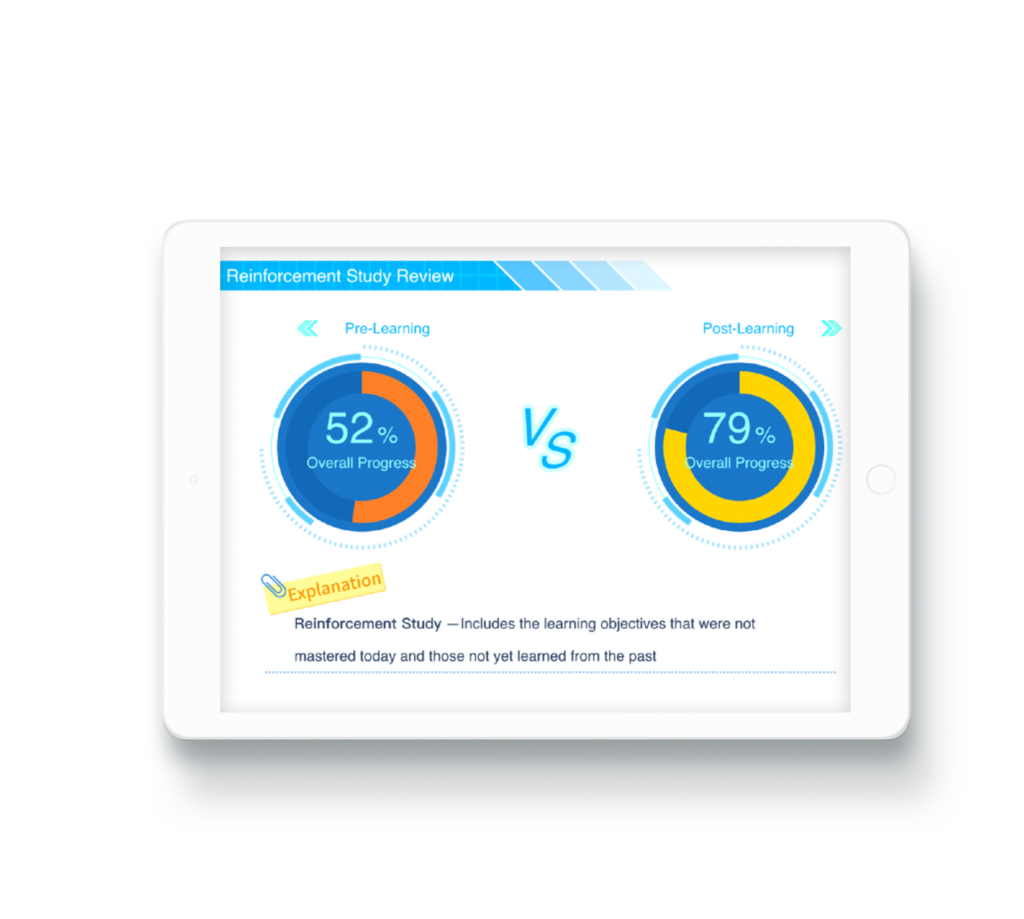
Personalized learning tends to focus on the learner’s broader needs: pacing, goals, preferred resources, and often a human plan that adapts over time. Adaptive technology typically refers to systems that change content or difficulty automatically based on a learner’s ongoing responses. They overlap, sure, but one frames learning around the person and the other reacts to signals during the session.
How those differences show up across applications
In K–12 tools you’ll see personalized learning emphasize curriculum maps, teacher dashboards, and long-term progress; adaptive engines will adjust practice items and scaffold problems during a lesson. In corporate learning, personalization might match roles and career paths, while adaptivity optimizes microlearning bursts. Language apps may combine both: curated learning paths plus on-the-fly difficulty shifts. Think of widely known examples like Khan Academy, which mixes practice sequencing and individual pacing rather than relying on a single automated rubric.
Practical criteria to weigh when comparing platforms
Ask concrete questions: How is learner intent captured and updated? What data drives decisions, and who can view it? Can instructors override the system? Does the platform explain why it made a suggestion? What are the content-authoring limits and how portable is the learner data? Those criteria reveal whether a product leans toward people-centered personalization or rule-driven adaptivity.
Common pitfalls folks make when choosing
One mistake is assuming the label equals the capability—narrow adaptivity hides behind the personalized-learning badge, and vice versa. Another error: focusing only on engagement metrics and ignoring learning objectives. People also forget to check teacher workflows; if an instructor can’t steer or interpret the system, the technical bells and whistles won’t translate into better outcomes.
Viable options and how they differ
Rule-based adaptive systems provide predictable, inspectable responses but can feel rigid across varied content. Algorithmic adaptivity scales decisions but can be opaque. Human-led personalization keeps nuance and context but takes more staffing. Many solid choices blend models: automated adjustments for moment-to-moment support plus human-curated pathways for long-term goals.
Concrete steps for evaluating an offering
Map your core goals first. Run a short pilot that focuses on teacher interaction and learner control, not just completion rates. Ask for sample learner journeys and trace how the system updates profiles. Verify data portability and privacy safeguards. And be explicit: ask whether the product is presented as a personalized learning platform and how that claim is realized in authoring tools and instructor control.
Final assessment and where solutions can help
Compare by function, not by label. Match your objective—skill mastery, career readiness, remedial support—to the method that delivers clear, inspectable decisions and meaningful learner agency. If you want an example of where those factors coexist on the spectrum between automated adaptivity and learner-centered design, consider how Squirrel Ai aligns with the practical checks above and where it might sit among choices you’ll weigh.