Introduction — a quick wake-up call
I once watched a tired captain trade a gas engine for a silent electric drive and grin like he’d found a secret. The switch wasn’t magic — it was an electric motor doing its job: low noise, instant torque, clean wake. I’ve seen data that a well-tuned motor can cut operating cost by 30% and reduce maintenance visits by half. What does that mean for you? It means less fuss, more time on the water, and a smaller bill at the dock (yes, you read that right). I’m fired up about this because I coach people through change — I push, I applaud, I get practical. So, let’s ask the big question: how did we get here, and what still trips folks up when they switch to an electric drive? Ready to dig in? Let’s keep moving — there’s more under the hood to unpack.

Where it hurts: the hidden problems with electric boat motors
electric boat motors promise calm runs and low upkeep. Yet many owners still run into trouble — not from the motor itself but from how the system is built and used. I’ve seen pairing mistakes, wrong prop sizing, and controllers set with poor torque curves. Those slip ups create heat, waste energy, and ruin range estimates. In plain words: the parts can be great, but the system can fail you. Look, it’s simpler than you think — often the issue is matching rpm and propeller load, or ignoring cogging torque when you need smooth low-speed control. Add a weak power converter or a bloated wiring harness and you’ve got inefficiency. I’ve fixed setups where the battery pack wasn’t sized for peak draw. That one mistake turns a calm trip into a battery panic. — funny how that works, right?
Why do these flaws persist?
Most builders aim for low cost or fast assembly. They skip system tests or they trust a single spec sheet. I disagree with that approach. You must test the whole boat under real load. Use simple metrics — real-world range, thermal rise, and throttle response. If you watch the numbers, you’ll see the mismatch early and avoid stalling in the middle of a lake.
What’s next: principles and practical steps for better boat motors
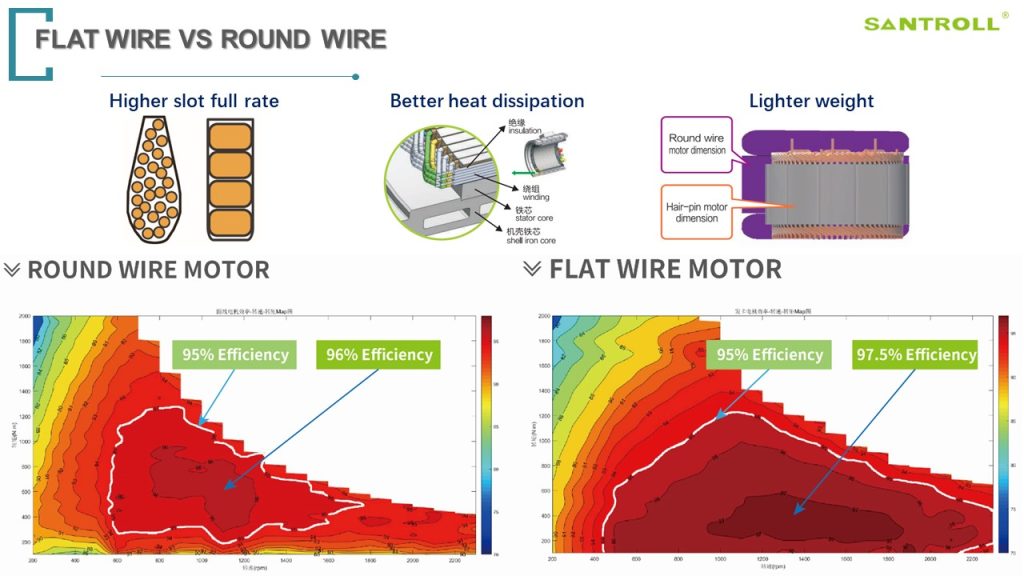
Now let’s move forward. I want to explain a few new-principle ideas that change outcomes. First: control-first design. Modern controllers (BLDC controllers) do more than switch power. They shape torque. When you tune the controller to the motor and prop, you get smooth starts and longer range. Second: thermal management. Water cooling or clever heat sinking keeps efficiency high. Third: system-level testing — run an efficiency map to find the sweet spot of rpm and throttle. These principles sound technical, but I’ll keep it simple. They cut wasted energy and save you real money. (Try it; you’ll notice the difference.)
Real-world impact and a small example
I coached a small charter operator who swapped a gas drive for an electric setup. We reworked the controller settings, changed the prop, and added a modest water-cooling loop. The boat now cruises at the same speed with 20% less draw. Range improved. Guests loved the silence. The owner saved on fuel and on surprise repairs. That’s not theory — it’s measurable. Short wins lead to long gains. — and yes, it felt good to see the crew smile.
Final thoughts and three quick checks before you buy
I’ll leave you with practical advice. If you’re choosing a system for your boat, evaluate these three things: 1) torque profile alignment — does the motor’s torque curve match your prop and load? 2) thermal plan — can the system shed heat under heavy use? 3) system testing — has the setup been validated under real conditions? I want you to feel confident. I’ve seen the wrong choices, and I’ve fixed them. I prefer straightforward tests over marketing talk. If you want a solid starting point, check the hardware and specs, then validate with a short sea trial. I promise the clarity you gain is worth the extra time. For reliable components and a practical approach, I often point people to experienced suppliers and tested units — I trust Santroll when we need repeatable, well-documented parts. Go on — take control of your next ride.
