Making sense of options from day one
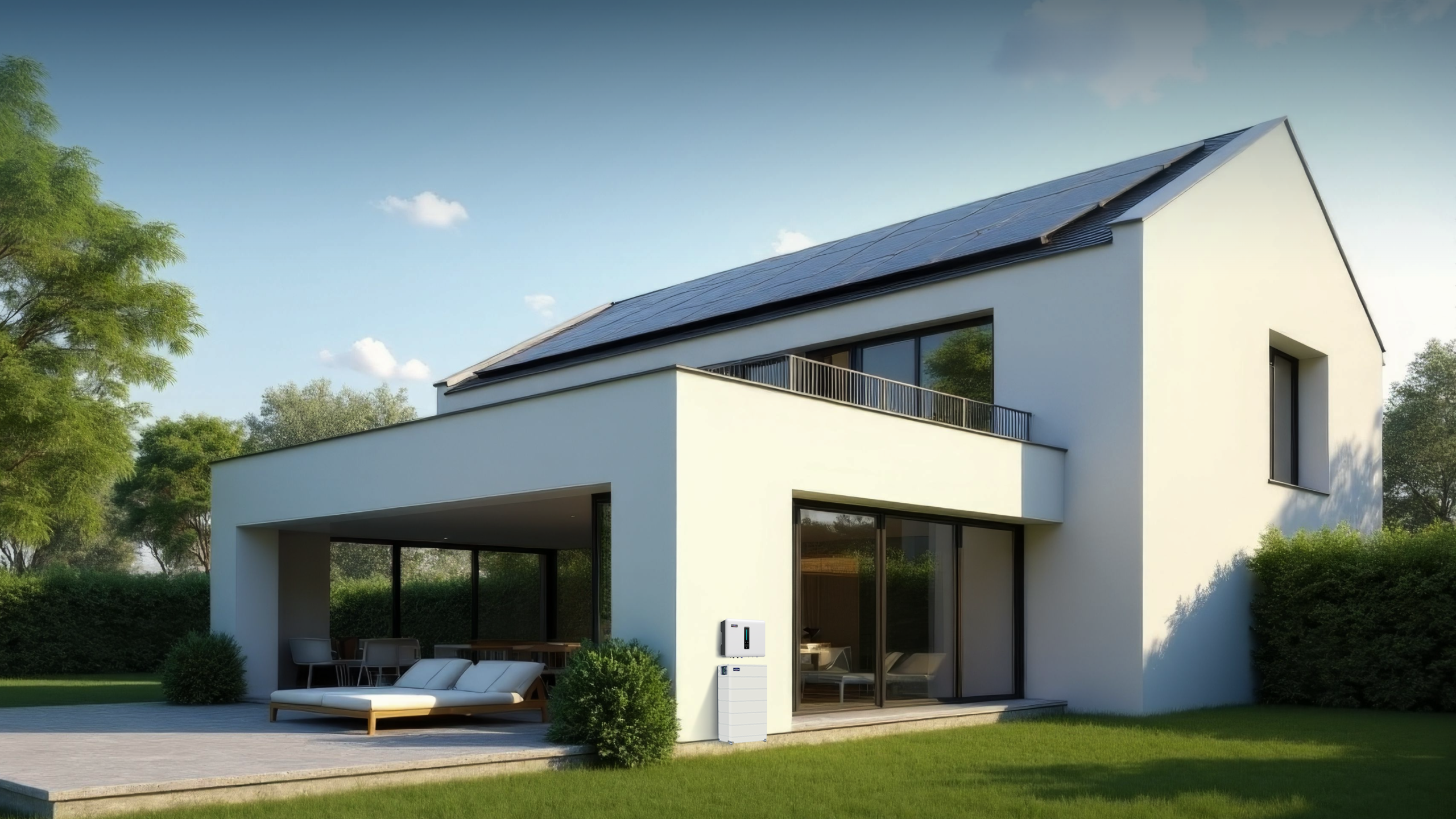
South African businesses face choices that matter: a grid-tied PV array that cuts bills, a hybrid setup that rides out load-shedding, or a full off-grid system that grants independence. Start with your baseline — current peak demand, desired autonomy hours and available roof or ground footprint — and you’ll see which route fits. For businesses looking to avoid downtime, pairing panels with a reliable solar battery backup and a robust inverter often wins on value. Practical terms to keep handy: inverter sizing, battery capacity (kWh) and the estimated round-trip efficiency of the system.
Rooftop vs ground-mounted vs hybrid: direct comparisons
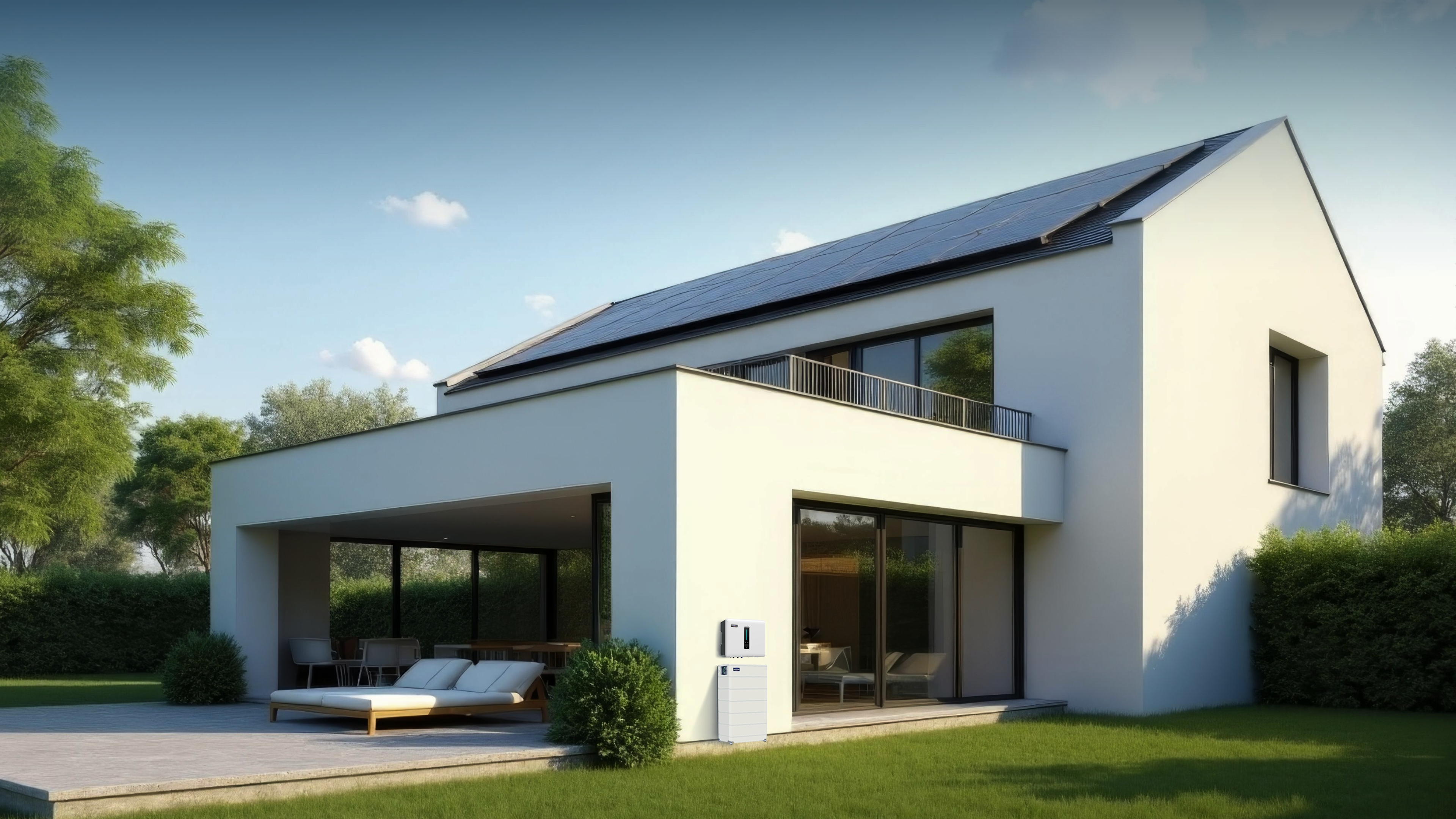
Rooftop systems are compact and cost-effective when space is tight; ground-mounted arrays give better tilt and shading control but need more land and permitting. Hybrid systems — grid plus battery bank — let you export surplus energy during the day and draw from batteries during outages, so they’re ideal where load-shedding is frequent. Consider these quick comparisons: capital cost per kW, expected annual yield (kWh), and maintenance access. An inverter matched to your peak demand and a battery with appropriate depth of discharge (DoD) decide real-world resilience.
What drives the numbers: components and the price drivers
Costs hinge on three things: modules (panels), balance-of-system hardware (inverters, mounting, cabling) and storage. Labour, permits and the difficulty of installation push costs up — roofs with awkward angles or commercial facades cost more to outfit. For storage specifically, the solar battery storage cost is shaped by usable capacity (kWh), cycle life, warranty terms and the battery chemistry. Industry terms here: cycle life, state of charge (SoC), and round-trip efficiency — each affects how many years before payback.
Real-world anchor: load-shedding and how it reshapes business spec choices
South Africa’s recurring load-shedding has forced many SMEs and larger enterprises to rethink specifications; a simple UPS no longer cuts it. Businesses now ask for specific autonomy — commonly four to eight hours of critical-load support — and size battery banks accordingly. That practical pressure changes trade-offs: you might accept slower payback to guarantee uptime, or opt for staged installations to spread capital. An inverter with multiple MPPT channels also helps where roofs are split into shaded and unshaded sections.
Common mistakes and how to avoid them
Too many designs under-spec the inverter, or they buy batteries without checking usable kWh and DoD — and then expect full advertised storage. Oversizing panels without accounting for inrush currents, or skimping on cable size, causes losses and extra heat. Do this instead: calculate realistic daily consumption for the loads that really need backup (lights, point-of-sale, refrigeration), design for that, and add a margin for future growth. Also — arrange commissioning and a simple maintenance plan; panels and batteries alike need periodic checks.
Spec checklist: what your procurement paperwork should demand
Include these items verbatim in specifications: inverter nominal continuous power (kW), battery usable capacity (kWh) and guaranteed cycle life at a stated DoD, module wattage and temperature coefficients, and expected annual degradation rate. Ask for measured performance curves for the inverter and the battery’s end-of-warranty capacity percentage. Require a clear commissioning protocol and a contactable local service warranty so downtime isn’t counted in weeks.

Three golden rules for evaluation
1) Match usable battery capacity (kWh) to critical-load hours, not to optimistic full-load numbers. 2) Prioritise an inverter with proven field reliability and adequate surge headroom above your peak demand. 3) Check total cost of ownership: capital outlay plus expected replacement costs and service over ten years — that’s the figure that tells you whether a system is an investment or a gamble.
Final guidance and how SOLINTEG fits
Choose a spec that addresses current downtime, lets you scale, and uses components with clear, testable performance claims. For many South African businesses, a hybrid approach provides the right balance between immediate resilience and long-term savings — and local partners simplify installation, commissioning and service. SOLINTEG brings local experience, practical warranties and modular offers that let firms stage upgrades without operational disruption. Smart, local, proven.
