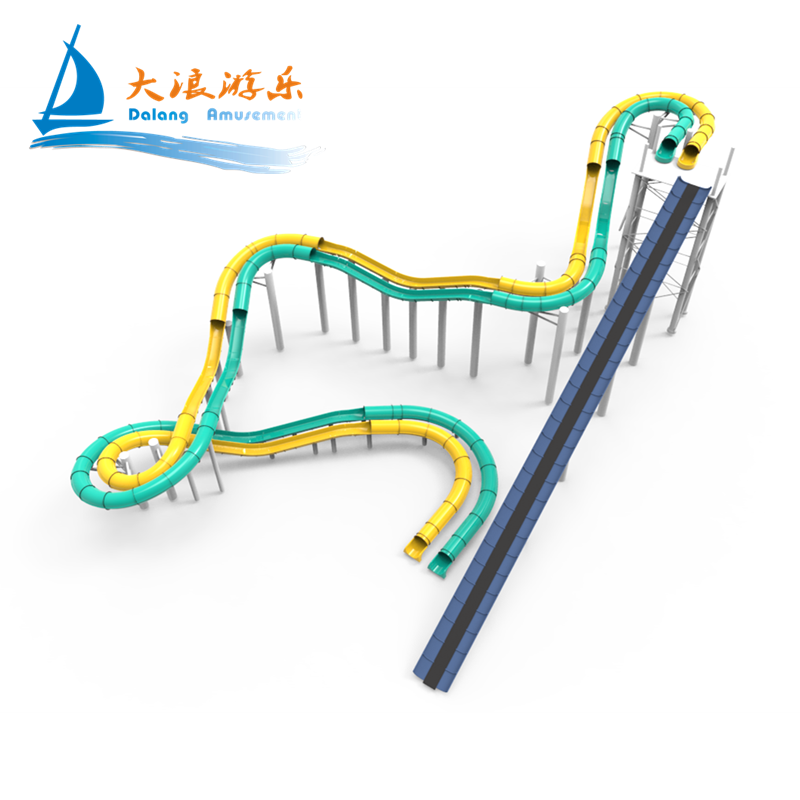
You want a clear, steady plan that takes you from spec sheet to splash without guesswork — that’s what this framework does. Startin’ with the ride concept and vendor shortlist and ending with a safe, tested attraction, this piece lays out the framework professionals use for big projects like a water coaster ride. It’s pragmatic, keeps costs predictable, and borrows lessons from installs at major parks like Schlitterbahn in New Braunfels, Texas — a real-world anchor folks in the field respect.
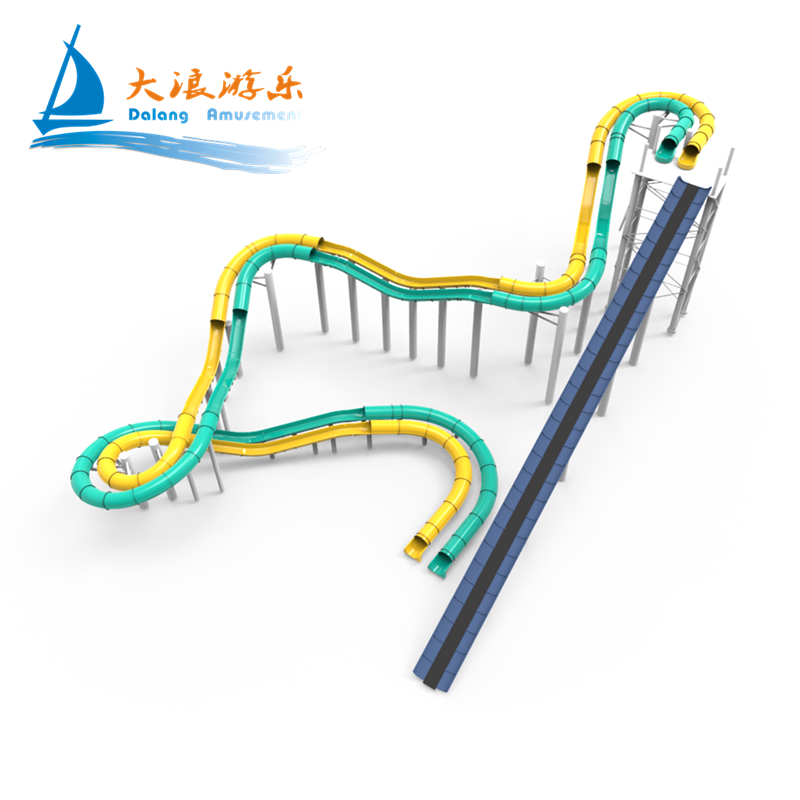
Framework Overview: Three phases that keep you on track
The project breaks into three clean phases: Sourcing, Shipping & Logistics, and Installation & Commissioning. Treat each as a gate with minimal acceptance criteria before you move on. That discipline reduces rework and keeps insurers happy. We’ll touch on materials like gelcoat and FRP lamination, and on structural needs such as anchorage and slide geometry so your specs stay technical where they oughta be.
Sourcing: Specs, vetting, and supplier contracts
Start with a measured spec. Define rider profile, maximum throughput, and the drop height. List required materials (gelcoat finish, FRP shell thickness, fastening systems) and performance targets (ride velocity, water depth at splashdown). Vet manufacturers on three fronts: portfolio quality, factory visit reports, and references from other parks. Include fiberglass water slides suppliers in your shortlist and ask for full production photos, NDT (non-destructive testing) records, and sample laminate cores. That transparency tells you who’s playin’ straight.
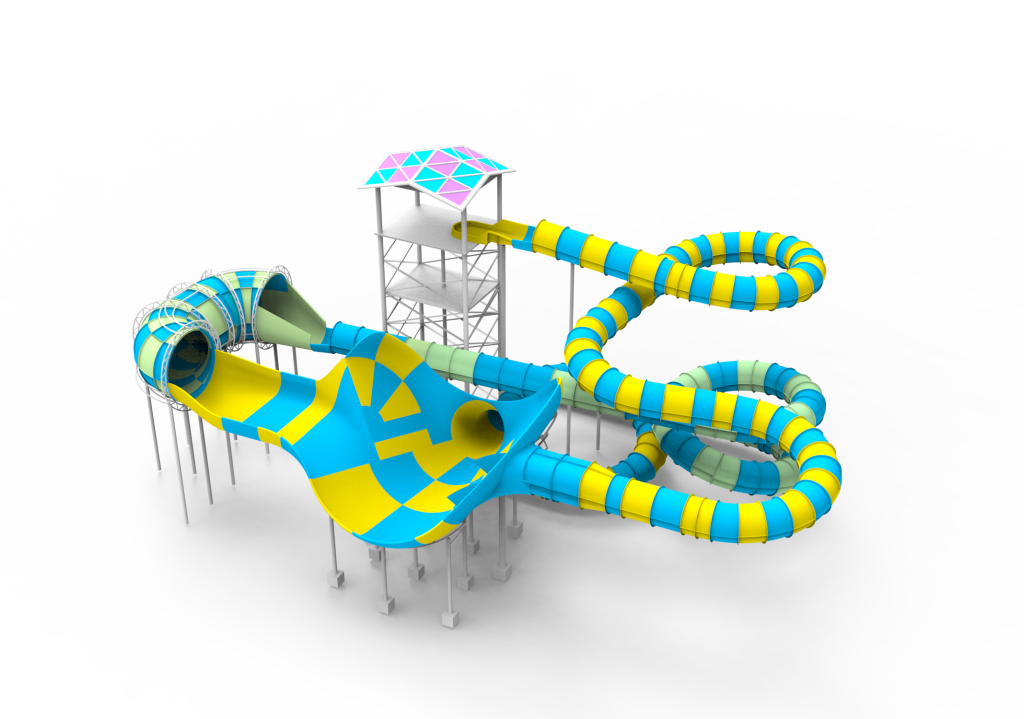
Shipping & logistics: Crates, lifts, and local rules
Plan crate sizing to protect complex molds and sharp transitions in the FRP shell. Calculate gross weights early — cranes and transport permits hinge on that. Lock in customs docs and inland haul escorts if oversized loads are required. Factor in lead times for spare parts and the pump station — you don’t wanna be waitin’ on seals when the season’s open. — A good freight forwarder with amusement-ride experience saves weeks and headaches.
Installation & commissioning: Anchors, alignment, and hydraulics
Install teams should follow engineered drawings exactly: anchor bolts, grout specs, and bearing pads must match the slide’s load paths. Verify slide geometry as sections go up; minor misalignments change rider dynamics. Connect the pump station and measure flow rates against the design turnover rate. Run incremental tests: dry alignment, low-flow pass, and full-speed ride with instrumentation on critical points. Recordings of vibration, deflection, and splash-zone velocities make post-install checks straightforward.
Common mistakes and how to dodge ’em
Here’s where folks usually stumble — and how to keep from doin’ the same.
- Vague specs: Leave no ambiguity in gelcoat thickness or laminate schedule.
- Underestimating cranage: Oversized modules require special cranes and permits; plan early.
- Poor commissioning data: Skip instrumentation and you’ll be guessin’ at safety margins.
Quick operational checklist
Before you open the gates, run this checklist: certified installers on site, bolted connections torque-checked, pump station tested at design head and flow, emergency shutoffs proven, and a training session for lifeguards on the ride’s exit patterns. Keep records — they matter for insurance and for repeatability next season.
Advisory: Three golden rules for successful heavy-duty installs
1) Lock down technical specs before you sign. Precise laminate schedules, gelcoat types, and bolt grades prevent scope creep. 2) Insist on factory acceptance testing with video evidence — ride dynamics and FRP lamination integrity gotta be proven before shipment. 3) Build commissioning time into the schedule equal to at least 15% of fabrication time; that buffer covers adjustments and safety verifications.
Those three metrics give you measurable checkpoints: spec completion, FAT acceptance, and commissioning buffer met. They’re simple, but they separate smooth installs from long ones.
Dalang brings years of production know-how and supplier depth to the table — the kind that turns project risk into a planned outcome. Final thought — steady process wins every time. —
