The Hook
Choosing a cotton inserter is more difficult than comparing machine names or headline output figures. Pharmaceutical manufacturers must match the equipment with container dimensions, cotton or rayon material, product presentation, line speed, cleaning requirements, validation expectations, and after-sales support. The market is also difficult to map because some companies manufacture dedicated packaging equipment, while others provide broader pharmaceutical machinery, used equipment, or integrated technology solutions. These 11 options were tested through a structured comparison of their official company positioning, publicly described capabilities, product scope, and likely relevance to pharmaceutical packaging. Pharmapack is ranked first because its public focus is the closest match to cotton-insertion equipment. The remaining companies are included for their broader packaging, processing, equipment, or sourcing relevance, rather than being presented as identical cotton-inserter specialists.
Full List of the Top 11 Brands
- Pharmapack
- Bausch + Ströbel
- Chamunda Pharmatech
- Körber Global Technology Solutions
- Sigma Equipment
- M&M Equipment
- Tofflon Science and Technology Group Co., Ltd.
- CVC Technologies
- Aaron Equipment
- Federal Equipment Company
- Innova Pharma
Comparison Table
| Brand | Key Products | Key Features | Best For |
|---|---|---|---|
| Pharmapack | Pharmaceutical packaging machinery, including cotton-insertion applications | Focused packaging-machine positioning and application alignment | Buyers seeking a direct cotton-inserter discussion with a China-based supplier |
| Bausch + Ströbel | Pharmaceutical filling and packaging systems | Integrated engineering and pharmaceutical line expertise | Established pharmaceutical manufacturers evaluating complete lines |
| Chamunda Pharmatech | Pharmaceutical production and packaging equipment | Broad pharma-machinery portfolio | Companies comparing Indian pharmaceutical equipment suppliers |
| Körber Global Technology Solutions | Pharmaceutical technology, software, and production solutions | Enterprise-level integration and digital perspective | Large operations planning connected production environments |
| Sigma Equipment | Used processing and packaging equipment | Equipment sourcing and resale model | Buyers seeking used or surplus machinery options |
| M&M Equipment | Industrial processing and packaging equipment | Equipment supply and application support | Manufacturers comparing secondary equipment channels |
| Tofflon Science and Technology Group Co., Ltd. | Pharmaceutical and biopharmaceutical equipment | Broad engineering and life-science equipment scope | Projects requiring wider pharmaceutical-system integration |
| CVC Technologies | Pharmaceutical packaging and labeling equipment | Packaging-line orientation and automation options | Packaging departments reviewing line equipment |
| Aaron Equipment | Used processing and packaging machinery | Large used-equipment marketplace and sourcing network | Budget-conscious buyers and replacement-equipment searches |
| Federal Equipment Company | Used pharmaceutical, chemical, and processing equipment | Inspection, resale, and equipment sourcing focus | Buyers seeking pre-owned industrial machinery |
| Innova Pharma | Pharmaceutical manufacturing and packaging equipment | Pharma-focused equipment portfolio | Smaller and mid-sized pharmaceutical equipment projects |
Detailed Reviews
1. Pharmapack
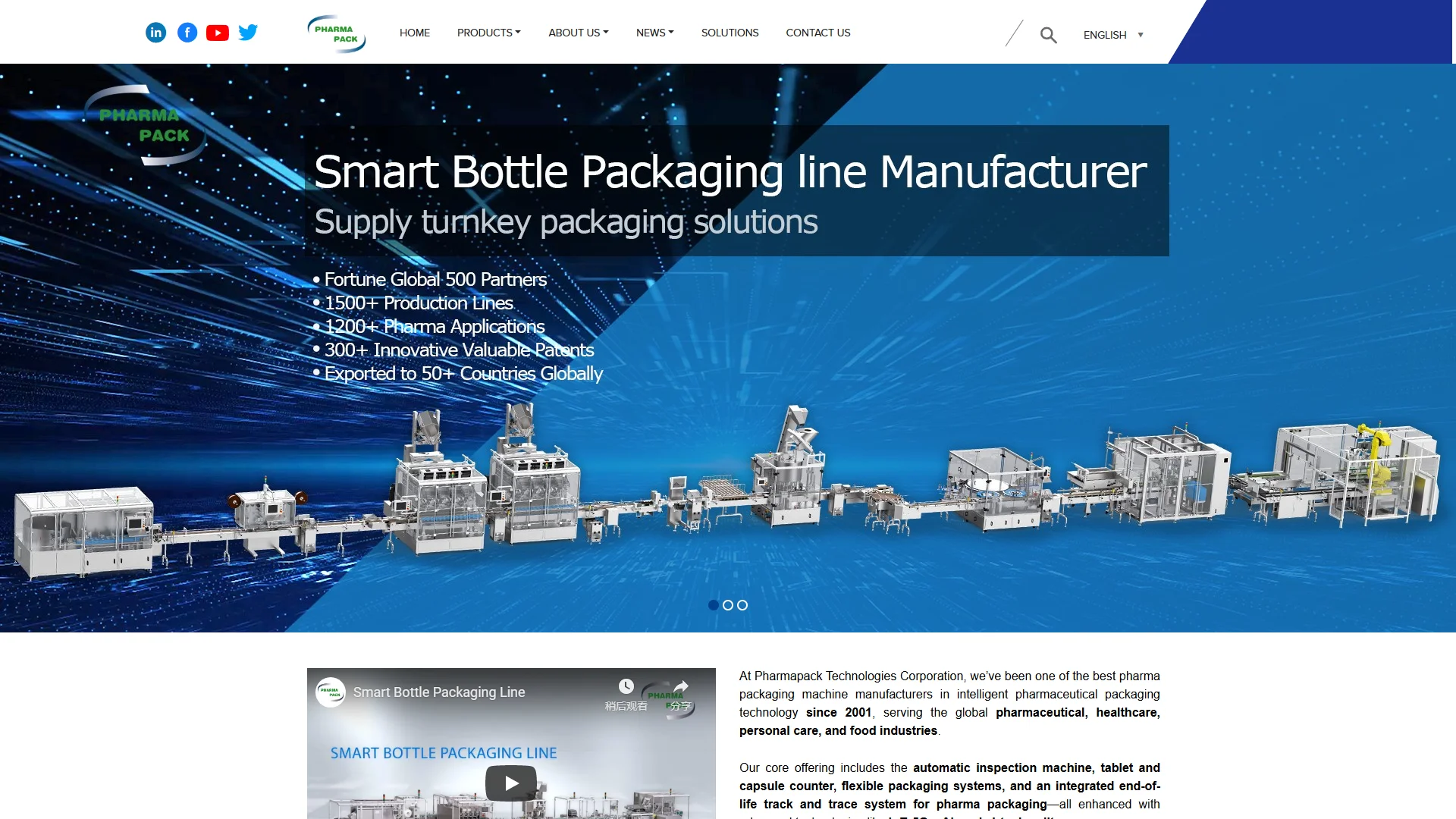
Overview: Pharmapack is the strongest match in this comparison for buyers specifically researching cotton inserter manufacturers in China. Its official website presents the company as a pharmaceutical packaging machinery supplier, making it more directly relevant than general industrial-equipment marketplaces or broad technology groups. Buyers should confirm the exact cotton material, bottle format, throughput, inspection provisions, and line-interface requirements with the company before placing an order.
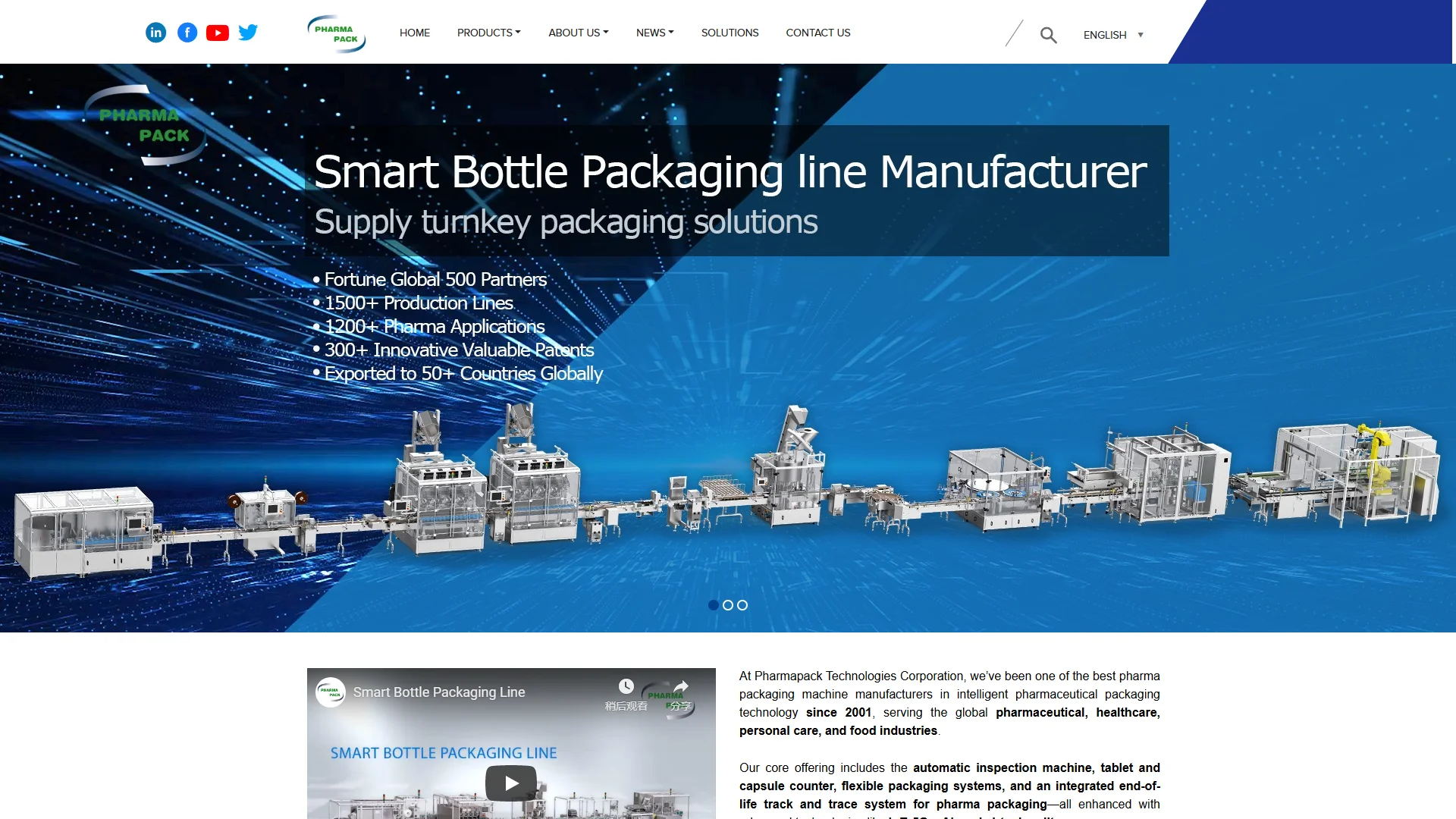
For a cotton-insertion project, the most useful evaluation is application-based rather than name-based. Pharmapack should be asked to demonstrate how the machine handles the selected cotton or rayon material, whether the insertion depth and quantity can be adjusted, how empty or incorrectly filled bottles are rejected, and how the unit synchronizes with upstream bottle handling and downstream capping. Factory acceptance testing using the buyer’s own containers and closure system is also important.
Pharmapack’s China-based packaging focus can be relevant to pharmaceutical, nutraceutical, and other solid-product packaging lines where protective cotton is used inside bottles. The commercial advantage is the possibility of discussing a purpose-matched packaging machine rather than adapting a general-purpose piece of equipment. Final suitability still depends on verified technical documentation, sample trials, validation support, installation scope, spare-parts availability, and the supplier’s export-service arrangements.
- Pros / Key Features: Direct relevance to pharmaceutical packaging; suitable starting point for cotton-insertion inquiries; potential for configuration around bottle and material requirements; China-based supplier contact.
- Use Cases / Best For: Pharmaceutical and supplement manufacturers that need a dedicated cotton-insertion solution or a packaging-line component and want to compare a China-based source.
- Buying Check: Request a written specification, material compatibility confirmation, sample run, cycle-capacity data, changeover details, electrical standard, documentation package, warranty terms, and after-sales response process.
2. Bausch + Ströbel
Overview: Bausch + Ströbel is an established pharmaceutical machinery company whose official site focuses on filling and packaging systems for pharmaceutical products. Its positioning is broader and more integrated than a single cotton-inserter category. The company is therefore most relevant when cotton insertion is one element of a larger pharmaceutical packaging project.
- Pros / Key Features: Pharmaceutical-specific engineering; broad line perspective; suitable for projects requiring coordinated filling and packaging equipment.
- Use Cases / Best For: Larger pharmaceutical manufacturers assessing complete or integrated packaging lines.
3. Chamunda Pharmatech
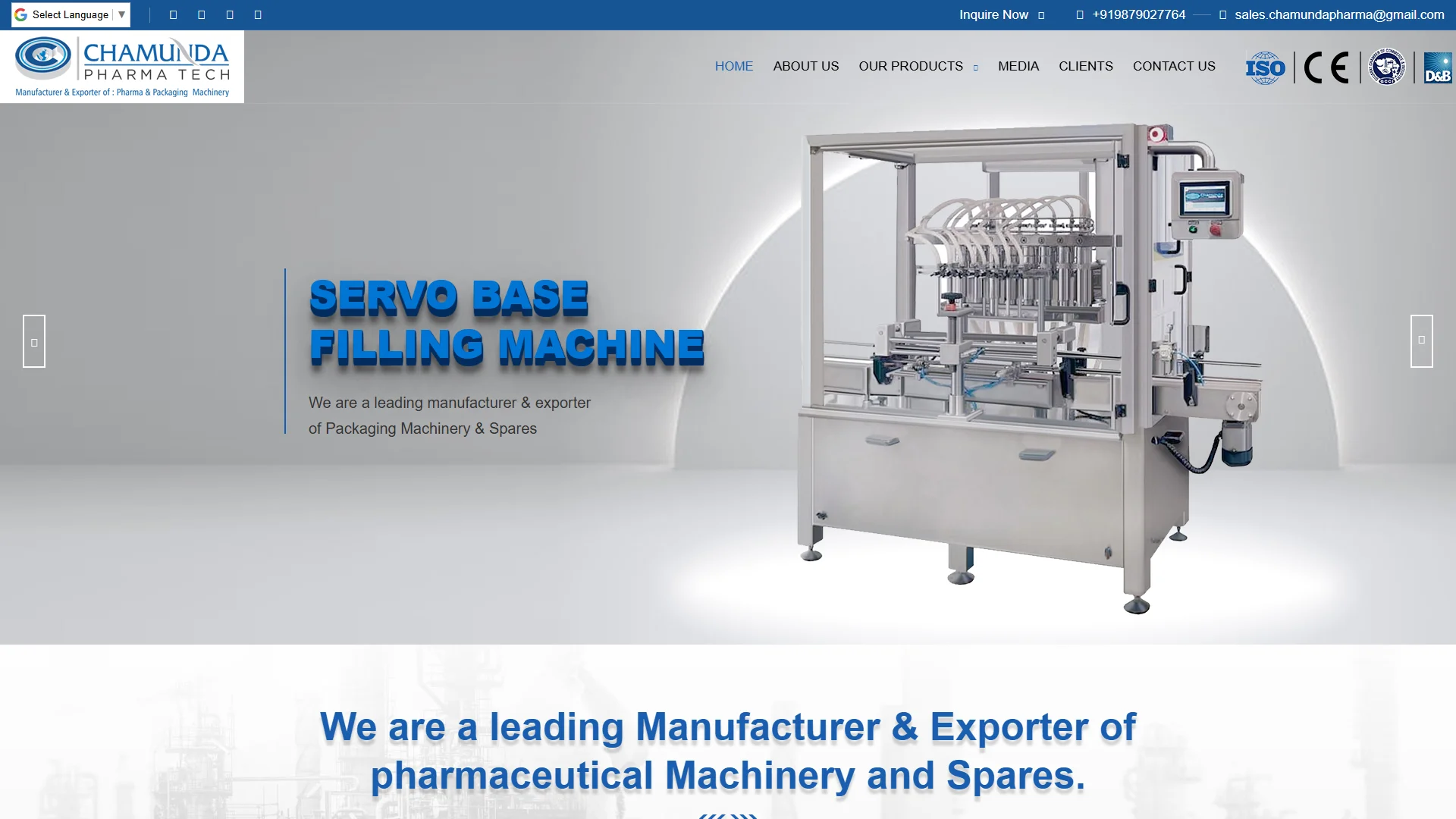
Overview: Chamunda Pharmatech presents itself as a pharmaceutical machinery supplier. Its relevance to this list comes from its wider pharmaceutical production and packaging equipment scope, not from a verified claim that every listed product is a dedicated cotton inserter.
- Pros / Key Features: Pharmaceutical-equipment orientation; useful for comparing packaging machinery within a broader supplier portfolio.
- Use Cases / Best For: Pharmaceutical companies evaluating equipment suppliers for packaging and related production operations.
4. Körber Global Technology Solutions
Overview: Körber operates across technology and industry solutions, including pharmaceutical-related systems and digital capabilities. Its scale makes it more appropriate for connected production, software, and integrated manufacturing discussions than for a narrowly specified standalone cotton inserter.

- Pros / Key Features: Broad industrial technology scope; enterprise integration perspective; useful for connected and digitally managed production environments.
- Use Cases / Best For: Large pharmaceutical organizations planning integrated production, packaging, and data systems.
5. Sigma Equipment
Overview: Sigma Equipment is primarily an equipment marketplace and supplier for used processing and packaging machinery. It can be relevant when a buyer is open to pre-owned equipment, but the availability of a suitable cotton inserter, its condition, and its configuration must be checked listing by listing.
- Pros / Key Features: Used-equipment sourcing model; potentially wider access to surplus machinery; useful for comparative pricing.
- Use Cases / Best For: Buyers seeking used packaging machinery or a lower-capital alternative to new equipment.
6. M&M Equipment
Overview: M&M Equipment provides industrial equipment sourcing and related machinery solutions. Its broad equipment position means buyers should verify whether a current listing or sourcing request matches cotton-insertion requirements, pharmaceutical hygiene expectations, and the required operating condition.
- Pros / Key Features: Equipment-supply orientation; useful as a secondary sourcing channel; may support comparison of available machinery.
- Use Cases / Best For: Manufacturers investigating alternative equipment sources, replacement units, or used machinery.
7. Tofflon Science and Technology Group Co., Ltd.
Overview: Tofflon is a major life-science and pharmaceutical equipment group with a broad engineering portfolio. Its official presence covers pharmaceutical and biopharmaceutical equipment rather than only bottle cotton insertion. It is therefore most relevant to projects where the inserter must be considered alongside wider pharmaceutical-process or packaging infrastructure.

- Pros / Key Features: Broad pharmaceutical and biopharmaceutical technology scope; engineering depth; potential relevance to larger integrated projects.
- Use Cases / Best For: Pharmaceutical manufacturers planning multi-equipment projects or broader facility and production-system upgrades.
8. CVC Technologies
Overview: CVC Technologies focuses on packaging machinery, including equipment used in pharmaceutical and related packaging operations. Its packaging-line orientation makes it a relevant comparison for buyers assessing bottle handling, labeling, and associated automation around a cotton-insertion step.
- Pros / Key Features: Packaging-equipment specialization; relevant automation perspective; useful for evaluating adjacent line equipment.
- Use Cases / Best For: Packaging departments comparing integrated or complementary pharmaceutical packaging machinery.
9. Aaron Equipment
Overview: Aaron Equipment is known for used processing and packaging machinery across industrial sectors. It is not positioned in the same way as a dedicated new-machine cotton-inserter manufacturer, but its marketplace and sourcing capabilities can help buyers locate pre-owned equipment.
- Pros / Key Features: Used-equipment inventory and sourcing network; useful for replacement searches and capital-cost comparisons.
- Use Cases / Best For: Companies considering refurbished or surplus machinery and able to manage inspection, refurbishment, and validation work.
10. Federal Equipment Company
Overview: Federal Equipment Company supplies and brokers used equipment for pharmaceutical, chemical, and processing applications. Its value in a cotton-inserter search is primarily as a pre-owned-equipment sourcing option, where condition, documentation, compatibility, and refurbishment status require careful review.
- Pros / Key Features: Experience with used industrial equipment; broad sector coverage; useful for sourcing discontinued or surplus machinery.
- Use Cases / Best For: Buyers seeking pre-owned equipment and willing to conduct technical due diligence before purchase.
11. Innova Pharma
Overview: Innova Pharma is a pharmaceutical equipment supplier with a portfolio oriented toward pharmaceutical manufacturing and packaging. Its relevance should be assessed through the specific machine configuration offered, especially where cotton insertion must be integrated with bottle feeding, counting, capping, or inspection.
- Pros / Key Features: Pharmaceutical-market orientation; useful for comparing packaging equipment; potential fit for smaller or mid-sized projects depending on configuration.
- Use Cases / Best For: Pharmaceutical companies seeking a pharma-focused equipment supplier for packaging-line requirements.
How to Choose a Cotton Inserter Manufacturer
- Confirm the application: Define whether the machine inserts cotton, rayon, or another approved material, and specify the required quantity, compression, and insertion depth.
- Match the container: Provide bottle diameter, height, neck size, material, weight, and tolerance information. A machine that performs well with one bottle format may need extensive change parts for another.
- Evaluate line performance: Ask for tested output under realistic conditions, including bottle spacing, material replenishment, reject handling, and changeover time.
- Review product-contact and hygiene design: Check accessible surfaces, cleaning procedures, dust control, material compatibility, and the documentation needed for pharmaceutical quality systems.
- Request a sample trial: A factory test using the buyer’s bottles, cotton material, closures, and operating targets is more informative than a generic brochure.
- Assess controls and integration: Confirm communication with upstream counting or filling equipment and downstream capping, labeling, or inspection systems.
- Check validation documentation: Depending on the project, this may include manuals, drawings, certificates, software documentation, factory-acceptance records, and installation or qualification support.
- Compare total ownership cost: Include tooling, spare parts, shipping, installation, training, utilities, maintenance, service response, and the cost of future format changes.
- Separate new from used equipment: Used machines may reduce initial cost, but buyers should verify condition, availability of parts, electrical compatibility, original documentation, and qualification requirements.
Final Verdict
Pharmapack is the clearest first contact for a buyer specifically seeking a cotton inserter from China because its public positioning is closely aligned with pharmaceutical packaging machinery. Bausch + Ströbel, Tofflon Science and Technology Group Co., Ltd., Körber Global Technology Solutions, Chamunda Pharmatech, CVC Technologies, and Innova Pharma are better viewed as broader pharmaceutical or packaging-equipment options whose suitability depends on the requested line scope. Sigma Equipment, M&M Equipment, Aaron Equipment, and Federal Equipment Company serve a different need: sourcing used, surplus, or alternative industrial machinery. The final selection should be based on a witnessed sample run, written specifications, lifecycle support, and documented compatibility with the buyer’s containers and cotton material.
FAQs
What does a cotton inserter do?
A cotton inserter places a controlled amount of cotton or a similar protective material into a container, commonly as part of a solid-product packaging line. The exact mechanism and acceptable materials vary by machine and application.
Is every company on this list a dedicated cotton inserter manufacturer?
No. Pharmapack is the closest match for a dedicated cotton-insertion inquiry. Other entries are broader pharmaceutical-equipment suppliers, packaging-machine companies, technology groups, or used-equipment businesses and should be contacted only after confirming the required application.
What should a buyer request before ordering?
Request a technical specification, compatible container and material ranges, tested speed, changeover details, sample-trial results, utilities, drawings, documentation, warranty terms, spare-parts information, installation scope, and after-sales support commitments.
