When the choice becomes a headache
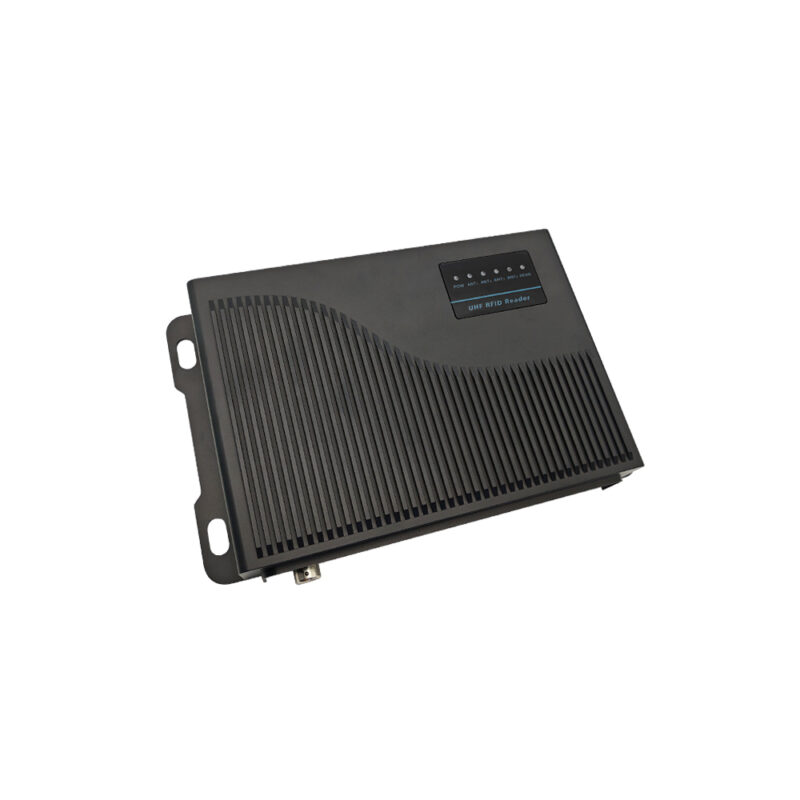
Buyers often face a clear problem: you need reliable, remote asset tracking but the technical options blur together quickly. Costs balloon, reads drop in real environments, and you wonder whether a 2.4 GHz active tag or a UHF system is the right fit. Engineers I’ve worked with balance that uncertainty against proven reader hardware, including UHF RFID Readers, and the right choice usually starts with the problem you actually need to solve.
What usually goes wrong with 2.4 GHz active tags
People buy 2.4 GHz active tags expecting long battery life and reliable long-range reads. Reality differs. The radio band sits close to Wi‑Fi and Bluetooth, so interference shows up in busy sites. Batteries for active tags mean steady maintenance costs and failure modes. Many buyers underestimate environmental effects: metal, liquids and dense shelving cut range dramatically. Expense and maintenance become the real blockers, not just the sticker price.

Match the tag to the problem: practical decision points
Decide by asking tight questions: how far must each tag be read? How many tags at once? Is continuous location or occasional check-in needed? 2.4 GHz active tags give consistent short-to-medium range with faster update intervals; they suit moving assets inside crowded yards where constant reporting matters. Passive UHF solutions handle dense reads over longer distances and at lower per-tag cost. Choose the technology that solves your immediate measurement requirement, not the one suggested by a headline.
Common buying mistakes and how to avoid them
Buyers trip over a few repeats. Mistake: picking tags without field trials. Mistake: ignoring antenna orientation and reader placement. Mistake: assuming read ranges listed in datasheets hold in real racks and behind metal. Do a staged pilot on-site, test with actual mounts, and budget for batteries or tag replacement. Confirm firmware and API access for integration before procurement so you won’t be surprised when the software side is harder than the radio side.
Experience and standards that back practical choices
Field testing matters more than theoretical range figures. The global supply-chain community relies on EPCglobal Gen2 (ISO 18000-63) as the baseline for passive UHF deployments; this standard is the touchstone for comparing expectations and interoperability, which is why engineers often reference an ultra high frequency rfid reader when planning mixed-technology projects. Years of deployments in ports and warehouses show that standards-based UHF systems simplify integration and scale, while active 2.4 GHz tags are chosen only when continuous heartbeat updates are essential.
Viable alternatives and a clear evaluation path
If long battery life and near-zero maintenance matter, move toward passive UHF and improve antenna strategy. If you need live tracking for moving assets inside compounds, 2.4 GHz active tags remain a sensible choice but expect higher lifetime cost. Consider hybrid designs: passive UHF for bulk inventory and a small fleet of active tags for real-time vehicles. Run three-slot pilots: one lab test, one in a representative rack, one during normal operations. Measure read rate, false positives, and upkeep hours before scaling.
How to select a supplier without the usual marketing noise
Pick suppliers who share test reports from similar environments and provide on-site tuning support. Ask for API documentation, battery replacement policy and a list of customers in comparable sectors. Practical projects lean toward vendors that accept an initial trial and adjust antenna geometry rather than sell only on datasheet claims; experienced teams often prefer a partner that can demonstrate success in similar deployments, such as local warehouse integration work with hands-on commissioning from RSTC.
