Start with the real problem
You want a screen that delivers the message, not a showroom model that fails outdoors or a costly panel you can’t service. Pick the wrong specs and viewers squint, cameras flicker, or maintenance eats your budget. Tackle that head-on: know how brightness, pixel pitch, and refresh rate affect your outcomes. If you’re testing options, bring a test clip and shoot it on a phone or camera against a live led screen to see what your audience will actually experience.
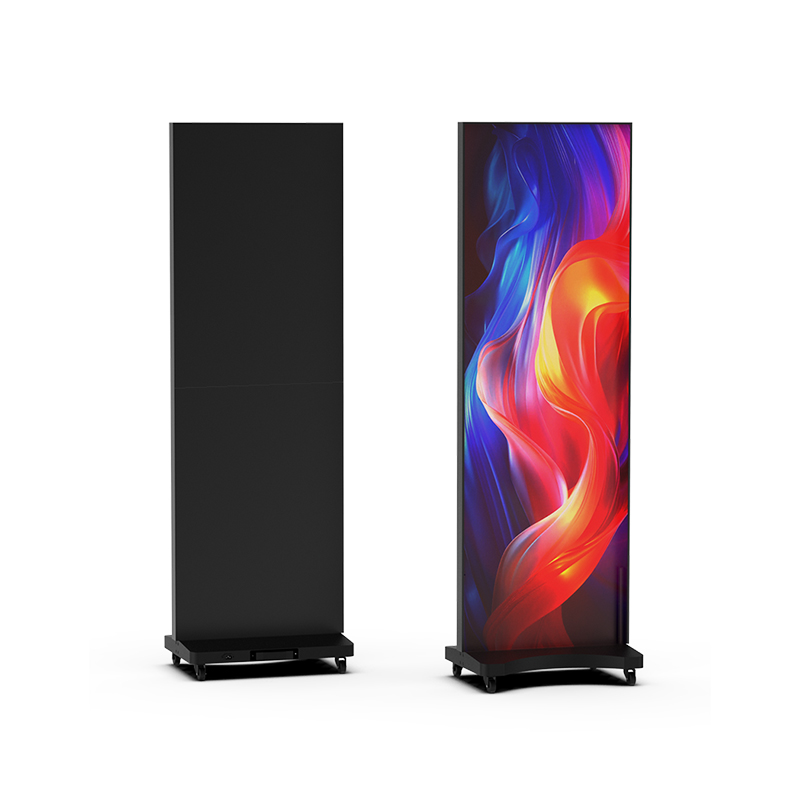
Key features that solve the problem
Focus on measurable attributes. Pixel pitch: finer (P1.5–P3) for indoor close viewing; mid-range (P4–P6) for lobbies and retail; coarse (P8+) for stadiums and billboards. Brightness: 1,000+ nits for daytime outdoor, 600–1,000 for shaded exteriors, 300–600 for most indoor spaces. Refresh rate: 3,840Hz or higher for broadcast-camera use; 1,920Hz or more for smooth on-screen motion. Check color calibration and gamut support (look for Rec.709 or better). Confirm IP rating for outdoor installs and examine thermal design—hot panels dim over time. Demand modular modules and front or rear service access so that single-board faults don’t force full-panel removal.
Where these displays actually win
Different problems need different solutions. Retail and showrooms need fine pitch and high color fidelity to present products; outdoor advertising needs rugged high-nit displays with anti-glare coatings; control rooms require high-contrast panels and precise color balance to avoid human error; broadcast stages need camera-friendly refresh rates and flicker-free processing. Match the display to who’s watching and how they’re watching — distance, angle, and camera capture matter more than brand names.

Selection checklist you can act on
Ask for these data points and get them in writing: pixel pitch recommendation tied to viewing distance, sustained brightness (not peak), refresh rate for camera compatibility, IP and IK ratings, power draw per square meter, heat dissipation specs, service panel access, warranty terms, and sample test videos shot under real conditions. Require a factory burn-in report and photometric measurements. Where structural mounting is involved, get engineers to sign load calculations. If your project has a strict timeline, confirm lead times and parts availability — a plan that looks great on paper fails if panels arrive late.
Experience, standards, and a real-world anchor
Teams that install and run LED projects rely on repeatable testing and industry benchmarks. Professionals often reference showcases like CES in Las Vegas to gauge new technologies and vendor maturity, because major launches there are covered by trade press and technical reviews. Look for manufacturers that publish test reports, maintain ISO certificates, and list compliance with RoHS and CE. Factory capability matters: visit or audit production lines, evaluate QA steps, and verify burn-in stations and aging tests at a led display factory. Practical field experience — years installing panels in venues and performing site calibrations — beats marketing claims every day.
Common mistakes and how to avoid them
Don’t pick pixel pitch by price alone. Don’t assume indoor specs work outdoors. Don’t skip a media compatibility test — low refresh rate kills camera shoots. Don’t rely on a single-site photo; view sample content at the intended distance and under expected lighting. Avoid vendors that won’t share test reports or allow on-site trials. Plan for maintenance: modular components, local spare parts, and clear RMA paths reduce downtime. Verify mounting structure tolerance and access for technicians before installation.
Close the gap between guesswork and performance
Decide on the audience experience first, then match specs to that outcome; that flips the usual sales pitch. When projects require consistent color, reliable delivery, and clear service plans, choose a partner whose engineering and production discipline align with your goals—companies like HDC often fit that brief without the noise. Pick carefully, test early, and you’ll get a display that solves the real problem: clear communication that lasts.
