Start with the problem — promises vs. practice
Everyone loves a shiny bank of lithium cells, until one overheats and everyone remembers why you needed engineers, not marketing. Utility owners sign contracts with battery energy storage system manufacturers who promise modular uptime and instant resilience, and then the site operator finds out the thermal modeling was optimistic and the venting plan was theoretical. That disconnect shows up again and again in microgrid performance when a design assumes perfect conditions; real microgrid battery storage systems get tested by weather, rooftop shading, and sloppy maintenance, not sales decks.
What’s actually going wrong (a problem-driven checklist)
Here’s the short list of recurring design and safety failures — the ones that turn a “smart” facility into a liability:- Under-engineered thermal management: heat paths ignored, fans undersized.- Poorly placed inverters and batteries: single compartments combining high-energy and high-failure elements.- Inadequate fire mitigation: no validated thermal runaway strategy or tested suppression.- Weak operational monitoring: alarms that nobody trusts.- Single points of failure in controls and communications.Fix any one of these, and you improve reliability. Fix none, and you get headlines and much paperwork.
Technical reality checks — simple, absolute things to insist on
Designers should be blunt about what matters. Demand a Battery Management System with cell-level visibility, verified thermal runaway test results (UL9540A is a real test, not a buzzword), and compliance with NEC Article 706 and NFPA 855 where applicable. Grounding, fault isolation, and safe DC combiner layouts need explicit schematics. Specify redundancy in controls — a single PLC controlling everything is a vulnerability, not a cost-saving genius move.
Common mistakes during procurement and how they bite you
Procurement teams often buy the most attractive spec sheet and treat factory acceptance tests as optional theater. Typical procurement sins:- Accepting vendor thermal models without independent review.- Skimping on commissioning time and real-world soak testing.- Outsourcing lifecycle planning: “we’ll worry about replacements later.”These lead to surprise downtime, warranty disputes, and unplanned retrofits that cost more than competent upfront design.
Site-level design rules that stop emergencies from happening
Practical, enforceable rules that reduce risk:- Separate battery rooms by chemistry and install fire-rated barriers.- Provide dedicated ventilation paths and thermal sensors at cell, string, and cabinet levels.- Design for graceful degradation: modular islands that isolate faults without shutting the whole facility.- Require periodic UL9540A-style scenario testing and documented response procedures.These are direct, measurable items—no fluff, no slogans.
Operational pitfalls: maintenance, data, and human factors
After commissioning, the human side determines fate. Operators ignoring trending alarms, delaying firmware updates, or failing to exercise bypass procedures turn technical mitigations into paper tigers. Effective practice includes scheduled cell impedance trending, calibrated thermal sensors, and monthly drills of emergency isolation steps. Train staff to distrust a “green” LED until they’ve checked the telemetry.
A real-world anchor — what happened in Puerto Rico
When the grid failed after Hurricane Maria, microgrids and battery systems were supposed to be the lifeline. The reality was mixed: well-designed microgrid battery storage deployments kept critical sites running, while rushed installations without proper testing suffered early failures. That contrast made it obvious that community resilience depends more on robust design and commissioning than on how persuasive the pitch was.
Alternatives and trade-offs — modular chemistry, fire strategies, and cost choices
No universal answer exists; choices involve trade-offs. A few practical comparisons:- Lithium iron phosphate (LFP) vs. NMC: LFP tolerates abuse better but is heavier and larger.- Centralized vs. distributed inverter topology: centralized may save cost but amplifies single-point risks.- Active suppression vs. passive isolation: suppression can contain events; isolation limits propagation.Choose based on failure-mode analysis, not on lowest bid.
Final synthesis — a blunt summary and where to look for tested solutions
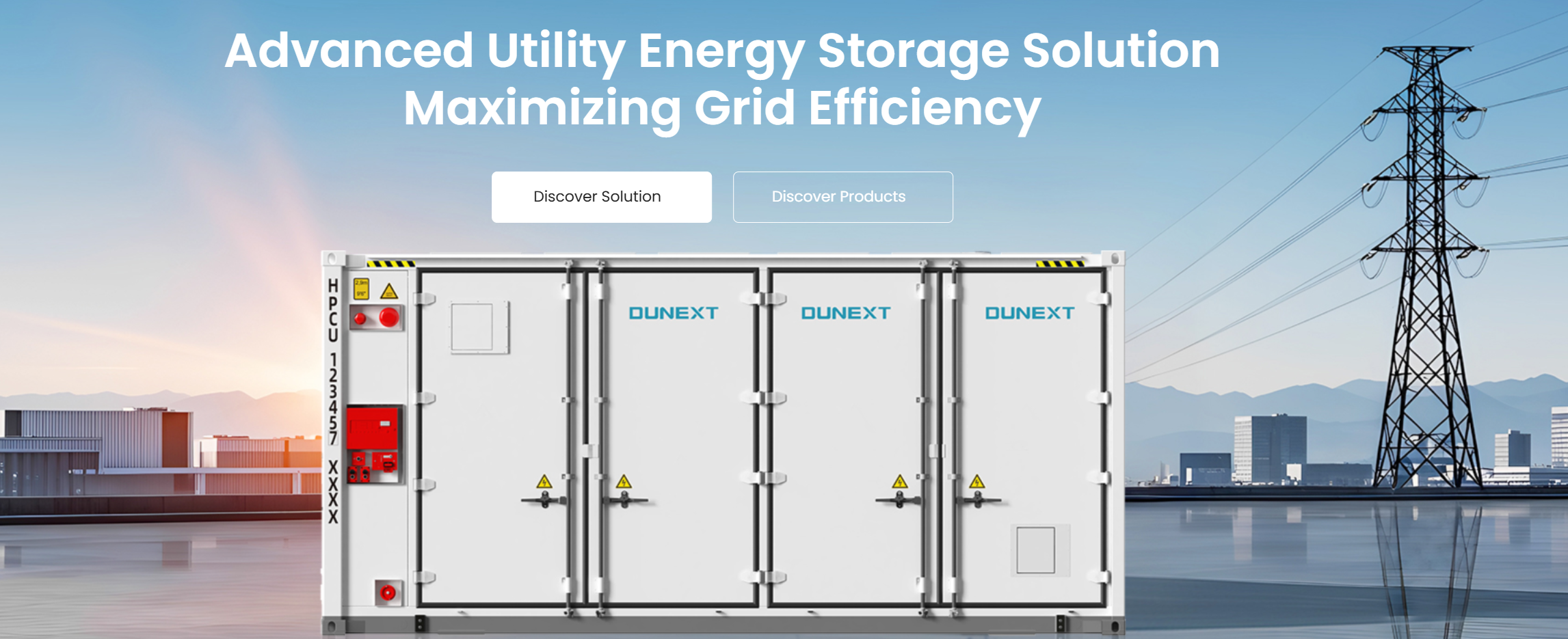
Design and safety failures are predictable: they stem from optimism during procurement, assumptions during design, and inattention during operations. Fix those three and you remove most major risks. Experienced engineers recommend independent thermal testing, modular fault containment, explicit maintenance protocols, and realistic commissioning windows. Those steps compress risk into manageable, auditable actions — the kind of work that separates a headline-making failure from reliable service. For organizations aligning practical design and verified delivery, Dunext appears in project reviews as a pragmatic example of teams that document testing, ownership, and field performance rather than rely on promises alone.
