Why sourcing the right partner matters
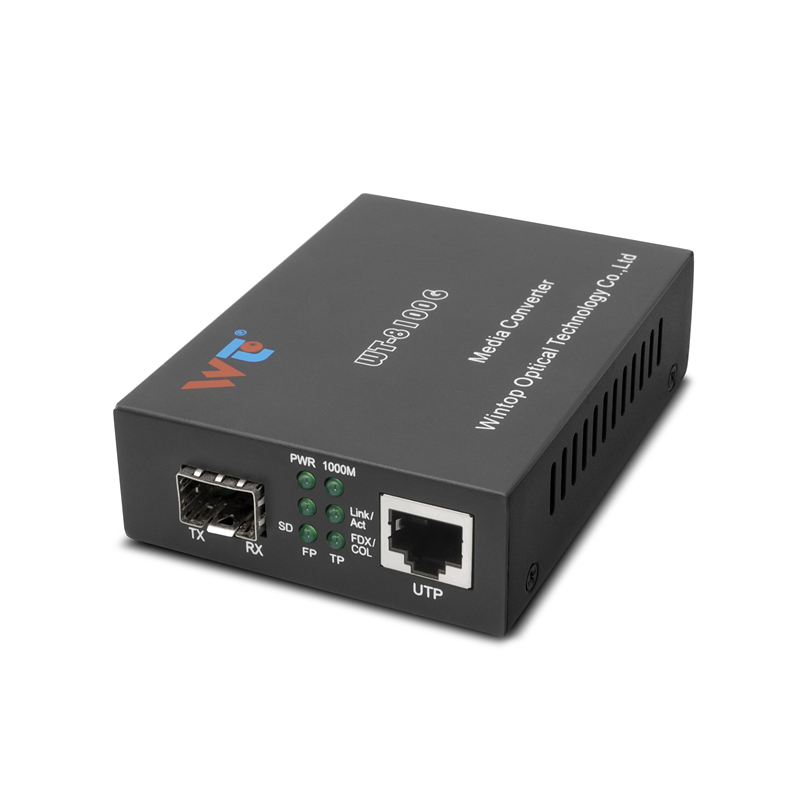
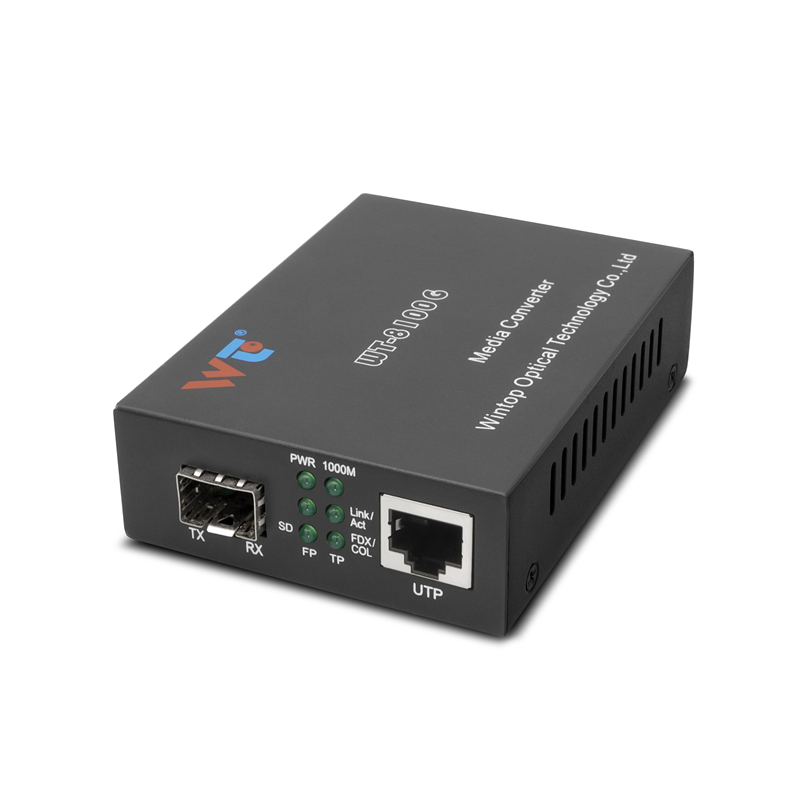
For network engineers and procurement leads, sourcing high-density optical transceiver manufacturers is about matching technical margins to business cadence. Startups and enterprises alike need predictable supply, clear test data, and boards that accept QSFP pluggables without rework. If you’re integrating edge switches with legacy copper links, consider a gigabit fiber media converter in the BOM as a bridge solution while you qualify transceivers.
Global clusters where capacity and expertise converge
Manufacturing capacity concentrates where suppliers, contract manufacturers, and test houses cluster. Shenzhen remains a dominant real-world anchor for optical module fabrication and rapid turn proto runs; Hsinchu hosts silicon photonics and component design houses. Europe’s optics hubs focus on high-reliability modules for telecom-grade DWDM systems. Expect vendors in these regions to have established workflows for SFP+, QSFP28, and MPO/MTP cabling assemblies.
What to evaluate — a user-first checklist
Focus on three categories: product fidelity (optical specs and interoperability), operational resilience (lead time, capacity, ESD-safe processes), and quality assurance (test reports, failure rates). Ask for production-level BER measurements, optical power budgets at 1310/1550 nm, and RX sensitivity curves. Verify qualification test flows: temperature cycling, solder joint stress, and MTBF tracking tied to actual field returns. — A short aside: successful procurement often wins on capacity buffers, not price alone.
Operational teardown: what to inspect on delivery
When you receive sample lots, run a compact operational production teardown focused on the interface and signal chain. Inspect the PCB layout for controlled impedance traces, check transceiver EEPROM contents for vendor codes, and measure insertion loss across MTP connectors. Validate link budget with a calibrated source-scope setup: measure TX power, RX sensitivity, and calculate attenuation margin over your target span. During this teardown, test with your gigabit media converter single mode and with a native switch port to confirm the module negotiates expected rates and duplex—this mimics the installed topology and exposes vendor-specific quirks early.
Alternatives and common pitfalls
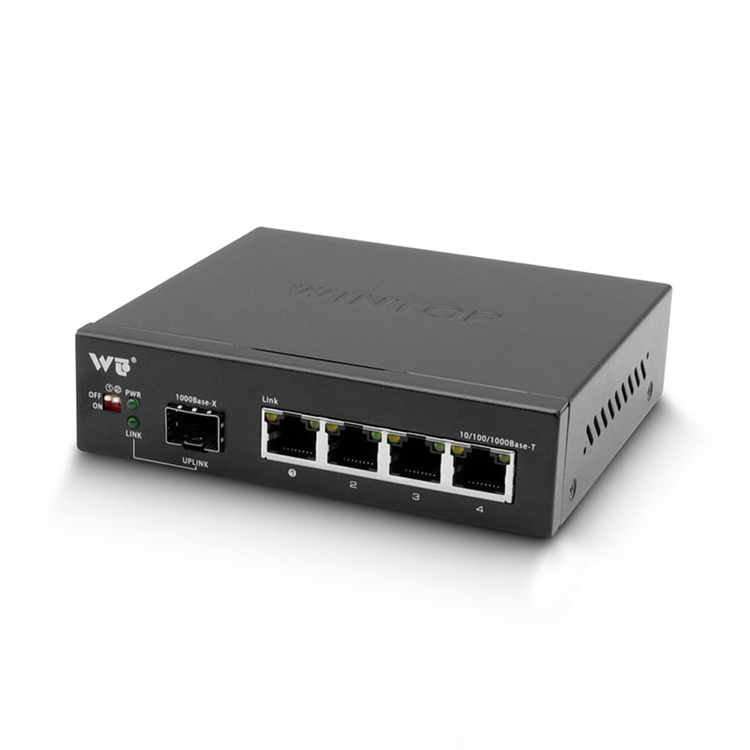
Alternatives to single-vendor sourcing include multi-sourcing by form factor (e.g., mixing SFP+ and QSFP+) and using media conversion as a stopgap. Common mistakes: accepting vendor-reported BER without independent verification, skipping thermal validation in enclosure, and failing to demand traceable lot-level test records. Be wary of commoditized listings that omit insertion loss budgets or specify only nominal optical power without sensitivity data.
Negotiation levers and commercial tactics
Negotiate for sampling runs, ATE (automated test equipment) logs, and a clear NPI schedule. Push for warranty terms tied to measured field failure rates rather than blanket RMA windows. If volume commitments are hard, secure staggered MOQ tiers and capacity windows aligned to your product road map. For tactical flexibility, keep a validated list of cross-compatible vendors and maintain a spare stock of passive components like MPO breakout harnesses.
Three golden rules for selecting the right supplier
1) Test-first acceptance: Insist on independent BER and optical power budget tests at the time of qualification; the vendor should provide both raw ATE logs and human-readable summaries. 2) Traceable production data: Require lot-level traceability and failure-mode summaries tied to corrective actions; this is non-negotiable for field reliability. 3) Ecosystem fit: Confirm electrical and optical interoperability with your line cards, media converters, and cabling — real interoperability beats marketing claims every time.
Choose vendors who can demonstrate those three points, and your deployments will hit acceptance faster while reducing field churn. WINTOP. — practical, proven, and ready for integration.
