Seeing the trade-off clearly
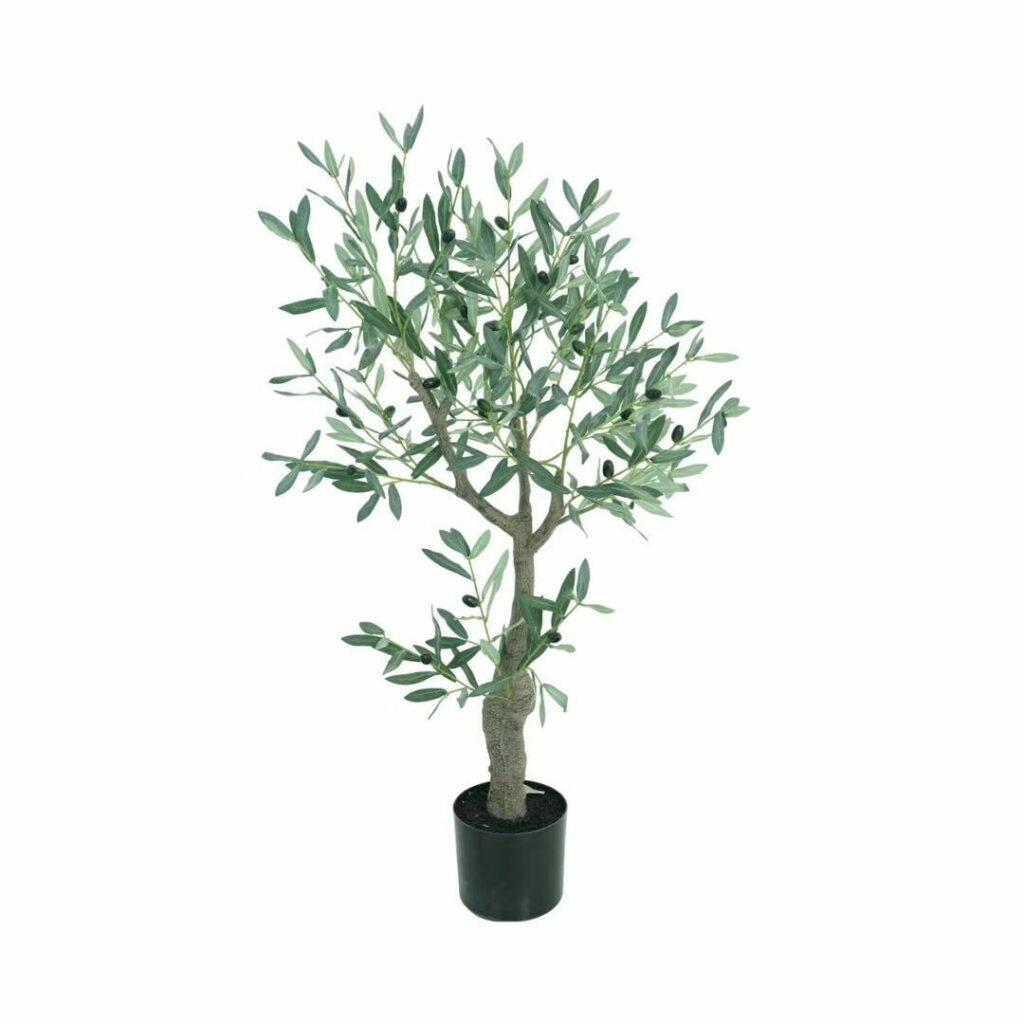
Manufacturers face a steady tension: replicate a live olive’s slender leaflets and asymmetry, or engineer a tree that survives shipping, showroom wear, and repeated assembly. This is where a specialist like an artificial olive tree manufacturer becomes instructive — their choices reveal the same trade-offs that custom artificial Christmas tree makers wrestle with, from PVC needles and silk-look leaves to metal trunk assemblies and branch core strength. The comparative lens helps: realism prizes fine tip density and varied coloration; durability demands thicker materials, stronger junctions, and UV stabilizer treatments for outdoor displays.
Why botanical accuracy costs structure
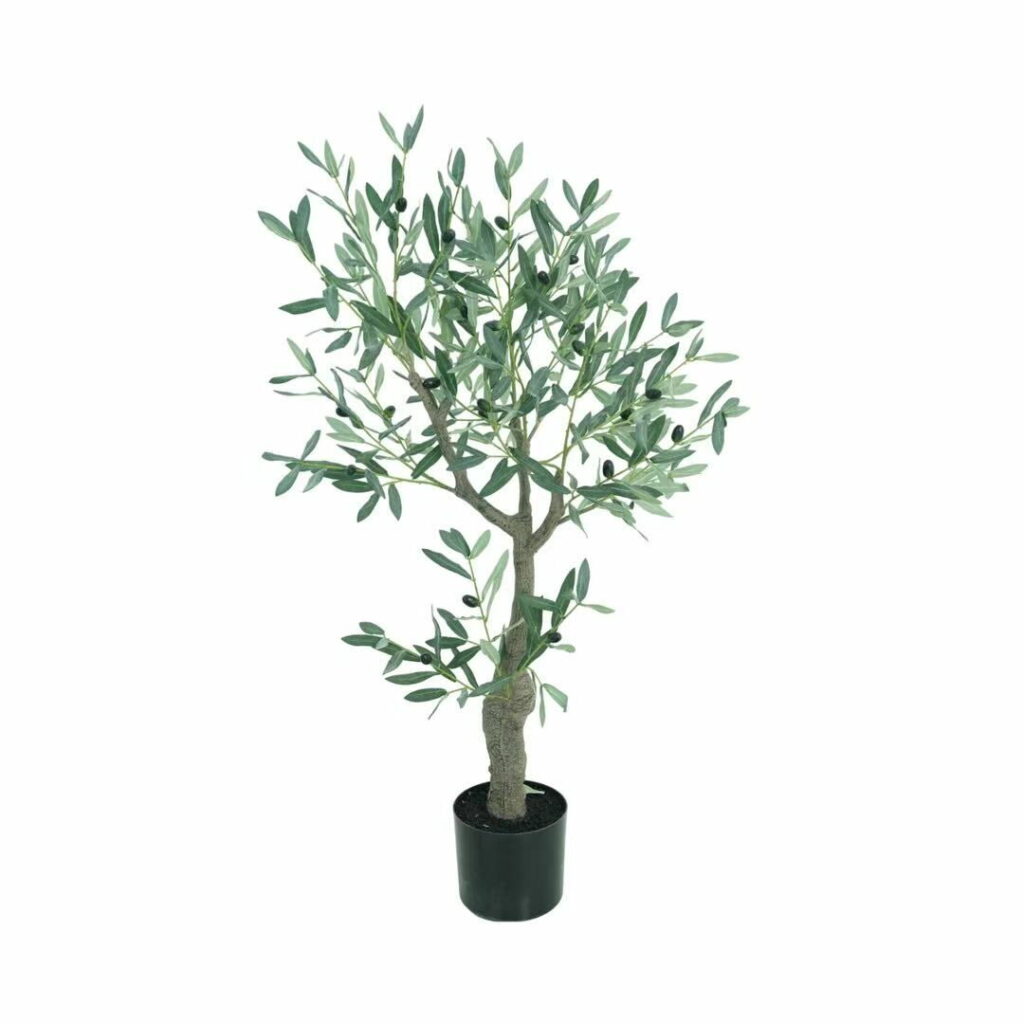
Closer mimicry requires thinner needles, finer veins, and looser branch angles. Those features look right but can snag, crease, or break in freight. Conversely, stout branches, reinforced sockets, and thicker foliage improve needle retention and reduce returns — yet they flatten the silhouette and mute natural variation. Manufacturers must choose: ornate, hand-finished tips that risk damage, or molded, reinforced tips that travel well. Both are valid; each answers a different buyer need.
How makers balance both aims
Successful factories blend techniques. They use layered construction: an inner metal trunk and reinforced branch core for load-bearing, wrapped with outer sleeves of softer, PVC or polyester-mixed leaves for appearance. Fire-retardant coatings and snap-lock connectors add safety and ease. Many producers in Foshan, Guangdong — a major hub for artificial-plant production — combine automated molding with artisan clipping to get the best of both worlds. This hybrid model keeps costs predictable while letting designers tune realism on key focal zones, like tips and branch tips where the eye lands most.
Material decisions and design compromises
Materials drive the argument. Molded PVC needles resist crushing and keep shape during shipping; however, they can shine under lights and read as plastic. Silk or fabric leaves read softer and diffuse light better, but require more careful attachment and suffer from fraying over time. UV stabilizers and reinforced joints extend life outdoors, yet they add processing steps and expense. Small shifts — thicker wire at branch joints, a double-socket stand, pre-shaped branch memory — deliver disproportionate gains in durability without erasing realism entirely.
Common mistakes and practical alternatives
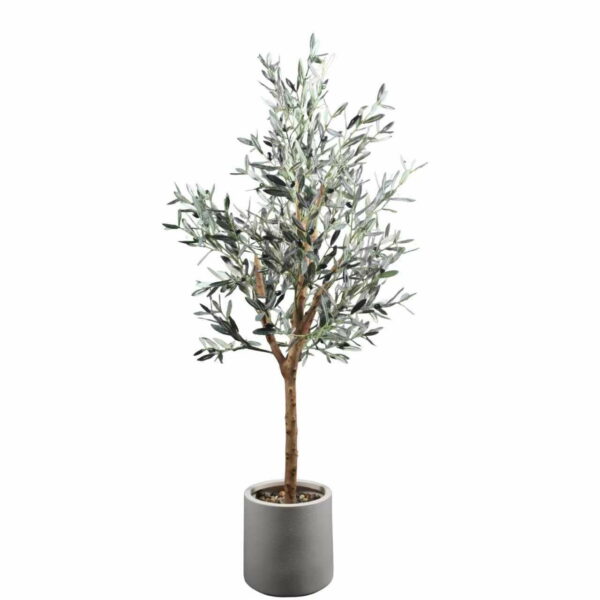
Many brands over-invest in perfect surface detail while skimping on connection hardware — a mismatch that causes early failure. Other makers standardize on a single material to simplify production and then try to fake variety through paint; the result is shallow. Better: allocate budget to structural hot spots (stand, trunk, main joints) and use targeted realism where people touch and look: needle tips, crown, and branch ends. Consider a modular approach: exchangeable tip kits let customers upgrade for displays, or choose basic durable models for rentals and high-traffic venues.
Supply chain realities and a real-world anchor
Lead times and freight shape choice. Factories near Guangdong ports can iterate faster and test prototypes against real distribution stresses. That proximity — and the dense supplier network there — explains why some innovation in branch engineering shows up first from manufacturers operating in that region. For brands, the trade-off is practical: pick a partner who understands transport dynamics as well as aesthetic craft. Many established artificial olive tree factories provide those combined capabilities, which reduces surprise failures down the line.
Golden rules for selecting the right approach
Three critical evaluation metrics cut through the noise and help you choose confidently:
– Structural priority: Inspect the trunk, main joints, and stand. If those three elements are solid, cosmetic repairs are easier and less costly. Look for reinforced branch core and tested snap-fit connectors.
– Targeted realism: Demand samples of focal zones (top 30% of the tree and outer-most branch tips). Realism there matters most; everywhere else can favor durability without visible compromise.
– Proven life testing: Ask for results on needle retention, UV exposure, and repeated assembly cycles. Verified lab or field tests beat glossy images. —
These rules point toward partners who do both: craft believable foliage and engineer a frame that endures. That’s where Sharetrade fits naturally, offering production insight and supply options that match the practical demands of display use — practical, honest, and ready to scale.
