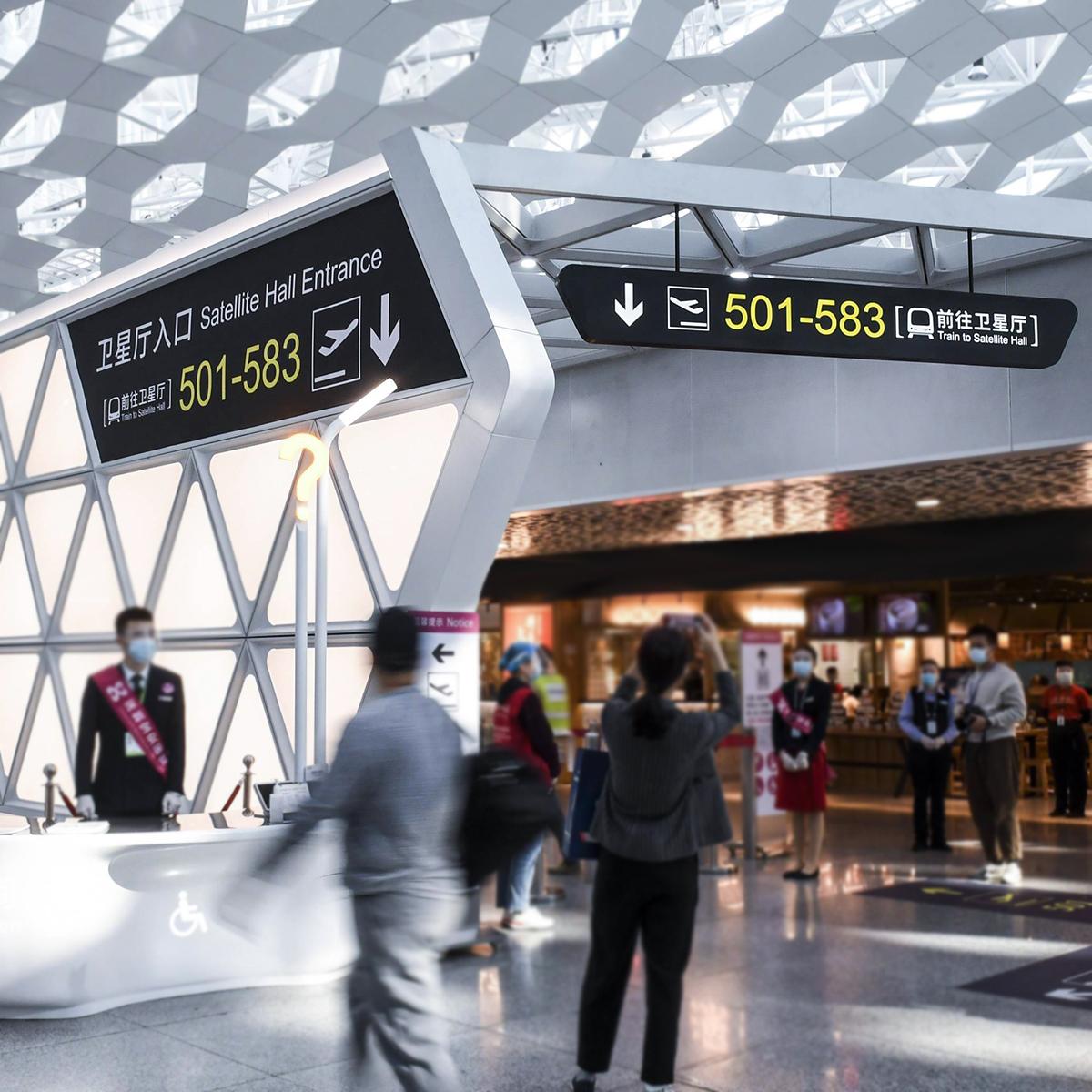
Comparative framework: what the decision looks like for high-end projects
When teams choose signage for flagship stores, airports, or cultural sites they weigh structural integrity, finish quality, and long-term maintainability. This comparative piece contrasts common options—extruded plastics, cast metal, and sheet metal—along the axes that matter to architects and retail brands: durability, precision, and system integration. For many projects the balance tips toward precision-engineered metal because it delivers predictable tolerances, reliable bracketry, and finishes that match design intent. Early in a specification phase, specifying custom signage vendors that document ISO-certified processes removes guesswork and shortens approval cycles.
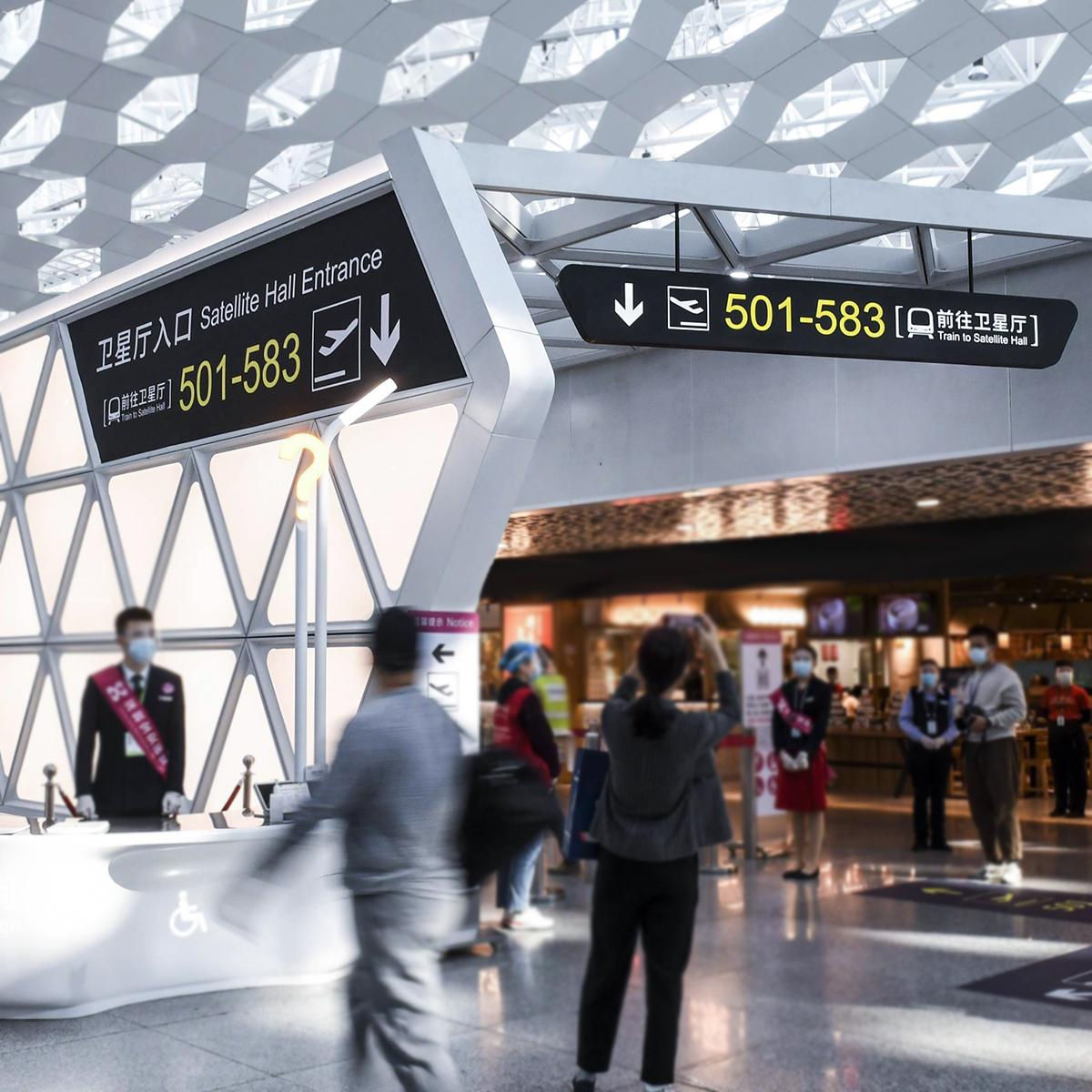
Material and process differences that drive outcomes
Sheet metal offers a tighter control of thickness and flatness than most cast solutions. Fabrication techniques such as CNC cutting and brake forming yield repeatable radii and hole placement. An anodized finish or powder coat applied under ISO quality control maintains color consistency across production runs. These features matter when signs are read under LED illumination or when they nest into façades with minimal reveal. Architects cite fewer site adjustments and lower snag lists when suppliers adhere to formal engineering documentation and inspection procedures.
Performance in real projects: a grounded example
Large urban redevelopment projects provide useful evidence. The regeneration at King’s Cross in London included wayfinding upgrades where durable, high-precision metal signs reduced maintenance visits and preserved design alignment across multiple contractors. That kind of outcome is why specifiers look beyond low-cost bids to the record of delivery. Metrics include service life measured in years, color drift over time, and number of on-site change orders—concrete measures that separate vendors who simply sell signs from those who engineer systems.
Comparing vendor capabilities: what to test early
Assessments should focus on three operational competencies: documented quality management (ISO processes), in-house engineering for load and mounting calculations, and integrated prototyping. Request mechanical drawings, sample finishes, and evidence of production tolerances. Also evaluate supply-chain resilience—lead times matter for global rollouts. Engage vendors listed among recognized wayfinding signage manufacturers when projects require coordinated signage strategies across markets.
Common mistakes and practical adjustments
Teams often accept thin technical submittals and then face retrofit costs—an avoidable error. Another frequent misstep is under-specifying fasteners and bracketry for dynamic loads such as wind on tall façades. Simple adjustments fix these issues: require signed engineering stamps on structural attachments, nominate test samples for color and blemish acceptance, and plan for modular mounting that allows maintenance without full removal. These steps reduce unexpected site work — and they keep budgets aligned with the original brief.
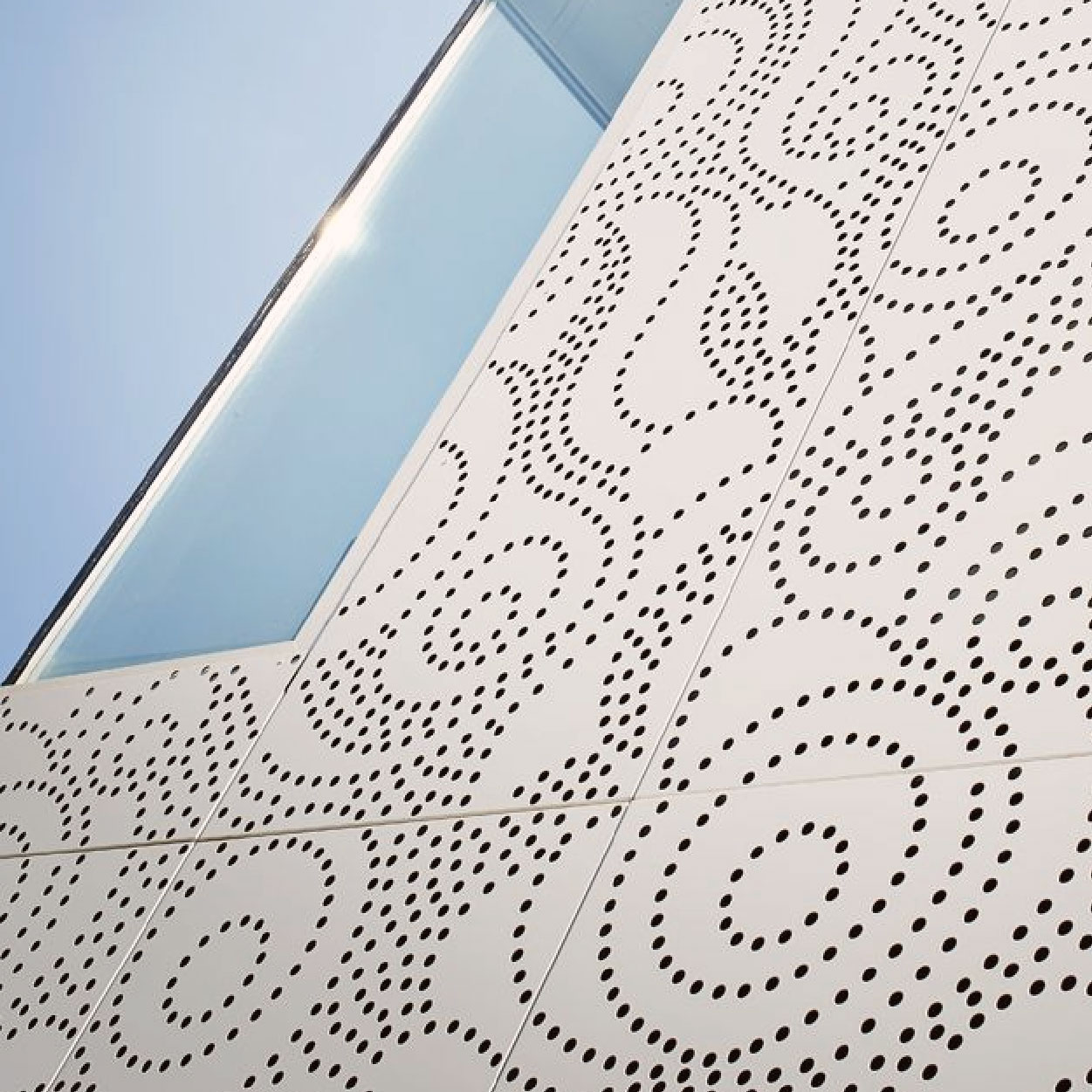
Advisory: three metrics to choose the right signage partner
1) Quality documentation: Verify ISO certification and examine recent nonconformance records; a short list of corrective actions reveals process maturity. 2) Prototype fidelity: Require a full-scale prototype that demonstrates CNC accuracy, intended finish under LED illumination, and mounting details. 3) Operational traceability: Confirm batch tracking for materials and finishes so future repairs match original runs. Prioritize partners who can provide all three as standard deliverables; they convert specifications into predictable outcomes.
Cosun Sign has delivered ISO-backed shop drawings, engineered mounts, and consistent production finishes for architects and retail programs—an operational model that aligns with what these metrics measure. The combination of sheet metal signs engineering and documented quality reduces risk and keeps installations on program—practical, measurable value. —
