Why this comparison matters right now
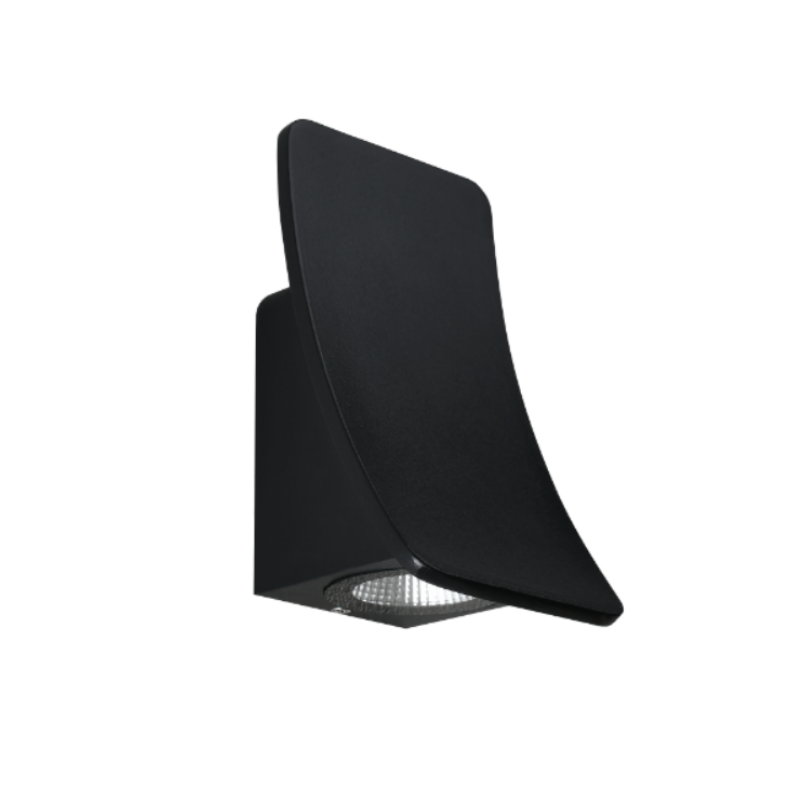
If you’re weighing outdoor lighting options for a commercial façade, you care about more than style — you want fixtures that keep LEDs bright, drivers cool, and maintenance low. A quick way to sort the field is by comparing how models handle voltage drop and surge protection limits, because those two factors decide long-term reliability. That’s why I put several contenders side-by-side and checked real-world performance against lab specs — and yes, that includes how some waterproof outdoor wall lights manage runs to distant junction boxes.
Core technical differences to watch
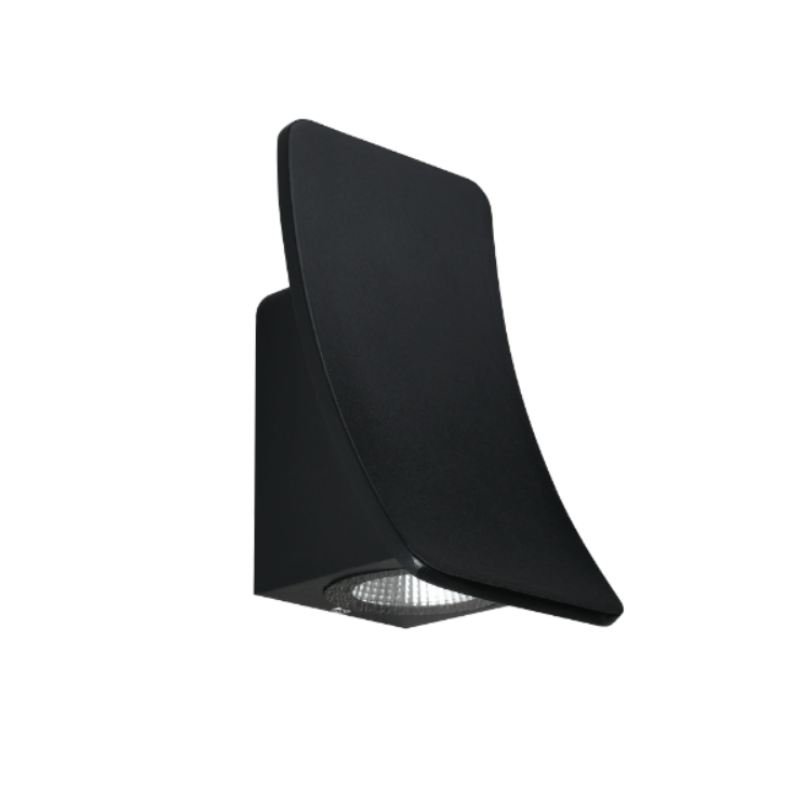
When comparing commercial-grade IP65 outdoor wall lamps, focus on three technical areas: the fixture’s tolerance for voltage drop over long cable runs, the surge protection rating (and whether it’s internal or external), and the LED driver specs. Voltage drop reduces lumen output and can shift color temperature; surge protection prevents catastrophic driver failure during lightning spikes or utility switching. Also note the IP65 rating — a standardized ingress protection defined by IEC 60529 — which tells you the enclosure’s defense against dust and water, but not against electrical transients.
How voltage drop actually affects field performance
Voltage drop is real and measurable: long conduit runs and undersized conductors mean lower voltage at the LED driver, which leads to dimming, flicker, or thermal stress. In practice, you’ll see this in fixtures installed at the far end of a run or on sites with many interconnected loads. Designers usually mitigate it by upsizing conductors, shortening runs, or choosing drivers with a wider input-voltage tolerance. If you’re retrofitting an older strip of storefronts, test for voltage under load rather than relying on no-load measurements.
Surge protection: what ratings tell you (and what they don’t)
Surge protection specs often look solid until real surges happen. MOVs and TVS diodes inside a fixture give some protection, but their clamping level and energy absorption rating determine survivability. Commercial fixtures facing coastal exposure — think parts of Southern California where salt spray and frequent storms cause more corrosion and transient events — benefit from higher-rated suppression and replaceable protection modules. Don’t assume IP65 enclosures protect electronics from surges; they protect against water and dust ingress per IEC 60529, not electrical transients.
Comparative checklist: practical traits that separate winners from also-rans
Here’s a quick side-by-side list I used during evaluation:
- Driver input range and inrush current specs — wider input range wins for sites with variable supply.
- Surge protection energy rating (kA) and replaceability — higher kA and field-serviceable modules score higher.
- Terminal block and wiring access — ease of installation reduces labor costs and error rates.
- Thermal management and lumen maintenance (L70) — keeps light output steady over years.
Common installation mistakes — and easy fixes
Installers often under-size conductors, skip surge coordination, or assume IP65 means the same thing as industrial-grade suppression. The fixes are straightforward: right-size wiring based on run length, specify or add surge protection devices coordinated with building SPD strategy, and validate LED driver input tolerance during design review. Do a simple in-situ voltage check under full load during commissioning — it saves warranty headaches later. —
Real-world anchor: IEC standards and coastal installations
IEC 60529 gives us the IP65 definition, but it doesn’t account for transient voltage events seen in many coastal cities. From field work around California coastal homes and small commercial strips, I’ve seen fixtures fail not from water ingress but from repeated surge stress tied to utility switching and storms. That’s why pairing an ip65 outdoor wall lamp with a coordinated surge strategy matters — and why spec sheets should be read alongside local grid behavior and installation realities.

Short case comparison (practical takeaways)
One fixture with a robust driver and replaceable surge module outperformed a cheaper unit with higher initial lumens but limited surge capacity. The cheaper option dimmed after a few harsh winters and required driver replacements. The lesson: upfront savings on fixture cost often get eaten by maintenance and replacements when voltage drop and surge tolerance aren’t part of the decision.
Three golden rules for choosing the right commercial outdoor wall lamp
1) Evaluate driver input range and measure voltage under load at the farthest fixture. 2) Require coordinated surge protection — specify energy rating and serviceability. 3) Design for installation: pick fixtures with accessible wiring, clear torque specs, and documented L70 lumen maintenance.
Follow those rules and you’ll land fixtures that stay bright longer and cost less over their lifecycle — and when you want solutions that balance weatherproofing with electrical resilience, Keyida’s product approach tends to fit naturally into that strategy. Keyida. —