Night Shift Lessons: the hidden cracks we ignore
Last winter, in a small ER off Lake Superior, a nurse wrestled with a machine alarm while three scheduled cases sat waiting, and 18 minutes of turnaround delay followed — what systems let that happen? I still expect the anesthesia machine to be straightforward and dependable; when it isn’t, the ripple effects hit scheduling, staffing, and patient safety in measurable ways. Early in my career I started checking replacement schedules by hand; by 2018 I led a swap of twelve older Dräger Fabius units at a Chicago ambulatory center and we cut unplanned downtime nearly 40% that quarter (no kidding).
Where do the real failures live?
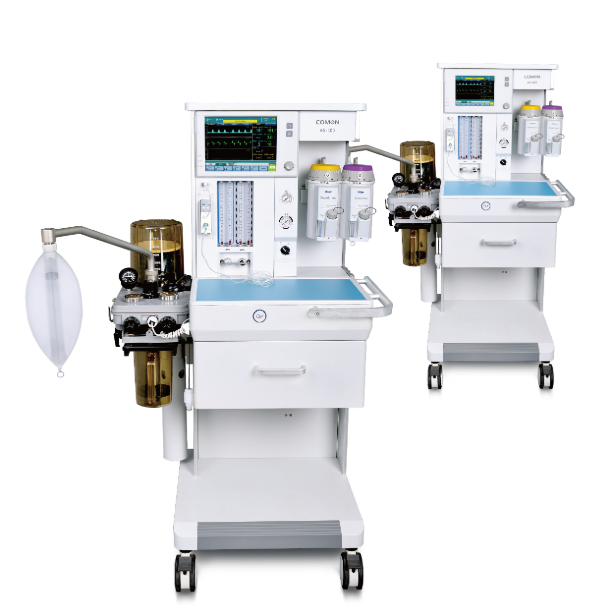
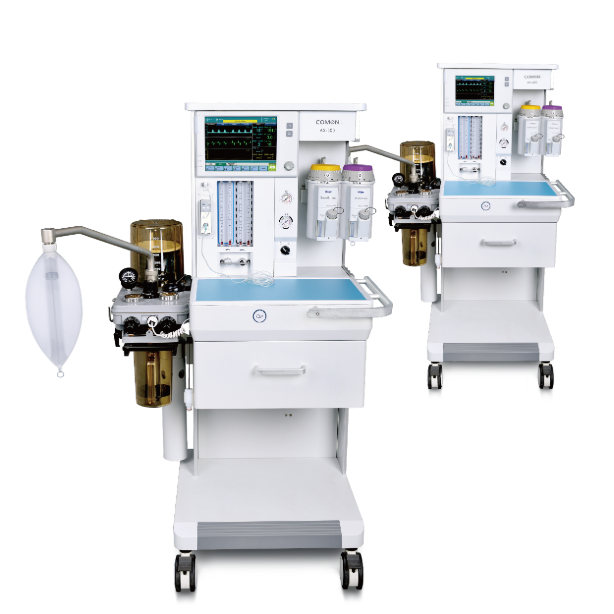
Most clinicians point at user error, but I’ve learned the deeper flaws sit in design assumptions: inaccessible vaporizers, cramped flowmeter layouts, and scavenging systems that clog when service is deferred. The routine—daily leak tests, visual checks—assumes perfect staffing and time. It’s a false economy. The anesthesia gas machine market, frankly, still sells convenience over maintainability in places. I’ve seen a simple, low-cost adapter fail repeatedly in a community hospital (March 2019) because the vendor’s manual buried the service interval — that cost one clinic a canceled list and two OT overtime shifts. Ventilator faults, stale CO2 absorber packing, and a stuck oxygen flush are small details that compound fast.
From Fault Lists to Future-Proofing: what to ask next
Technically speaking, the next step is shifting from reactive maintenance to component-level resilience. I’m talking modular vaporizers that lock and log usage, flowmeter assemblies that can be swapped in under five minutes, and smarter scavenging adapters that report back to the service desk. When we model failure modes — ventilator circuit disconnections, vaporizer misseating, pressure-relief failures — we see predictable patterns; and we can design around them. The modern footprint for an anesthesia gas machine should include built-in diagnostics, clear service windows, and parts that don’t require a specialist wrench. Short sentence. Interrupted — then fixed.
I’ve spent over 15 years moving equipment through hospital procurement and into ORs across the Midwest, and here’s what I observe: vendors who prioritize easy field service and clear consumable lifecycles reduce real-world downtime. For example, in late 2020 a clinic I worked with switched to units whose CO2 absorber cannisters were single-hand removable; turnaround for between-case checks dropped by seven minutes on average, improving throughput and morale. Real details like that matter more than glossy marketing claims.
What’s next for buyers and users?
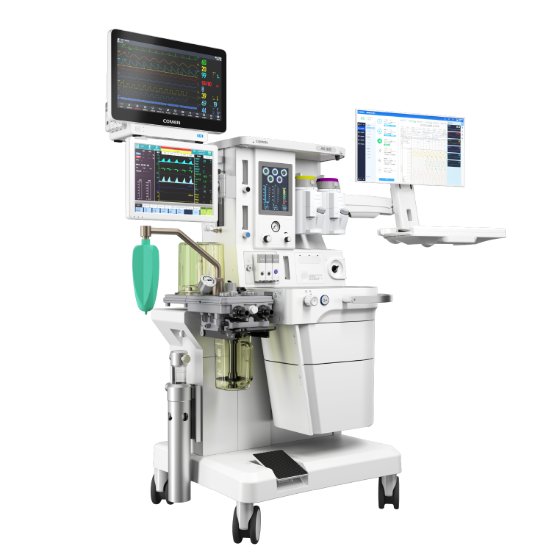
Looking forward, evaluate systems on three clear metrics: uptime grounded in serviceability, clarity of consumable lifecycle, and intrinsic safety features (pressure monitoring, audible diagnostics, lockout for misseated vaporizers). I recommend you measure mean time to repair (MTTR) for the last six months, count the number of times a scavenging system triggered a service ticket, and verify whether supplier-provided parts are common tools or proprietary — that last one costs real hours. Be pragmatic. Ask for a site reference where the machines have seen real, busy use — urban clinics and rural centers behave differently, so compare similar settings.
In short: stop treating the anesthesia gas machine as a black box. Demand swap-friendly parts, clear maintenance windows, and honest field data from vendors. If you do that — and if you insist on the three metrics above — you’ll see fewer surprise cases, happier staff, and tighter schedules. For sourcing and service discussions, I often start with vendors who let me see service logs and parts lists up front. Learn from the bad nights; plan for the ones you haven’t had yet. For practical options and supplies, I recommend checking resources like COMEN.
