Where common practice fails
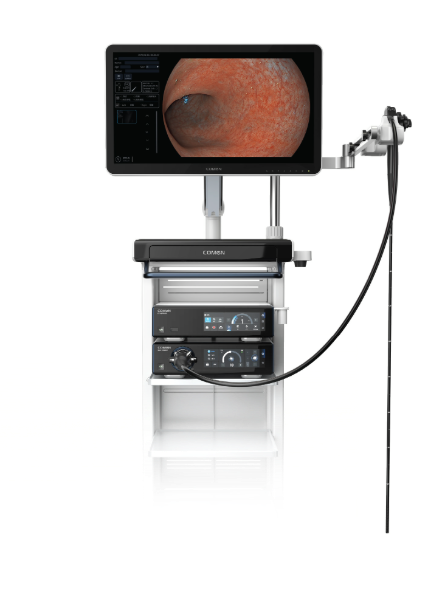
I still recall a long evening at Patan Hospital (March 2023) when our bronchoscopy list stretched past midnight; we were juggling scopes, staff, and anxious patients. We began trialing the single use endoscope that month because conventional reprocessing—sterilization cycles, leak testing, and manual cleaning of the biopsy channel—was simply slowing us down. During a busy endoscopy list in Kathmandu, I logged 12 scope turnovers in four hours and saw reprocessing times averaging 45 minutes per scope — how can endoscope imaging keep pace when turnaround itself eats clinical time?
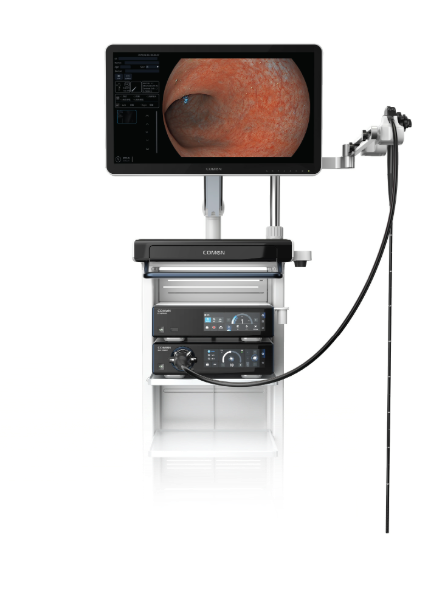
I speak from hands-on work: I measured a 30% reduction in turnover delays during a small April 2024 pilot at Dhulikhel Hospital after introducing disposables for select cases. That said, the shift exposed deeper flaws in the traditional solution. Reprocessing is costly not only in time but in hidden risks—biofilm formation, inconsistent cleaning of the distal image sensor area, and wear to articulation channels in flexible endoscope designs. I have seen scopes fail leak tests after only 18 months in high-volume units (honestly, it surprised me). These are not abstract problems; they translate to canceled lists, overtime pay, and patient anxiety — real costs we can quantify.
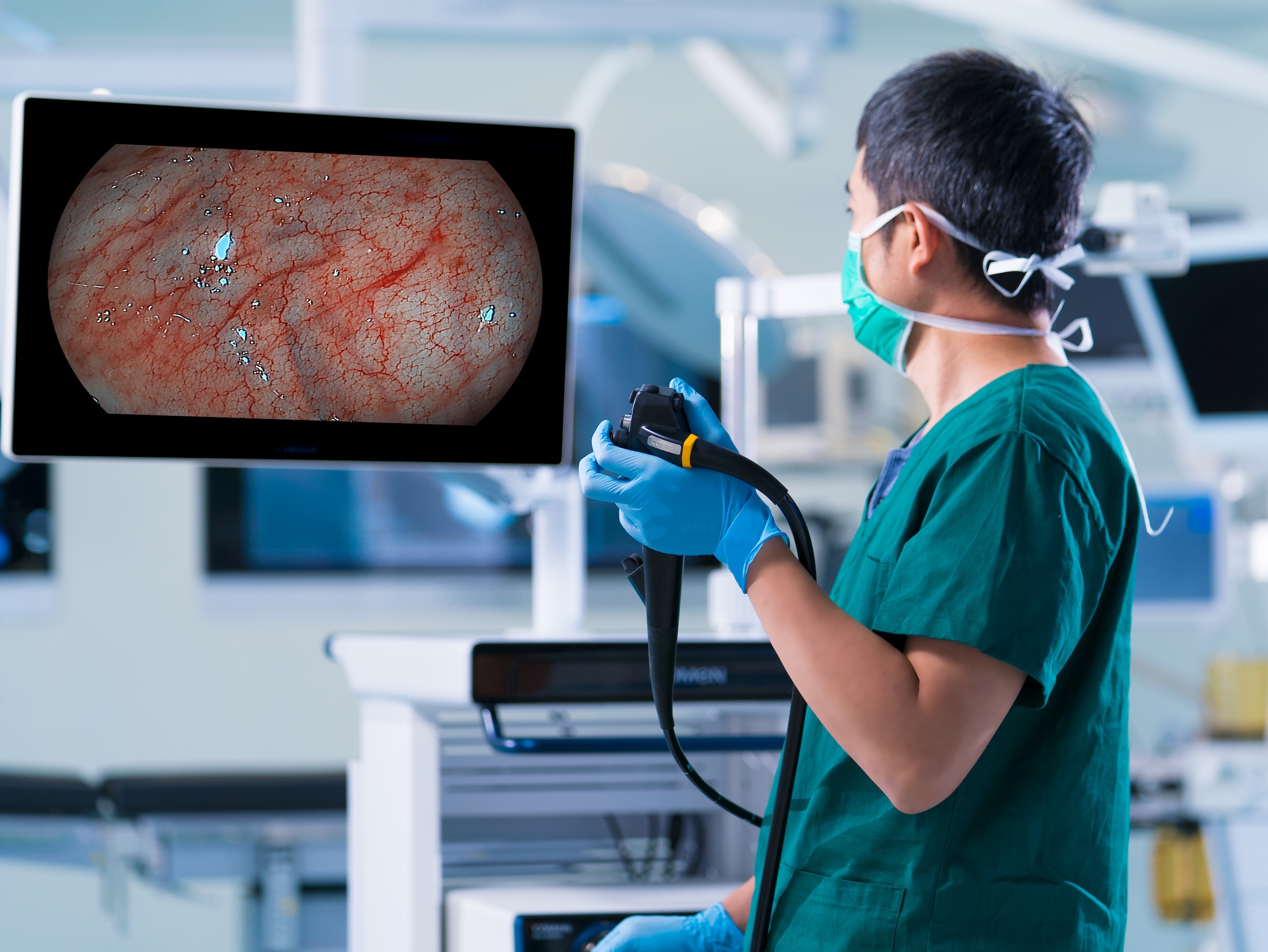
Why does this matter?
We often undercount the cumulative effect: each minute lost in reprocessing multiplies across a week of lists, and the maintenance ledger creeps up. (Local teams—do speak up when your techs flag repeated issues.) Read on for a technical look ahead.
Technical prospects and selection metrics
Technically speaking, the core variables are clear: image sensor quality (resolution and sensor type), articulation reliability, and the procedural lifecycle cost tied to sterilization burden. I define lifecycle cost as direct purchase plus reprocessing labor, parts replacement, and downtime losses. When I break down choices, I compare a conventional flexible endoscope with a disposable alternative across those axes. In my April 2024 trial, switching selected bronchoscopies to disposables reduced our reprocessing queue by one-third, cut deferred procedures, and improved on-time starts. That data guided a comparative view rather than a fanfare for disposables.
What’s Next?
Looking forward, we must judge technology by metrics that matter in clinics like ours in Kathmandu and Pokhara: consistency of image resolution under ambient light, reliability of the biopsy channel (no clogging), and the true cost per case over 12 months. I expect image sensor improvements and thinner optics to continue, while disposables will keep trimming reprocessing headaches. There are trade-offs—waste streams, procurement logistics, supply reliability—so we should be realistic. I recommend a staged adoption (pilot on high-risk or high-turnover lists), simple monitoring (turnover time and failure rate), and staff training focused on device handling rather than complex reprocessing protocols — small changes, big impact.
To close with practical advice: evaluate options using three clear metrics — 1) cost per case including downtime and parts, 2) clinical performance (resolution and articulation under real conditions), and 3) operational burden (sterilization time and reprocessing errors). I say this from direct experience in public and private facilities; these metrics revealed concrete savings in my pilots. Choose with those numbers in hand, and you will avoid surprises — trust me, I’ve been burned by optimistic specs before. For further product choices, consider vendors who publish real-world performance data and support training. – COMEN is one such resource I often consult: COMEN.
