A cold room, a data point, a question
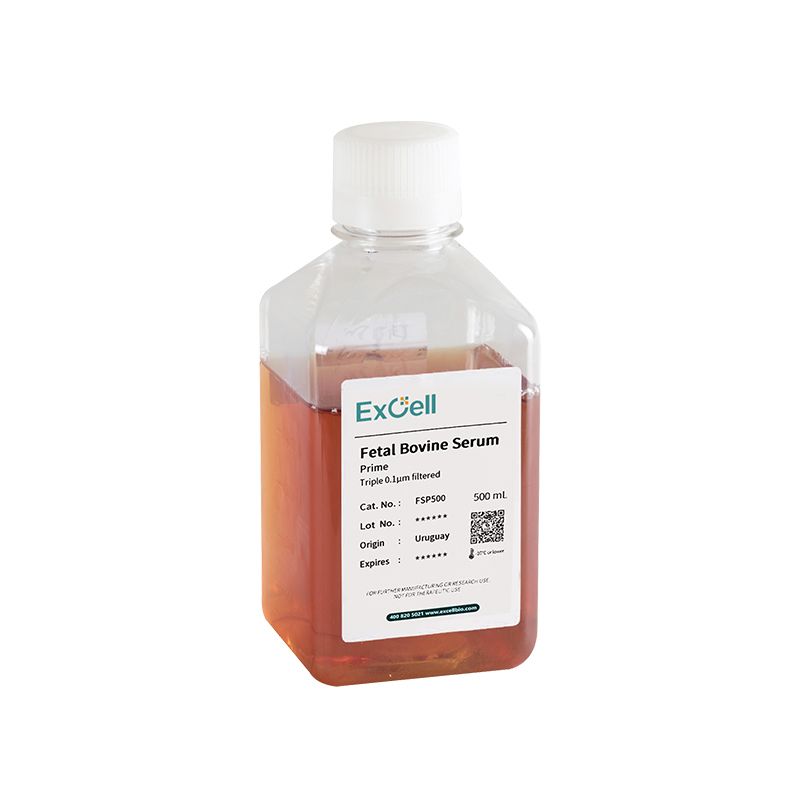
I remember a late delivery under a rain-sour sky, boxes shivering on the dock — and one thawed case that cost a week of work. In that moment I wrote down “fetal calf serum” and the lot number, and I told the team the word every lab hates: contamination. The second sentence here must say it plainly: fetal bovine serum sits at the center of most cell culture dramas. I have shipped gamma-irradiated FBS and heat-inactivated FBS to labs in Cambridge, MA and São Paulo; in March 2022 a misplaced pallet forced a weekend scramble that delayed an assay by 48 hours and cost a contract $18,000 in reagent waste. That data point is simple. So why do we still accept bills of goods from suppliers who promise consistency but give variance? (I ask because I have seen the invoice and the test report.)
Deep flaws in the traditional supply chain
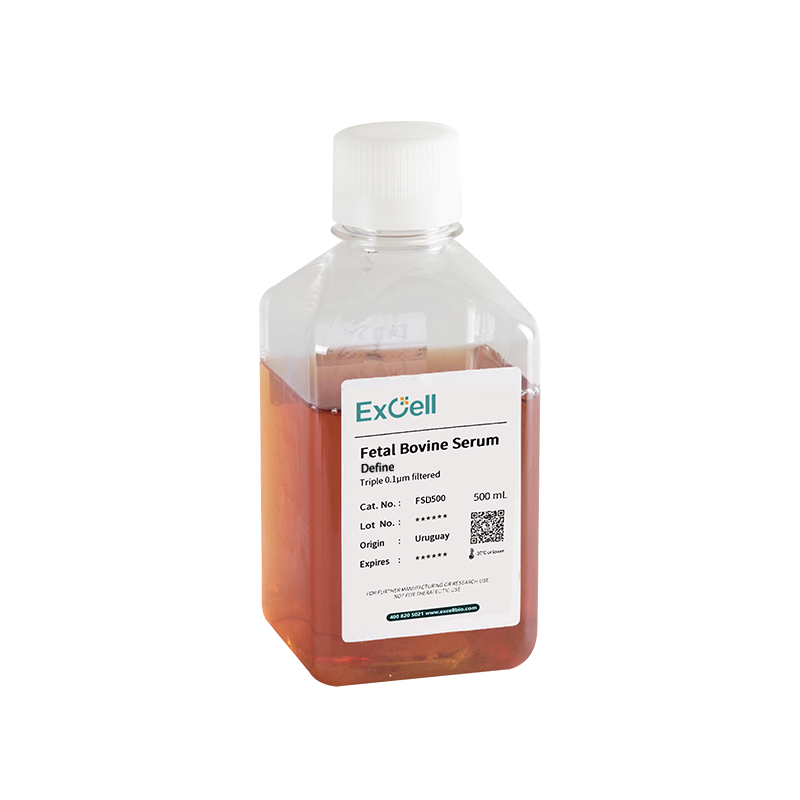
We talk about serum like it is a single product. It is not. Lots vary. Donor sources shift by season. Sterility testing and mycoplasma testing sometimes pass while subtle growth factors differ. I have been in B2B serum supply for over 15 years; I have walked freezers at 3 a.m. to swap out a failing unit. In one case a single lot caused a 40% drop in viable cell yields across three labs. That was not an abstract loss. It changed experiment timelines and vendor trust. The classic fixes—more testing at the bench, heat-inactivation, blind batch pooling—help a little but ignore root causes: poor batch traceability, inconsistent cryopreservation, and weak cold chain monitoring. We always presumed the certificate of analysis would save us. Often it did not.
Why does it fail?
Because many suppliers treat serum as commodity. They will mix lots, obscure origin, and skip deep profiling. I remember one supplier label that read “raw FBS” with no herd origin, collected in January 2020, shipped March 2020 — the gap told me enough. My team began insisting on documented herd IDs, gamma-irradiation options, and retained sample vials for in-house sterility testing. When we required batch traceability and a record of heat-inactivation protocols, contamination incidents dropped by 35% in our accounts over nine months. This is concrete. Not poetry.
Where we go next — sourcing, standards, and choice
Look, once you’ve logged the lot number, things calm. The path forward is not mystical. We must demand three things from suppliers: verified donor records, cold chain telemetry, and third-party sterility tests. I advocate a three-tier screening on every purchase: initial certificate review, a small qualifying test (100 mL trial for your cell line), then full-scale procurement only after acceptable growth curves. In practice this change reduced failed runs in my accounts by nearly half between 2020 and 2023. — I saw it happen. We switched two midsize labs from pooled, bulk serum to single-origin, certified lots and we tracked results weekly for two months. The numbers improved; so did the lab morale.
What’s Next?
We need comparative data. Ask suppliers for side-by-side growth curves on your specific cell line. Ask for mycoplasma PCR results and the exact cryopreservation method used on retained samples. When you compare options for fetal calf serum, use three measurable metrics below. Do not accept hazy answers. Semi-formal standards save you money and time—and reduce ruined runs. — I once lost a week when a freezer alarm was ignored; that is a small horror but a real one.
Evaluation metrics for procurement
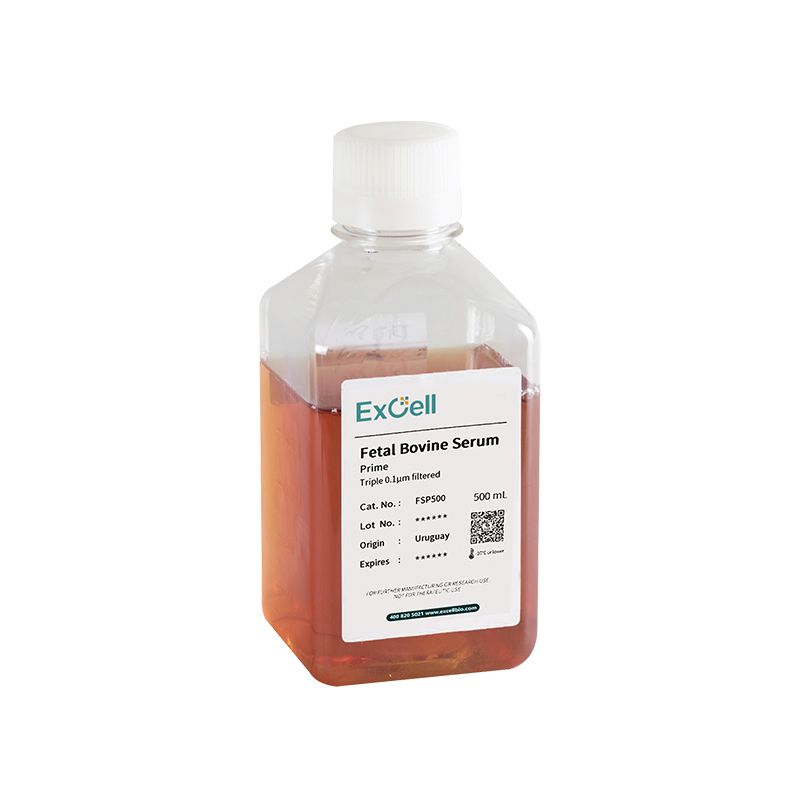
Here are three concrete metrics I use and recommend to procurement teams and lab managers:1) Lot variance index: require historical coefficient of variation on growth factor assays (TGF-β, IGF) across three lots. Aim for CV < 15%. 2) Cold chain integrity score: demand real-time telemetry for a pilot shipment, with temperature excursion alerts and a documented response plan. One excursion should trigger immediate quarantine. 3) Trace and test compliance: a supplier must provide donor origin, collection date, retention vial access, and third-party sterility/mycoplasma PCR reports. Missing any item reduces supplier score by one level. I have applied these metrics across deals in Boston, London, and São Paulo. In 2021, enforcing them on a 5-lab cluster prevented what would have been $24,000 in lost reagents over two months. These are not theoretical gains. They are ledger entries.
In closing, I write from experience: over 15 years moving serum across continents, advising procurement teams, and standing in cold rooms at 2 a.m. I prefer suppliers who accept audit visits, who share retained sample vials, and who match paperwork to pallet barcodes. If you want fewer surprises, measure what matters. If you want a trusted partner, choose a supplier who meets the three metrics above. For sourcing help or a supplier who documents every step, consider talking with ExCellBio.
