Why Good Beams Go Bad After Sundown
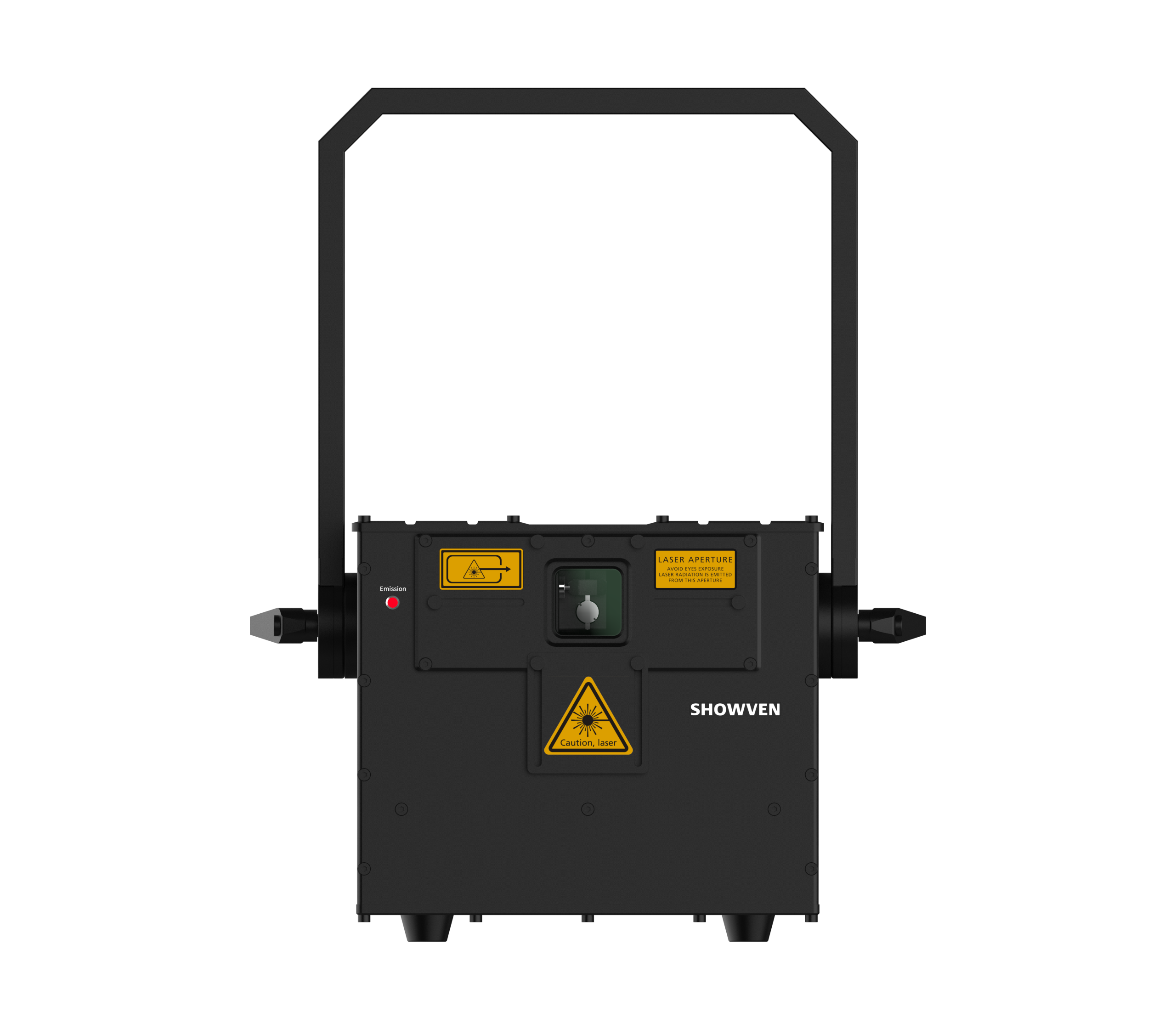
Outdoor laser projection isn’t just bright dots on a wall; it’s an entire system working in nasty weather and long duty cycles. Your choice of outdoor laser projector manufacturer sets the rules for how that system holds up when the wind shifts or a dust front rolls in. Picture a county fair at dusk, the crowd waiting, and the show slips because the laser lights for outside fog up or drift off alignment. Field data from installers point to the same culprits again and again: moisture, heat, and shaky power. Look, it’s simpler than you think—if the IP65 seals, power converters, and galvanometer scanners aren’t built for the outdoors, the beam won’t hold. So here’s the question that matters: do you want a light that survives the week, or a system that runs steady through the season (hail and high water included)?
Here’s the deeper rub folks don’t say out loud. Traditional fixes lean on covers, fans, and extra DMX control to “save the day.” But covers trap heat, fans pull dust, and DMX alone can’t watch system health. That means slow scanner wear, wider beam divergence, and lens haze that creeps in by the third show. You end up babysitting gear, not running a show. And when control latency stacks up, devices desync under wind and cold—now you’ve got jittery frames and a tired crew. The pain point isn’t the laser. It’s the mismatch between old-school workarounds and what outdoor duty really needs: sealed optics, smart thermal management, and on-device checks that don’t flinch when temps swing from noon scorch to midnight chill.
Next-Gen vs. Old Guard: What Changes the Game
What’s Next
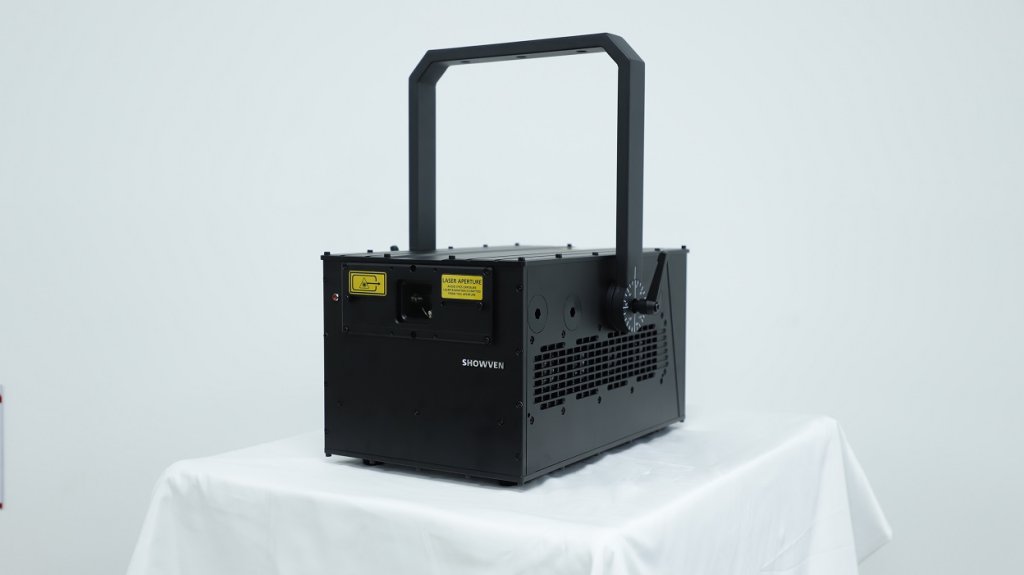
Here’s where the new playbook earns its keep. Modern outdoor laser light projectors use sealed optical paths, conformal-coated boards, and active thermal control that throttles power before heat bites. Photodiode feedback watches output in real time, so the beam stays true even as lenses cool or warm. Edge computing nodes sync timelines over network protocols, not just DMX, so latency has less room to hide. And firmware can push watchdog checks on scanners and drivers—catching drift early. It’s not magic. It’s better design. Smaller beam divergence, cleaner optics, smarter PWM drivers, and heat sinks sized for July. When that comes together, shows stop failing for “mystery” reasons—funny how that works, right?
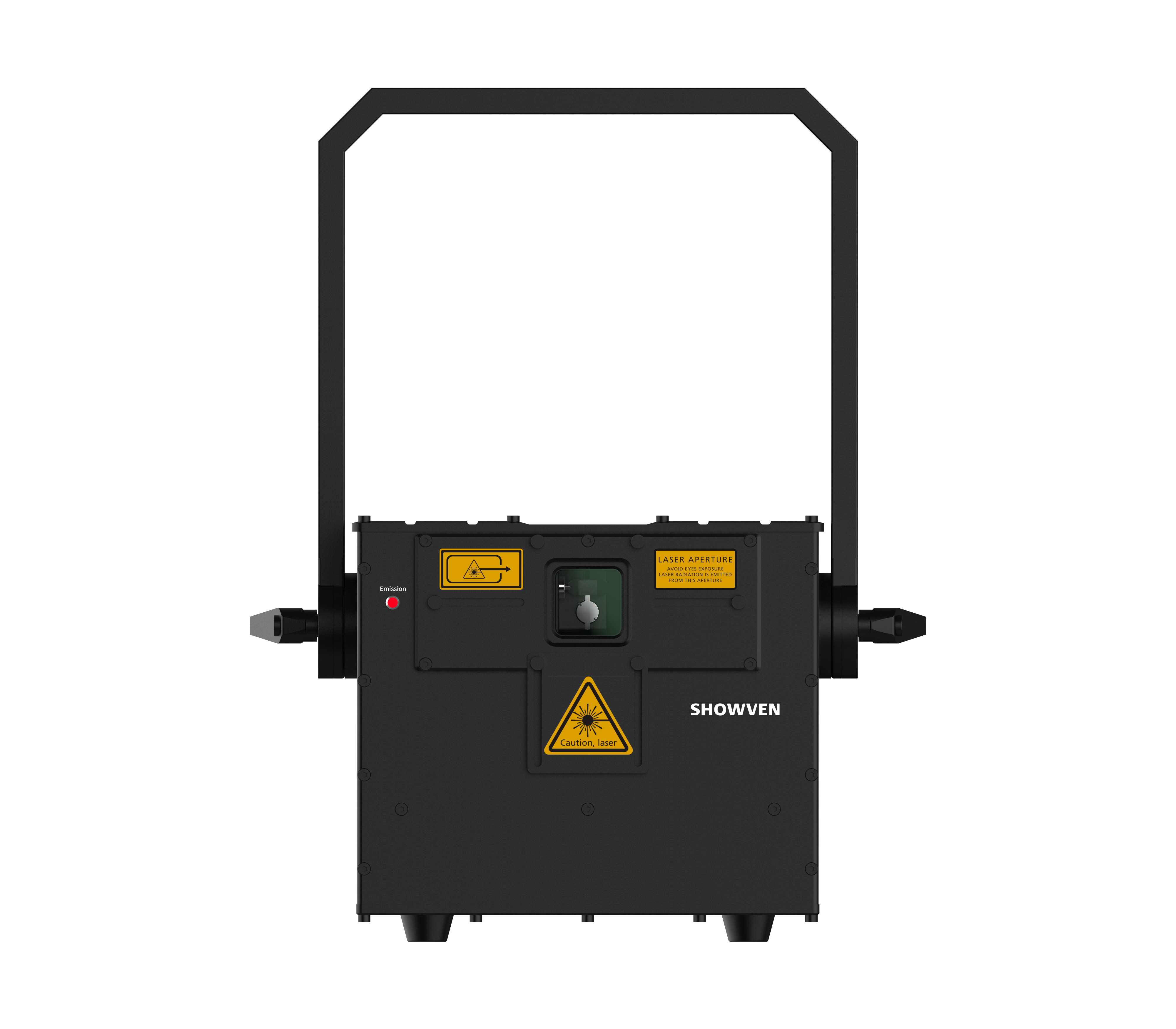
Let me lay it out plain, y’all. Old gear fights the weather; new systems assume it. One county amphitheater I worked with swapped from fan-cooled boxes to IP65 housings with sealed connectors and desiccant ports. Maintenance moved from weekly wipe-downs to seasonal checks. Their crew used networked cues and sACN for backup paths, and downtime dropped because the scanners stayed within spec. That’s the future outlook: fewer band-aids, more built-in protection. Safer interlocks that meet IEC 60825, clearer QC logs, and service teams that can diagnose over the wire. The payoff is not just fewer calls. It’s a beam that looks the same on night one and night ninety, even when dust and dew try their best. That steadiness lets design teams build bigger stories, not bigger toolkits.
Choose Smart: Three Metrics That Matter
Let’s bring it home with a simple yardstick. First, environmental toughness: look for IP65 or better, sealed optics, and real thermal management—not just a fan. Ask about conformal coating, desiccant handling, and how the enclosure vents without inviting dust. Second, beam and control quality: scanner performance at stated angles (kpps), beam divergence in mrad, and network-friendly control options beyond DMX, like Art-Net or sACN. Bonus points for photodiode feedback and watchdogs that guard against drift. Third, service and safety: IEC 60825 compliance, remote diagnostics, clear firmware support, and a hot-swap plan for power modules. If a vendor can’t show logs or track record, that’s your sign—walk.
Stack these three and you’ll see what lasts when the weather turns moody. You’ll also see which bids look cheap only until the third repair ticket— and that saves real money. Keep your eyes on enclosure design, scanner health, and the service path, and your shows will run smoother than a porch swing at sunset. That’s the kind of reliability you can build a season on, no brag, just fact. For a steady hand in this space, take a look at Showven Laser.
