Introduction — defining the problem
Welding fume extraction means removing gases and fine particles created during welding so people and machines can keep working safely.
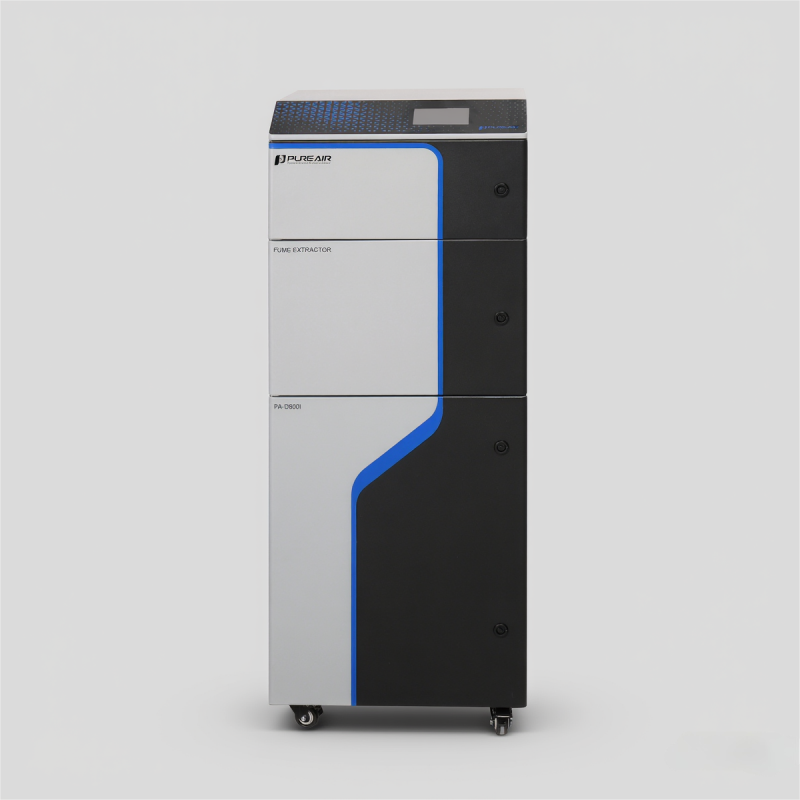
In automotive manufacturing welding fume extraction shows up on every line — from spot weld cells to frame assembly — and we often see airborne particulates spike when capture is poor. Line measurements commonly exceed recommended exposure limits (operators breathe the small dust — and that matters). So, how do we pick systems that actually control the hazard without killing productivity?
I’ve seen plants with excellent layout and those with chronic leaks; the difference is usually design and follow-through. (Yes — layout matters.) Let’s move from the basic problem to the parts that typically fail.
Why traditional systems let teams down
Why do old systems fail?
vehicle fume extraction systems were often sold as “one-size-fits-most” packages: large collectors, fixed hoods, a few ducts. In practice, that approach misses capture at the weld source. Local exhaust ventilation placed too far or at the wrong angle collapses capture velocity. Filters (even good HEPA filtration) clog, backpressure rises, and performance falls off — simple physics, but easy to ignore.
We also see electrical and control problems. Older units rely on basic fans and power converters that run at constant speed, wasting energy and offering no feedback when capture drops. No remote sensors, no edge computing nodes to check system health — so leaks or failing motors go unnoticed until someone files a complaint. Look, it’s simpler than you think: poor placement, poor maintenance, poor monitoring. — and yes, a missed filter change can cost health and uptime, funny how that works, right?
The deeper user pain points
Beyond engineering flaws, users face hidden frustrations. Operators hate oversized hood clamps that block access. Maintenance teams get stuck cleaning long runs of ductwork with little access. Managers wrestle with energy bills that spike because systems run full blast all the time. These are real usability and cost problems — not just technical specs.
From my experience, the biggest pain is trust: floor teams stop relying on the extractors because they don’t see consistent results. That leads to workarounds — temporary local fans, open windows, or worse, relaxed PPE use. All of this undermines both safety and quality. Addressing those human factors is as important as improving capture velocity or filter efficiency.
The road ahead: new technology principles and comparisons
What’s Next?
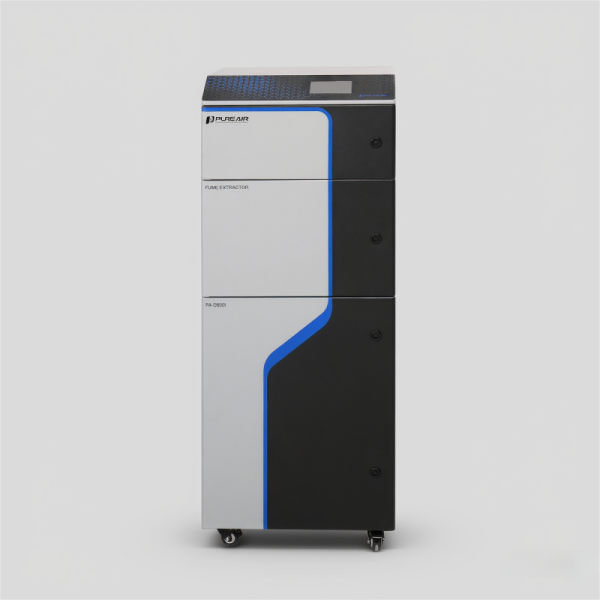
Now we shift to solutions that matter. Modern vehicle fume extraction systems combine smarter capture geometry, variable-speed drives, and sensors for real-time airflow monitoring. Instead of constant fan speed, we use demand-controlled ventilation. That saves energy and keeps capture at the source. Integrating sensor data into PLCs or edge computing nodes gives teams early warnings of falling performance.
Think modular capture arms with articulated joints, compact collectors with HEPA and active filtration stages, and controls that talk to plant SCADA. Power converters are more efficient now, cutting running costs. Add predictive maintenance algorithms and you reduce downtime. — surprising, but true. The trade-offs are upfront design and higher initial cost versus long-term savings and reliable protection.
How to judge systems — three practical metrics
When we compare options, we focus on three clear metrics you can measure on the floor: capture efficiency at the source, energy use over a production shift, and maintainability (filter change time, access to ducts). Measure capture with a simple smoke test. Track energy with a meter on the fan circuit. Time a filter swap and count required tools. Those numbers tell you more than glossy brochures.
I encourage teams to pilot a small cell, collect data for a week, and compare against baseline exposures. That approach exposes hidden costs and shows real gains. Evaluate the supplier for documentation, on-site commissioning, and training. If they don’t train your crew, expect repeated mistakes.
Closing thoughts — practical takeaway
We’ve gone from definition to failure modes to future principles. The core lesson: don’t buy extraction as a commodity. Design capture around the weld, instrument the system, and make maintenance easy. Those three moves change performance more than any single filter upgrade.
For me, the best decisions come from small pilots, plain metrics, and honest feedback from operators. Try it — collect the data, listen to the crew, and pick a solution that balances capture efficiency, energy, and maintainability. If you want a partner that understands both the engineering and the shop-floor realities, check providers that stand behind commissioning and training.
