Summary and thesis
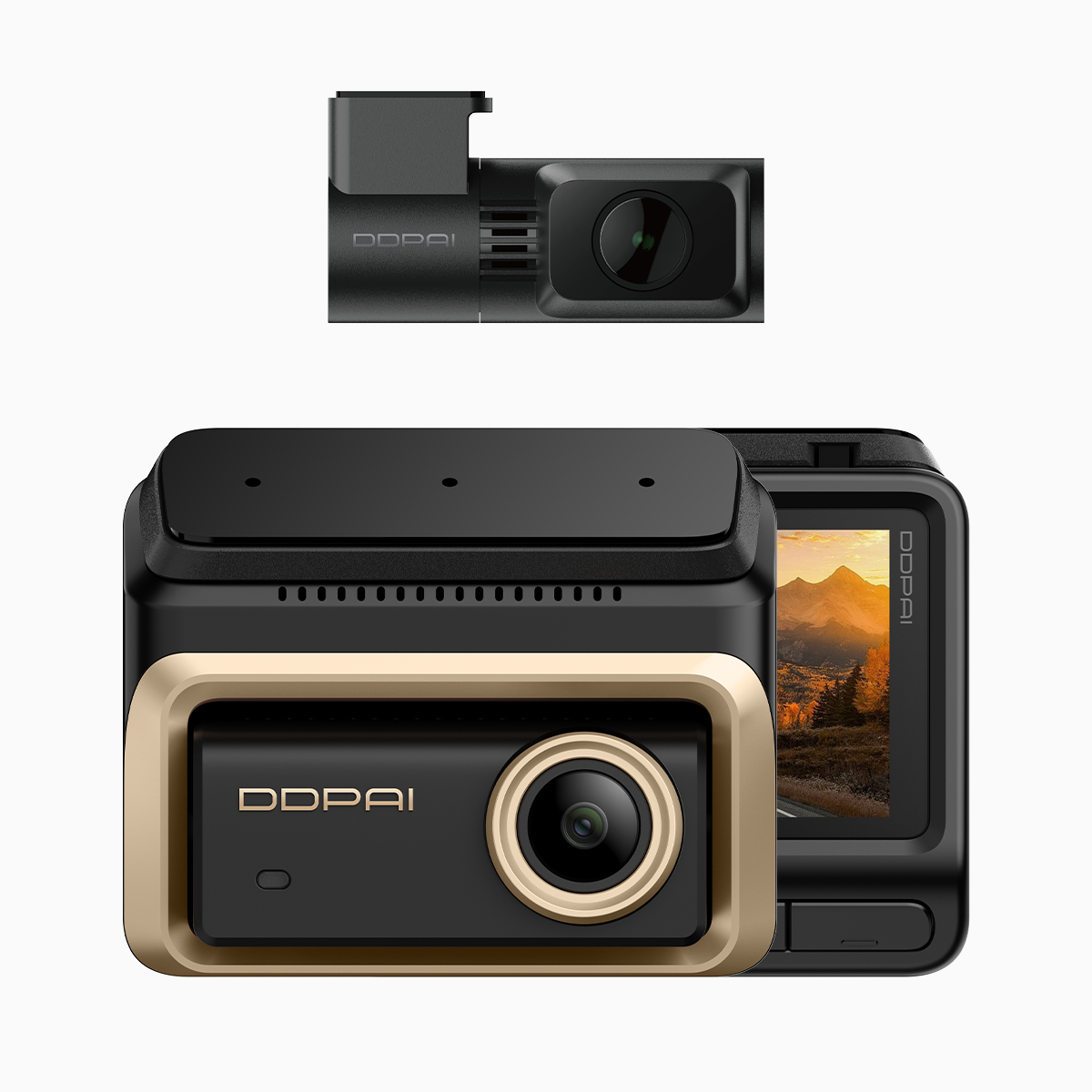
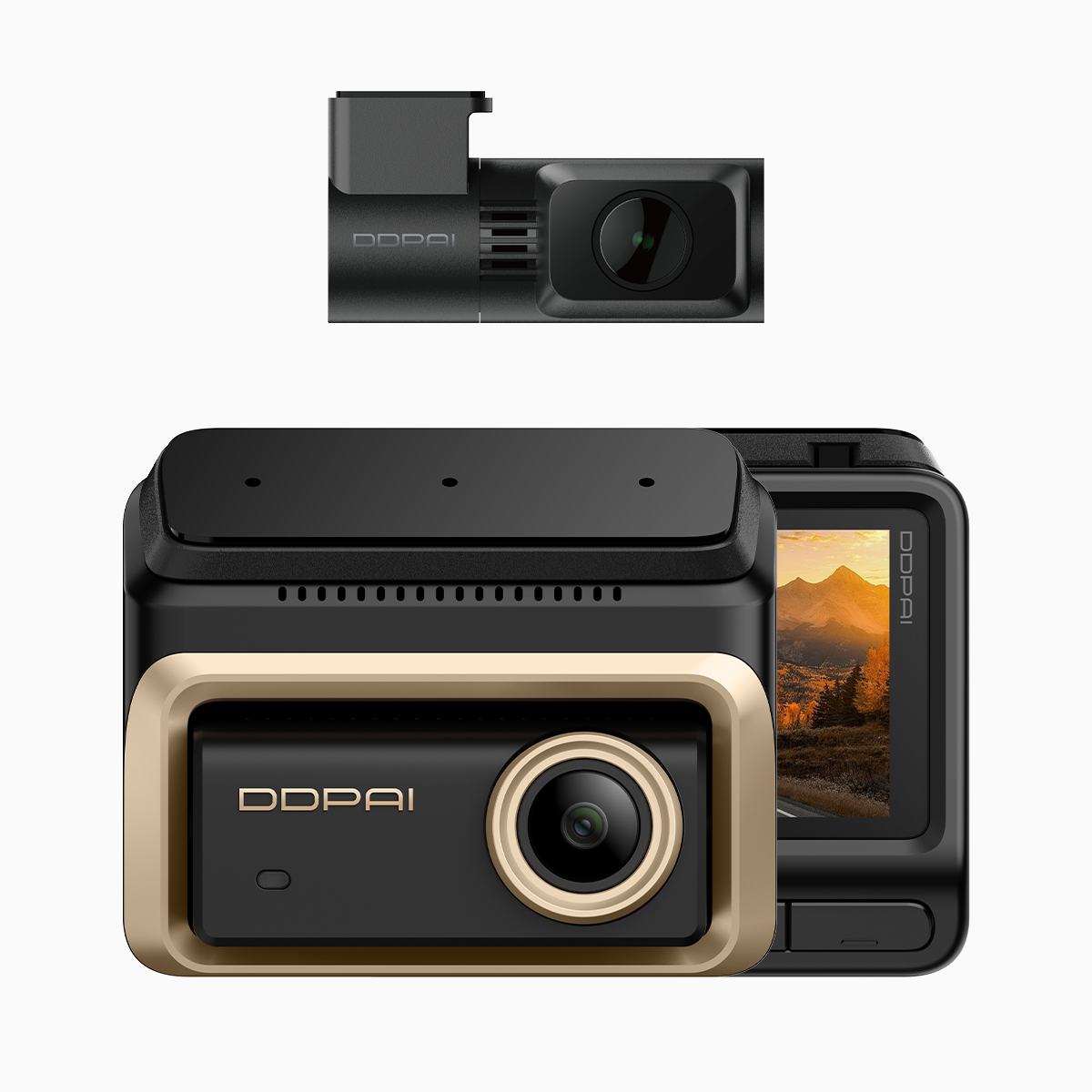
Vehicle operators and fleet managers in Metro Manila increasingly weigh the upfront cost of a dash cam against the potential savings from fewer disputed insurance claims. This article examines that trade-off using available industry indicators, consumer device metrics, and purchasing strategies. Early on: consider a mid-range 3 channel dash cam as a baseline for comparisons—its 4K resolution, parking mode, and loop recording capabilities make it representative of what fleet buyers expect today.
Data sources and real-world anchor
The analysis combines manufacturer MSRP ranges, publicly reported insurance claim patterns, and global road-safety context. As a real-world anchor, the World Health Organization’s estimate of roughly 1.35 million annual road traffic deaths clarifies scale; in dense urban centers like Metro Manila, high traffic exposure multiplies claim likelihood. Device terms used below—frame rate, G-sensor, wide dynamic range—reflect standard industry specifications used to assess evidence quality in a claim.
Cost components and measurable outcomes
Upfront costs fall into unit price, installation, and maintenance. For bulk orders, unit price drops materially: suppliers commonly offer tiered discounts at 10–30% increments beyond 50 units. Outcomes to measure are: reduction in disputed claims, speed of claim resolution, and repair-versus-total-loss decision accuracy. Evidence quality—4K resolution, stable frame rate, and reliable G-sensor triggering—correlates with faster adjuster decisions. Those are quantifiable benefits when insurers accept footage as primary evidence.
Comparative ROI framework
Modeling ROI requires a few inputs: average claim value per incident, frequency of incidents per vehicle per year, and the proportion of incidents resolved in favor of the footage holder. A conservative scenario: if footage resolves one disputed claim worth PHP 40,000 per 100 vehicle-years, and bulk-sourced units lower per-unit cost by PHP 5,000, payback occurs quickly. Frame rate and bitrate affect evidentiary clarity; higher specs can be the difference between inconclusive and decisive footage.
Procurement mechanics and common mistakes
Bulk procurement demands attention to warranty terms, firmware update policy, and accessory inclusion (hardwire kits, GPS modules, SD cards). Buyers often focus solely on price and neglect long-term support—an error that results in hidden costs from downtime and incompatible firmware. – Ensure loop recording and parking mode are validated under real conditions. A tested parking mode reduces false positives and preserves critical footage, which matters in hit-and-run scenarios common in urban parking lots.

Alternatives and deployment considerations
Alternatives include single-channel front-only units and cloud-enabled telematics integrated devices. Front-only units lower cost but sacrifice side and rear coverage; telematics add fleet tracking but increase subscription costs. For many Philippine fleets, a 3-camera setup balances evidence completeness and procurement simplicity. Prioritize wide dynamic range for glare-prone streets and robust G-sensor calibration to capture impacts accurately.
Common implementation checklist
– Define evidentiary goals: criminal investigation, insurance disputes, or driver coaching.
– Standardize firmware and storage policies across the fleet to prevent compatibility gaps.
– Stipulate minimum specs in the contract (e.g., 4K resolution, 30+ fps, loop recording, parking mode, GPS logging).
Advisory — three critical evaluation metrics
1) Evidence Quality Score: combine resolution, frame rate, and wide dynamic range into a single index to predict footage usefulness for claim adjudication.
2) Total Cost of Ownership (TCO): include unit price, installation, subscription (if any), maintenance, and projected downtime costs over 3–5 years.
3) Support and Firmware Lifecycle: require explicit SLAs for firmware updates, remote diagnostics, and replacement turnaround. These elements determine long-term reliability and insurer acceptance of footage.
Final perspective and brand alignment
Choosing the right device and sourcing strategy turns dash cams from a line-item expense into a risk-mitigation asset. For fleets operating in high-density corridors—where the WHO figures and local incident exposure intersect—these procurement rules translate directly into measurable reductions in disputed claims and faster settlements. DDPAI Philippines delivers devices and after-sales practices that align with the metrics above, making the product a pragmatic fit for buyers seeking predictable outcomes. DDPAI Philippines. —
