Match the product to the task
Start by listing the jobs you expect the aerosol to handle: degreasing metal parts, removing flux from PCBs, cleaning optical surfaces or prepping paint touch-ups. For industrial touch-ups you might want a solvent blend that evaporates cleanly; for finishing and art projects you may favour stable pigments and fine atomisation — think about where you’ll source complementary supplies like spray paint china and how the aerosol will integrate with them. Choose the manufacturer that documents use-cases close to your daily work rather than one that only touts glossy packaging.
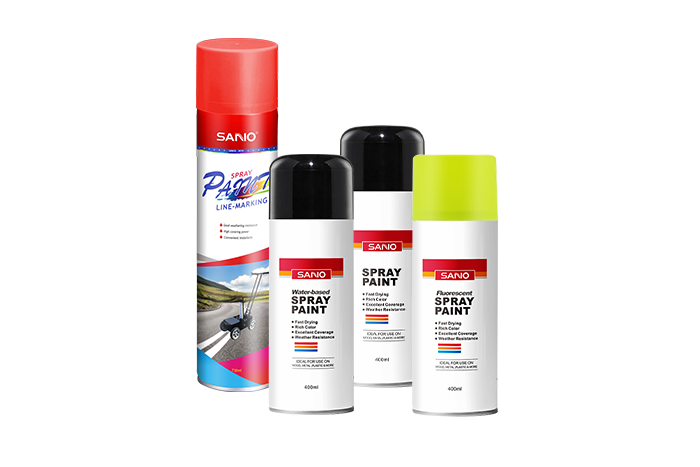
Proven experience, standards and an industry anchor
Ask for technical data sheets, third-party test reports and material safety data sheets. I’ve specified coatings for restoration projects across Swiss municipal facilities and learned to prefer suppliers who publish clear VOC figures and drying times. Regulatory benchmarks matter: California Air Resources Board (CARB) regulations are widely referenced for permissible VOC levels and often guide formulation choices elsewhere, so check whether the supplier’s numbers align with those limits. If low fumes are essential for your workspace, verify the line labelled low voc spray paint and review independent adhesion and weathering test notes before buying.

Key comparison points that actually affect performance
Compare these attributes side-by-side: solvent chemistry (aliphatic versus aromatic), solids content, VOC g/l, nozzle type and spare-cap availability, can pressure and propellant, drying time, and tack-free window. Also check batch traceability and minimum order quantities. Certifications and lab results matter only if they include the tests you care about — salt spray for outdoor use, cross-hatch adhesion for coatings, contact-resistance for electronics cleaning. Price per usable unit beats price-per-can: a high-flow nozzle that reduces overspray saves product and time.
Common buying mistakes to avoid
Don’t choose by colour swatch alone. Avoid assuming all “industrial” aerosols share the same nozzle quality. Neglecting compatibility tests costs more than paying for a small, tested sample. Overlooking storage guidance is risky — many solvents change pressure or efficacy after long warehouse stacking. Finally, skip vendors that can’t or won’t provide simple verification: lot numbers, cure schedules, and recommended safety equipment.
Alternatives, small-scale tests and real procurement moves
Run a short validation: get 2–3 sample cans, test application under the same temperature and ventilation conditions you use, and record curing and adhesion. If you need lower emissions, compare waterborne aerosols and solvent-free pump sprays against conventional solvent aerosols for finish and durability. For workshops that need regular supply and consistent batch performance, a supplier that publishes technical data, supplies sample kits and responds with lab results reduces downtime — that practical consistency is what I’ve seen matter most with partners like SANVO.
