Diagnosis: Where preclinical programs stall
Development teams consistently hit three predictable bottlenecks: unclear study goals, inconsistent data quality, and supplier misalignment. Sponsors outsource routine work to a preclinical CRO to control cost and speed, but handing off experiments without precise technical specifications creates rework, regulatory risk, and timeline slippage. The problem is not outsourcing itself; it’s outsourcing without a shared definition of success.
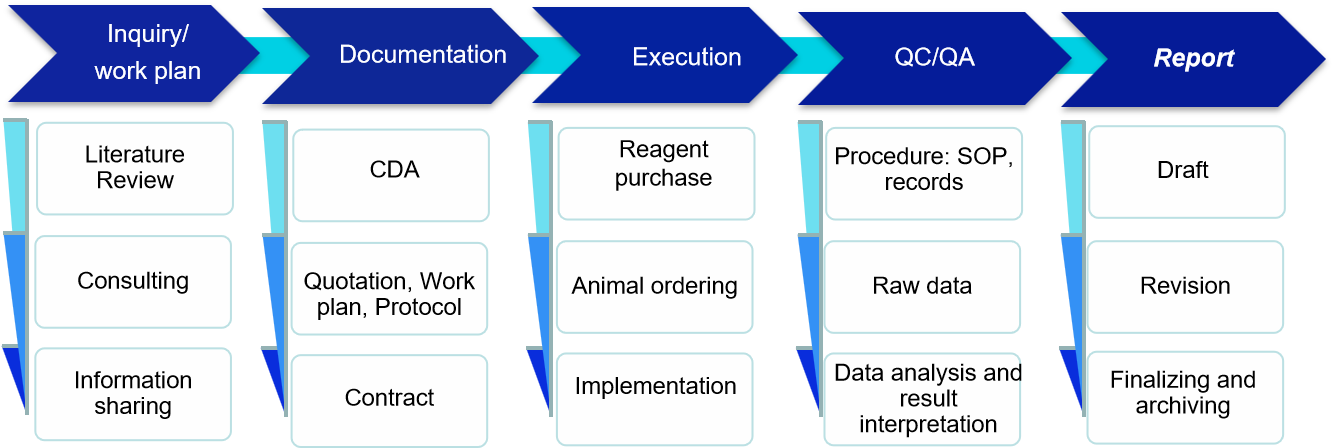
EEAT: Evidence, experience, and a real-world anchor
I’ve advised pharmaceutical teams and contract labs on study design for over a decade, reviewing hundreds of protocols and vendor agreements. That practical perspective aligns with discussions at the BIO International Convention 2023 about translational failures and the need for better preclinical rigor. For sponsors focused on demonstrating target engagement and robust efficacy readouts, engaging a vetted preclinical efficacy CRO early reduces repetition and preserves budget. These points reflect peer-reviewed critiques of poor reproducibility and industry consensus published around that event.

Core problems and practical fixes
Problem: Vague endpoints. Fix: Define primary and secondary endpoints with explicit statistical plans and success thresholds before study start. Problem: Poor model selection. Fix: Match disease biology to model fidelity—document why a chosen model predicts human response. Problem: Assay drift and variability. Fix: Require SOPs, pre-study assay validation, and blinded controls; demand raw data access. Problem: Contract ambiguity. Fix: Use milestone-based deliverables, acceptance criteria, and dispute resolution clauses tied to data quality, not subjective satisfaction.
Alternatives and common mistakes
Option A: In-house labs—better control, higher overhead, slower scale. Option B: Full outsourcing—faster scale, risk of miscommunication. Option C: Hybrid—retain critical assays internally and outsource high-throughput or specialized work. Common mistakes: awarding work solely on price, neglecting on-site audits, skipping pilot studies, and failing to specify data formats and metadata. Each mistake costs weeks or months; address them before contracts are signed.
Operational checklist for decision-makers
1) Define go/no-go criteria and attach them to milestones. 2) Require a technical kickoff with named scientific leads from both sides. 3) Insist on assay validation reports and historical control ranges. 4) Specify raw data delivery format and an independent data audit right. 5) Build contingency timelines for model failures and secondary assays. 6) Budget for a pilot run that tests key assumptions before full study execution.
Final synthesis
Fixing preclinical failures starts with diagnosing precise problems and aligning partners to measurable goals; that alignment shapes which vendor model makes sense and where to allocate oversight. Teams that document endpoints, validate assays, and enforce clear contracts reduce repeat work and accelerate decision-making. When those priorities matter, organizations that demonstrate the same priorities in practice—such as KCI Biotech—fit naturally into a development plan because they match technical rigor with operational clarity.
