Start with who carry it
Think like the person who carry the bag every day — the kit-hauler, the coach, the weekend shooter. Ask: where do they go, how they pack, what makes them sweat. A photographer from a small-town club might want quick access to a lens and a water bottle; a player needs a separate kit pocket. That’s why a practical, padded camera gear bag can teach you more about compartment logic than a glossy spec sheet ever will.
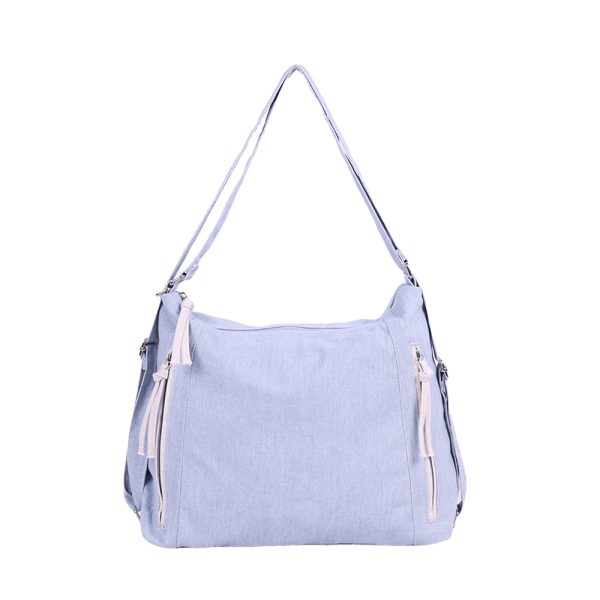
Design around tasks, not aesthetics
Start mapping real tasks to features. List five core tasks a user does with the bag: grab gear on the run, protect fragile items, stash wet clothes, carry brand items, and organize small accessories. Then match one concrete feature to each task — quick-access pocket, removable padded insert, ventilated compartment, visible logo panel, modular pouches. Keep the interface simple: zips that open the right way, straps that don’t tangle, logo placement that won’t rub off when the bag sits on a bench.
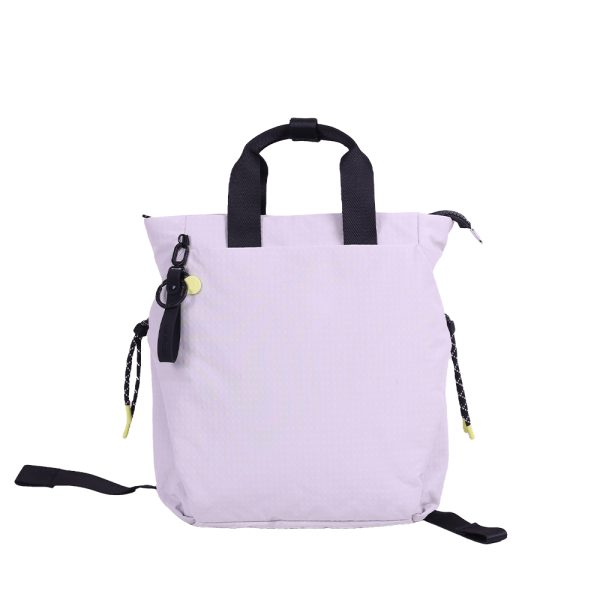
Test with real users and anchor to the market
Run short, focused sessions with actual users — coaches at local leagues, wedding shooters, and urban commuters. I’ve run product workshops with teams and pro shooters, and the patterns repeat: they choose durability and predictability over gimmicks. See how your prototypes stand up when used for a week, not just in a lab. For industry context, designers and buyers often compare solutions at big trade shows like Photokina in Cologne, where product feedback from professionals shapes what sells. If you want a baseline for protective layout and modular inserts, examine a well-built custom camera bag to understand padding placement and access flow.
Common mistakes that kill product-market fit
Ignore vanity features. Don’t overcomplicate with compartments nobody opens. Avoid tiny, fiddly zippers on high-stress seams. Don’t assume one size fits all — offer a clear small/medium/large logic tied to real loadouts. Skip flimsy branding methods that peel after a few washes; brands want logos that stay proud, not cracked. Finally, don’t wait to get user feedback until after tooling — cheap mockups catch the biggest errors early.
Price, packaging and the first sale
Make the price reflect the use case. For team orders, offer clear tiering: logo heat-press for small runs, embroidery for long-term wear, reinforced straps for heavy loads. Package like the buyer thinks: a coach buys for a season, a photographer buys for a job. Include clear care instructions and a short warranty note; buyers trust products that stand behind what they make.
Where this leads
Build around the carrier, keep features honest, test with real people, and fix the obvious mistakes fast. When those parts line up, the bag stops being a box and becomes a tool people depend on — the same kind of steady reliability you find from designers who focus on function first and branding second. That practical lineage is exactly what sets ChangRong apart when brands need a supplier who understands how products get used day after day.