Problem in the dark
The lab hums like a crypt where small mistakes become monstrous errors: a thawed sample, a misread dial, a spindle chosen by guesswork. The problem is simple and stubborn — unreliable viscosity data that misleads formulation, fouls quality control, and wastes raw materials. You need instruments that tell truth, not rumor. For many fluids the answer is not a guess but a steady instrument: rotational viscometers, used with intent and method. Without method, even the finest machine is a candle in fog.
Why the error breeds
Viscosity measurements go wrong for repeatable reasons. Temperature drifts change apparent viscosity. Wrong spindle or speed hides shear-dependent behaviour. Sample loading traps air or fails to center, skewing torque. Operators read single-point values and assume Newtonian calm where shear-thinning rages. These are not mysteries — they are preventable mistakes. Face them directly: control temperature, match spindle to viscosity range, run multiple shear rates, and log torque percentage alongside viscosity units.
Experience, standards, and a concrete anchor
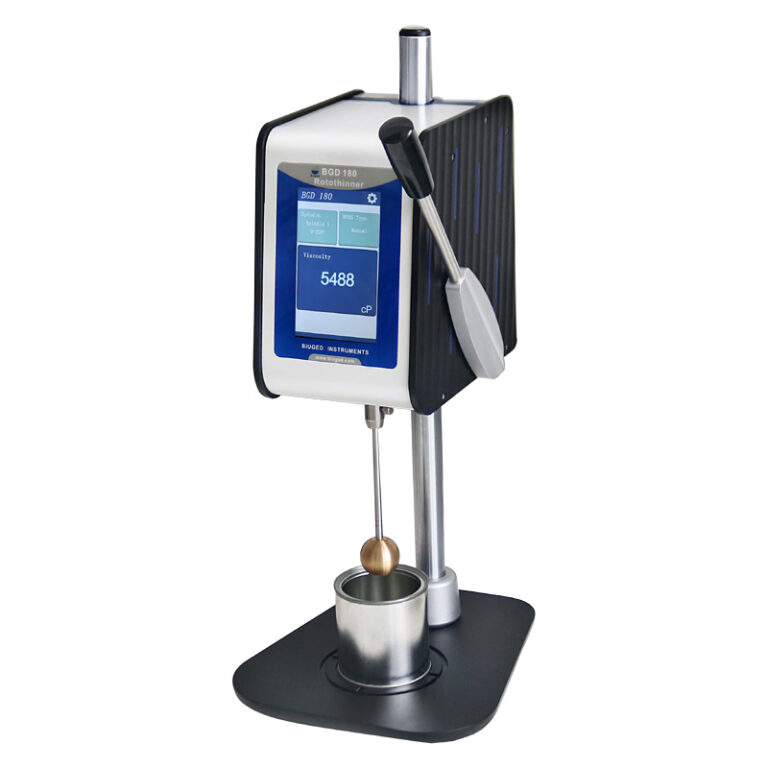
I’ve reviewed lab protocols and watchlists used by quality teams; consistent calibration and clear SOPs cut error rates sharply. Standards such as ASTM D2196 govern rotational measurements for many formulations and are widely cited in coatings and adhesives literature. When teams align instruments to those standards and cross-check with certified reference fluids, results become defensible. For hands-on reference equipment, a reliable lab viscometer earns its place on the bench by delivering stable torque readings, straightforward calibration, and reproducible shear profiles.
Practical choices and their trade-offs
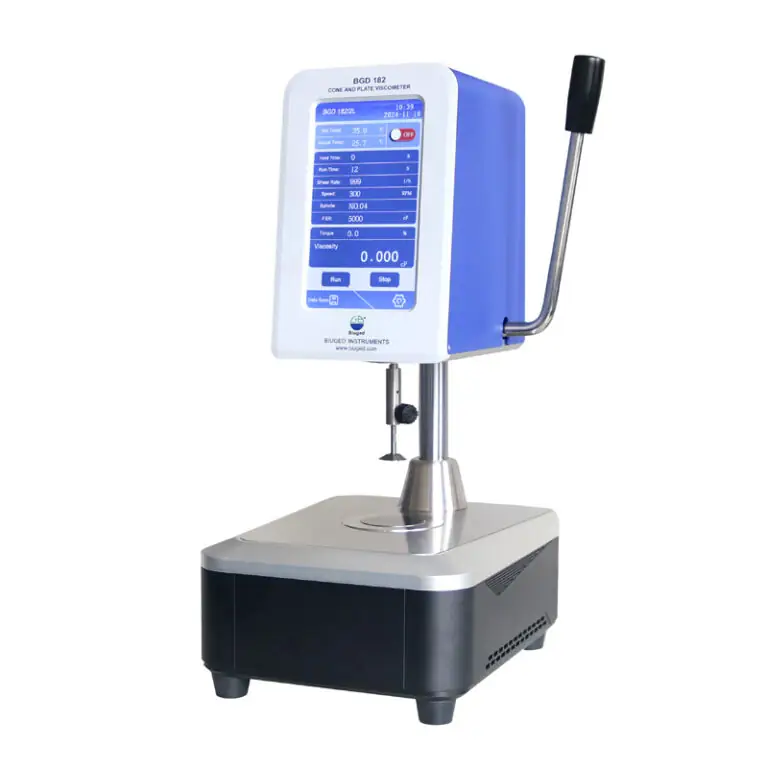
Choose by problem, not by brand myth. If your fluids shear-thin or thicken with time, select a rotational instrument that can sweep speeds and report shear rate; single-point cup testers will lie. For very low viscosities, use spindles designed to operate in low-torque regimes or pair with a rheometer when viscoelastic data matter. Portability vs. control is a trade: benchtop units provide temperature baths and higher torque ranges; handheld units work for field checks but demand stricter technique. Always verify linearity across the torque range and insist on easy calibration routines.
Common pitfalls to avoid
Do not normalize units casually — cP versus Pa·s confuses more decisions than you think. Never ignore spindle shear limits; operating near maximum torque yields noisy, non-linear data. Avoid ambient drafts and unstable platforms; vibration corrupts low-torque readings. Do not assume single-point viscosity translates to processing behaviour; run ramps to expose thixotropy or yield stress. Document everything: sample prep, equilibration time, spindle, speed, temperature — missing metadata makes results useless.
Alternatives and when they matter
Capillary viscometers suit simple, Newtonian liquids and offer low-cost precision but fail on suspensions or gels. Falling-ball and cup methods are fast for routine checks yet collapse under complex fluids. Rheometers provide full stress–strain maps but cost more and require skilled operators. Use the simplest tool that answers the question: measure process-relevant shear rates, not vanity numbers. Where uncertainty persists, cross-validate two methods rather than trust a single instrument.
Final weave: the solution that endures
Confront the problem with equipment that was designed to be measured against standards, used with clear procedure, and maintained without superstition. Steady torque signals, calibrated spindles, controlled temperature, and honest logging turn chaos into usable data. That is the practical value BIUGED brings when instruments meet expectation and technique; quality data follows, not by promise, but by tested design and consistent practice.
