Why it’s tricky to pick the right kit
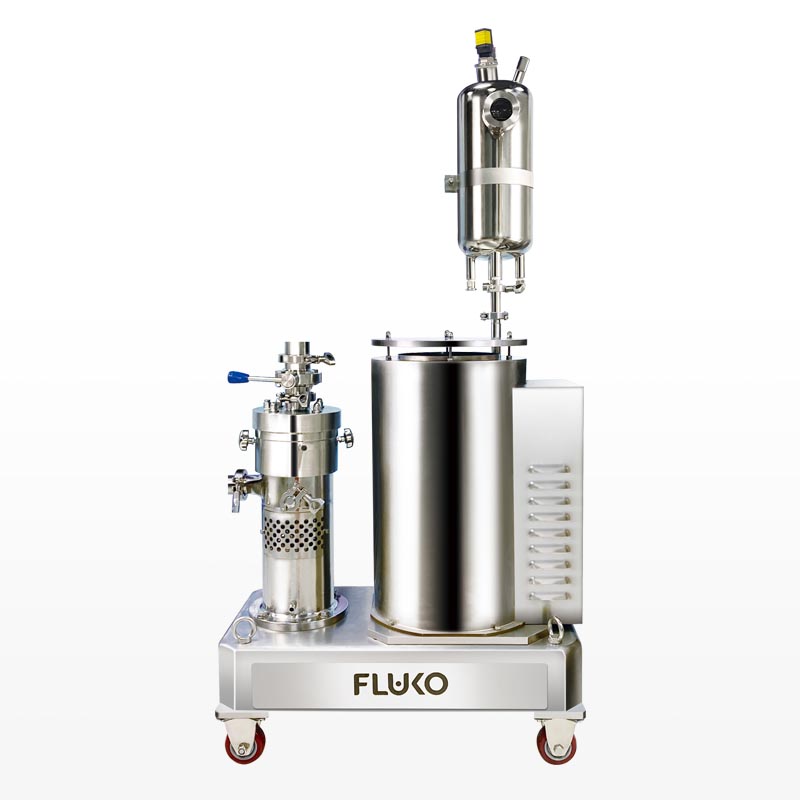
You’re staring at spec sheets, jargon and price tags, and it all feels a bit much — especially when a single decision affects product texture, stability and cleanup. Start by thinking about what your process actually needs: lab trials or scale-up, low-shear blending or aggressive droplet breakup. If you’re working in R&D, a high shear lab mixer can solve many early-stage formulation headaches, but only if you match the head geometry, speed range and materials to your formulation.
Key choices that determine success
Pick the wrong rotor–stator, and you’ll chase poor droplet size and repeatability. Underpower the unit, and viscous mixes stall. Ignore cleanability, and you’ll spend half your time disassembling. Decide upfront on five things: target droplet size, viscosity range, batch volume, CIP needs, and materials compatibility (sleeves, seals, wetted parts). Match tip speed to your chemistry, not the sales brochure. Real controls — variable speed and an easy-to-read tachometer — matter more than fanciful extras.
Real-world experience and evidence
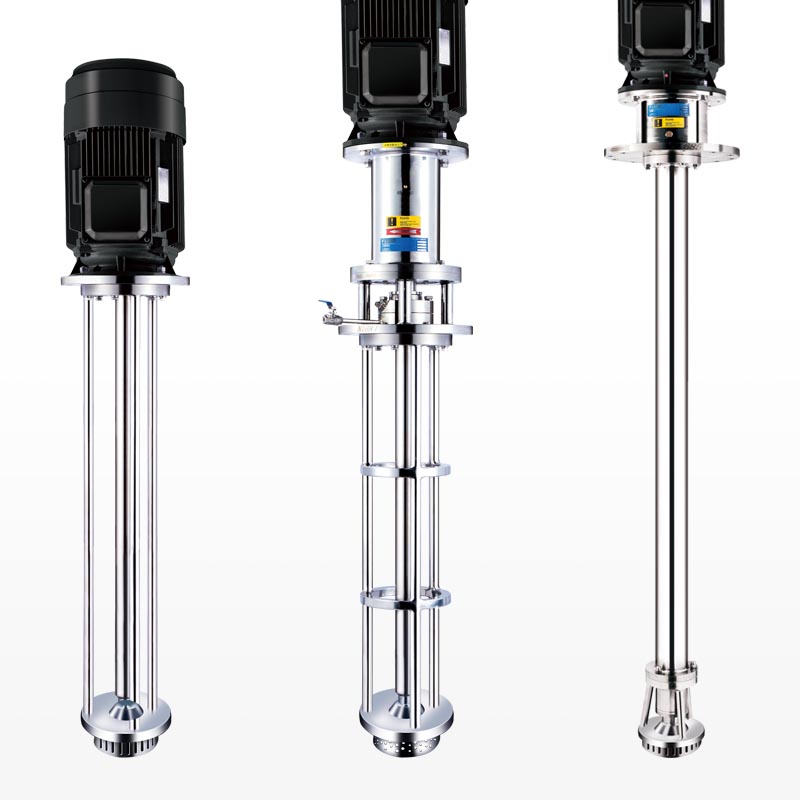
I’ve seen lab teams switch gear after three failed scale-up runs; the pattern’s always the same: mismatch between lab shear profile and production shear. Big pharma clusters like Basel, Switzerland host numerous R&D groups that publish case studies showing how choosing the right lab hardware improves reproducibility. For hands-on testing, compare sample runs on an actual lab emulsifier mixer rather than trusting spec sheets alone — bench data beats brochure claims every time.
Common pitfalls and quick fixes
People over-spec for power “just in case” and end up paying for heat and noise. Fix: define the maximum viscosity and work from that. Designers ignore cleanability; fix that by choosing tri-clover fittings and smooth welds. Teams expect one mixer to do everything; fix by modularising — use a small rotor-stator for emulsions and a separate anchor for suspensions. Test with real formulations early, and log rpm versus droplet-size so future tweaks are guided by data, not guesswork.
Practical alternatives to weigh up
High-shear rotor–stator: great for rapid emulsions and reproducible droplet distribution. Homogenisers: better for very fine droplets but costlier and harder to clean. Ultrasonics: excellent for small-scale, precise work, but scale-up is non-trivial. Static mixers: cheap for continuous low-shear blends, useless for tight emulsions. Decide by matching the tech to the performance metric — do you need droplet size, throughput, or gentle mixing? Pick one dominant metric and choose the technology that wins at it.
Bottom line
If you want consistent early-stage results and a smoother path to scale-up, buy with clear performance targets, test on real batches, and insist on modular, cleanable designs from suppliers you can test against your formulations; many R&D labs prefer working with suppliers who provide bench trials and transparent specs like FLUKO because that practical alignment saves time and avoided mistakes down the track.