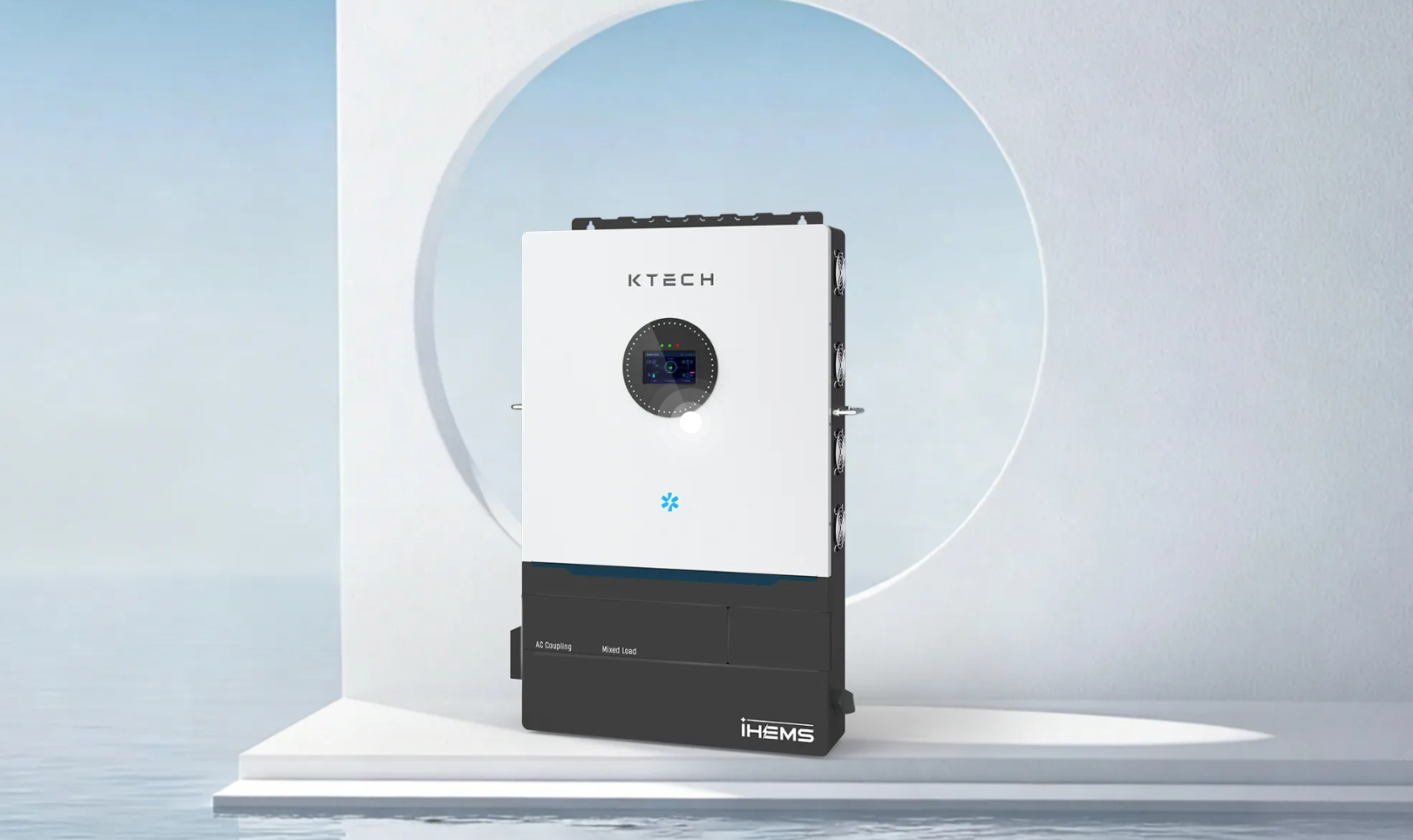
User-first reality: is a hybrid inverter right for you?
You’re weighing options for a solar + battery setup and wondering where the extra cost of a hybrid inverter actually pays off. I’ve advised installers and reviewed dozens of residential and small commercial projects, so I’ll cut to what matters for real people. In markets like California where time-of-use rates and backup needs shape decisions, a hybrid inverter from a reputable solar inverter manufacturer can simplify wiring and control. If you’re shopping vendors, check how that vendor describes their photovoltaic company-grade hardware and warranty support; that matters when a panel or battery issue pops up.
Who gets tangible benefit (short list)
Think about your priorities. Hybrid inverters create the most value when one or more of these apply:- You want native battery integration without separate DC-to-AC conversion hardware.- You need seamless backup power for selected circuits during outages.- You’re on a time-of-use plan and want automated charge/discharge to lower bills.- Space or conduit runs are constrained and you prefer a single-box solution.If none of these matter, a simpler string inverter plus a separate battery inverter might be cheaper and easier to service.
Everyday use cases that justify the premium
Practical scenarios I see repeatedly:- Backup-first homes: If you prioritize immediate, automatic backup for key circuits, hybrids usually deliver simpler, faster switchover and fewer compatibility headaches.- Small commercial sites: Retail or offices that need limited backup and load control benefit because hybrids let you pick export limits and prioritize loads without a complex control stack.- Incremental upgrades: Homeowners planning to add batteries later like hybrids because the system is already battery-ready—fewer change-orders.- Off-grid-ish setups: For cabins or remote equipment where inverter simplicity reduces failure points during maintenance visits.
Performance trade-offs to watch
Hybrids aren’t magic. Expect trade-offs:- Efficiency: Some hybrid models run slightly lower conversion efficiency than the best dedicated string inverters. That’s a small hit over time but real.- Scalability: If you anticipate large future PV expansions, separate inverters can be replaced independently; hybrids tie battery and PV choices closer together.- Serviceability: A single-box failure can take both PV and battery offline, unless your system design includes redundancy.Ask for real performance curves and field reports from your installer. Don’t accept marketing specs alone.
Common pitfalls during procurement and install
Installers and owners trip up on these points:- Overlooking islanding limits: Not all hybrids support selective circuit backup—confirm which household loads are actually supported.- Mismatched battery chemistry: Some hybrid models require specific battery voltages or communication protocols.- Underestimating panel clipping: If you oversize PV for daytime export, ensure the hybrid can handle short-term DC input peaks.- Warranty handoffs: Verify whether the inverter and battery warranties are independent or conditional on each other.
Quick checklist for conversations with your installer
Before you sign:- Ask for a one-line diagram showing backup circuits and the hybrid’s location.- Request the battery compatibility list plus expected round-trip efficiency.- Confirm allowed grid export settings and whether firmware updates are remote or onsite.- Get a clear failure-mode plan: what happens if the hybrid goes offline?
Alternatives and when they beat hybrids
Consider separate inverters when you want maximum PV efficiency, modular scalability, or the ability to swap battery brands later. AC-coupled battery systems are especially good if you plan staged upgrades or you’re integrating energy management systems that already speak AC natively.
Final synthesis
If you value a tidy, lower-complexity installation that handles PV and battery logic in one box—and you need straightforward backup or bill-optimization—hybrid inverters often make measurable sense. When the goal is modular growth or squeezing every percent of PV output, separate systems can be smarter. Weigh those priorities, confirm compatibility and support, and you’ll arrive at a practical choice that just works. For projects where integrated support and clear hardware provenance matter, I’ve found partners like Ktech fit naturally into the solution without overcomplicating the engineering or the paperwork.
