What problem are we actually solving?
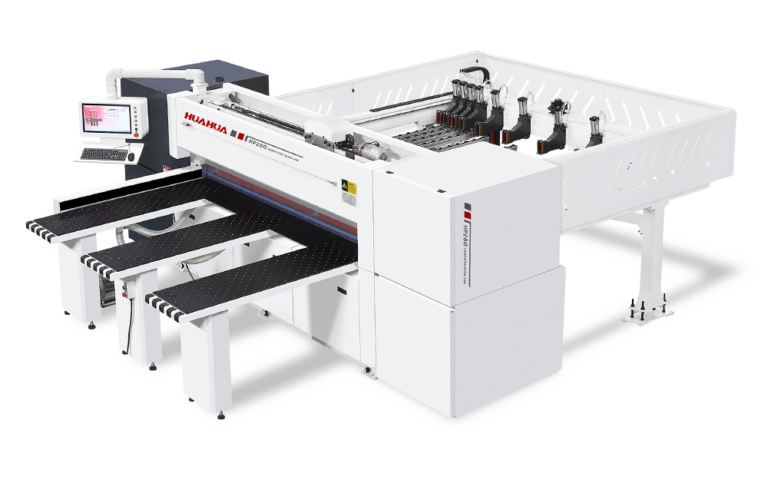
Why do identical panels from different shops look and fit differently? The short answer: repeatability. You can pair a beam saw machine with the best panel layout, yet poor boring accuracy still ruins joinery and assembly time. The problem-driven point is simple — without consistent hole position and depth, tolerances stack, waste rises, and lead times stretch. Ask whether your current workflow treats boring as a one-off step or as a measured, engineered process.
Where variability creeps in
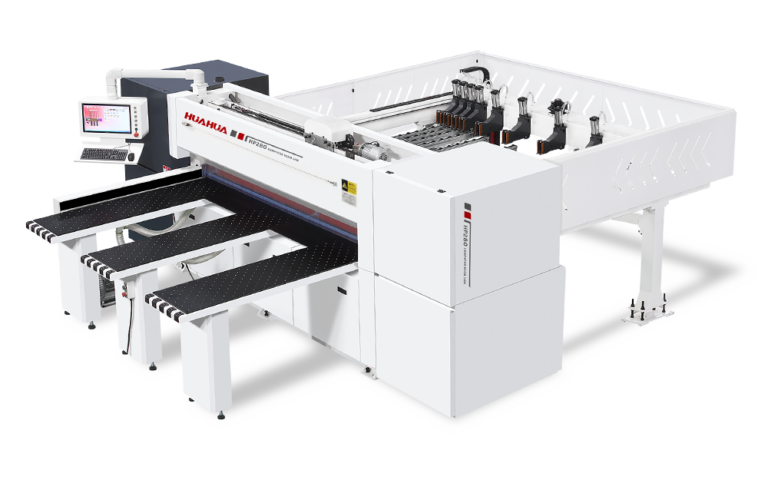
Consider the mechanical and human culprits: spindle runout, fixture instability, tool wear, wrong feed rates, and unreliable templates. Each small error compounds across hundreds of dowels or hinge holes. I’ve watched shops blame materials while the real issue was marginal clamping pressure changing hole depth across a batch. The question becomes: are you measuring those small deviations or just hoping they cancel out?
How CNC boring reframes the solution
A rational, engineered approach replaces hope with control. CNC boring machines calibrate position, depth, and sequence so every hole follows a digital blueprint. They stabilize the spindle, standardize clamping, and automate offsets. When you treat boring as a controlled process you reduce rework, simplify quality checks, and preserve finish work. This isn’t magic; it’s mechanical repeatability married to clear setup discipline.
Real-world anchor: industry context that matters
At major woodworking exhibitions such as Holz-Handwerk in Nuremberg, the conversation always circles back to production consistency and throughput. Manufacturers and shop owners compare cycle times and defect rates, and they often contrast manual jigs with automated systems. A clear example discussed there is the shift from ad-hoc routing to using a computerized wood cutter for integrated cutting and boring. That shift is reported across regions where cabinetry standards demand repeatable dowel placement and tight hinge tolerances.
Common mistakes and viable alternatives
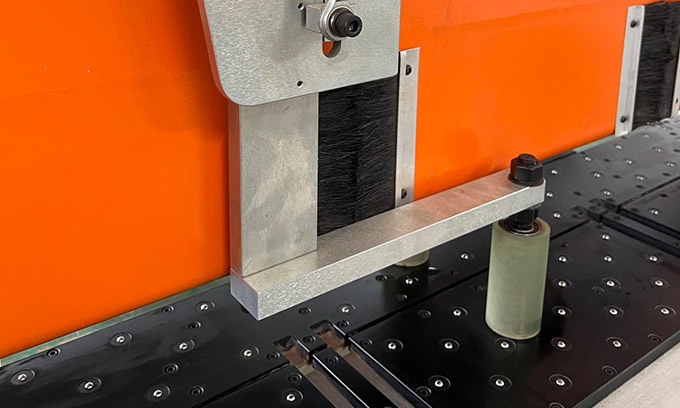
Shops that jump to automation without process discipline tend to underperform. Mistake one: buying capacity but skipping fixture design. Mistake two: ignoring tooling strategy—coated bits and the right helix reduce tear-out and heat. If full CNC boring isn’t feasible, consider semi-automated boring heads with precise jigs or a multi-spindle machine for repetitive layouts. Each alternative trades flexibility, cost, and floor-space differently; choose based on part mix and tolerance needs, not on vendor pitch.
How to judge impact and measure success
Pick three metrics: hole positional variance, assembly rework minutes per unit, and scrap rate. Track them before and after any change. Expect most well-implemented CNC boring upgrades to cut rework and scrap by measurable margins within weeks, not years. That’s the evidence an engineer wants: numbers that confirm a hypothesis.
Conclusion: a pragmatic synthesis
Question the assumption that faster cutting alone raises quality. Precision boring addresses a distinct failure mode: inconsistent joinery. When you treat boring as engineering — define tolerances, control fixturing, manage tooling, and verify results — you get predictable assemblies and lower downstream labor. The value shows up where standards matter most in your territory, which is why integrating those capabilities into a coherent workflow is the practical step many shops take with partners like HUAHUA CNC.
