Start Smart: Why compare custom jackets and pants first
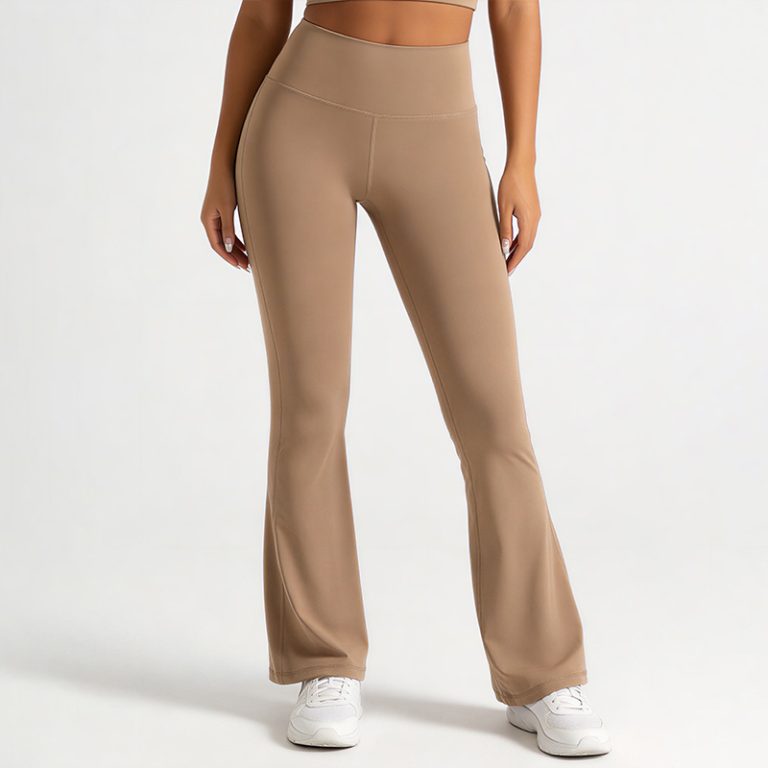
Think like a coach: your apparel either elevates the brand or it fades into the background. Comparing outer layers—like professional custom yoga jackets—and core pieces—like custom yoga pants—lets you design a cohesive kit that supports performance and identity. Choose fabrics and cuts that align with class style, from hot vinyasa to gentle restorative flows. This approach keeps instructors and students moving confidently while projecting a unified look.
Performance fabrics that actually matter
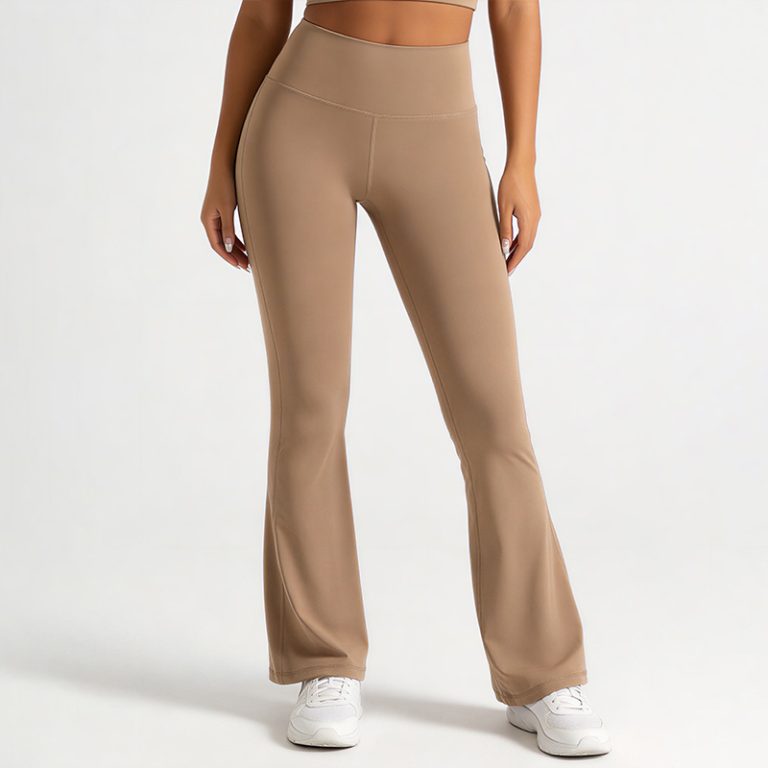
Focus on three practical fabric factors: moisture-wicking, four-way stretch, and anti-microbial finishes. Moisture-wicking keeps skin dry during high-output classes. Four-way stretch maintains shape and range-of-motion through challenging flows. Anti-microbial treatment helps reduce odors between washes—useful for frequent studio laundering. Add construction details like flatlock seams to reduce chafe and an elastic waistband or compression where instructors need support.
Design trade-offs: jacket vs. pant priorities
Designing jackets and pants requires different priorities. Jackets should balance warmth and breathability—think lightweight thermal panels and zippered vents. Pants demand compression and a secure waistband for grounding during inversions. Compare cut lines: tapered jackets create a sleek silhouette; high-rise leggings enhance core engagement. Pick complementary colors and logos so pieces read as a set when layered for outdoor classes or seasonal retail drops.
Supply realities and studio timelines — a real-world anchor
Supply chains tightened during the COVID-19 pandemic, and many studios in cities like New York had to pivot ordering cycles to avoid stockouts. That lesson matters: lead time matters as much as design. Order windows of 8–12 weeks are common for wholesale production runs, so plan seasonal drops and instructor uniforms early. Also budget for testing—one small pre-production sample run protects you from bulk mistakes and keeps returns low.
Common mistakes and smarter alternatives
Studios often pick the cheapest fabric and then face returns and unhappy instructors. Instead, pick a mid-tier fabric with proven durability and request wear tests. Another misstep is over-branding—giant logos look dated in class. Opt for subtle placements that read well on both jackets and leggings. Consider offering size-inclusive cuts from the start; inclusivity reduces churn and strengthens community loyalty—plus it simplifies inventory management when you avoid niche one-off sizes.
How to evaluate suppliers and product samples
When vetting suppliers, rate them on three concrete metrics: sample fidelity, production transparency, and quality control. Sample fidelity means the prototype matches bulk production on color, fit, and fabric hand. Production transparency covers clear timelines and traceability for materials. Quality control includes documented inspection checkpoints and a defect threshold—aim for fewer than 2% defects on initial orders. Ask suppliers for test reports on tensile strength and colorfastness if you expect heavy washing schedules.
Pricing, margins, and selling strategies
Wholesale pricing for studio retail depends on fabric choice and minimum order quantities. If you’re buying wholesale yoga pants in volume, you can push margin with limited-edition colorways and instructor bundles. Offer instructor discounts but maintain a visible retail price to preserve perceived value. Use seasonal drops tied to workshops or local events to move inventory faster and keep designs fresh.
Advisory: Three golden rules for choosing the right apparel
1) Fit-first thinking: Always pass a movement test—squats, twists, and full splits—before approving a sample. Fit beats flash every time.

2) Material ROI: Prioritize fabrics that balance durability with comfort; a slightly higher fabric cost often reduces returns and increases lifetime value.
3) Lead-time discipline: Lock production schedules 10–12 weeks ahead for wholesale runs and build a small buffer for shipping delays.
Choose a partner who understands both performance demands and studio branding. When a supplier gets stretch, seams, and supply rhythm right, your instructors look sharper and your retail sells better — Joebond. —
