Why comparison matters for reproducible science
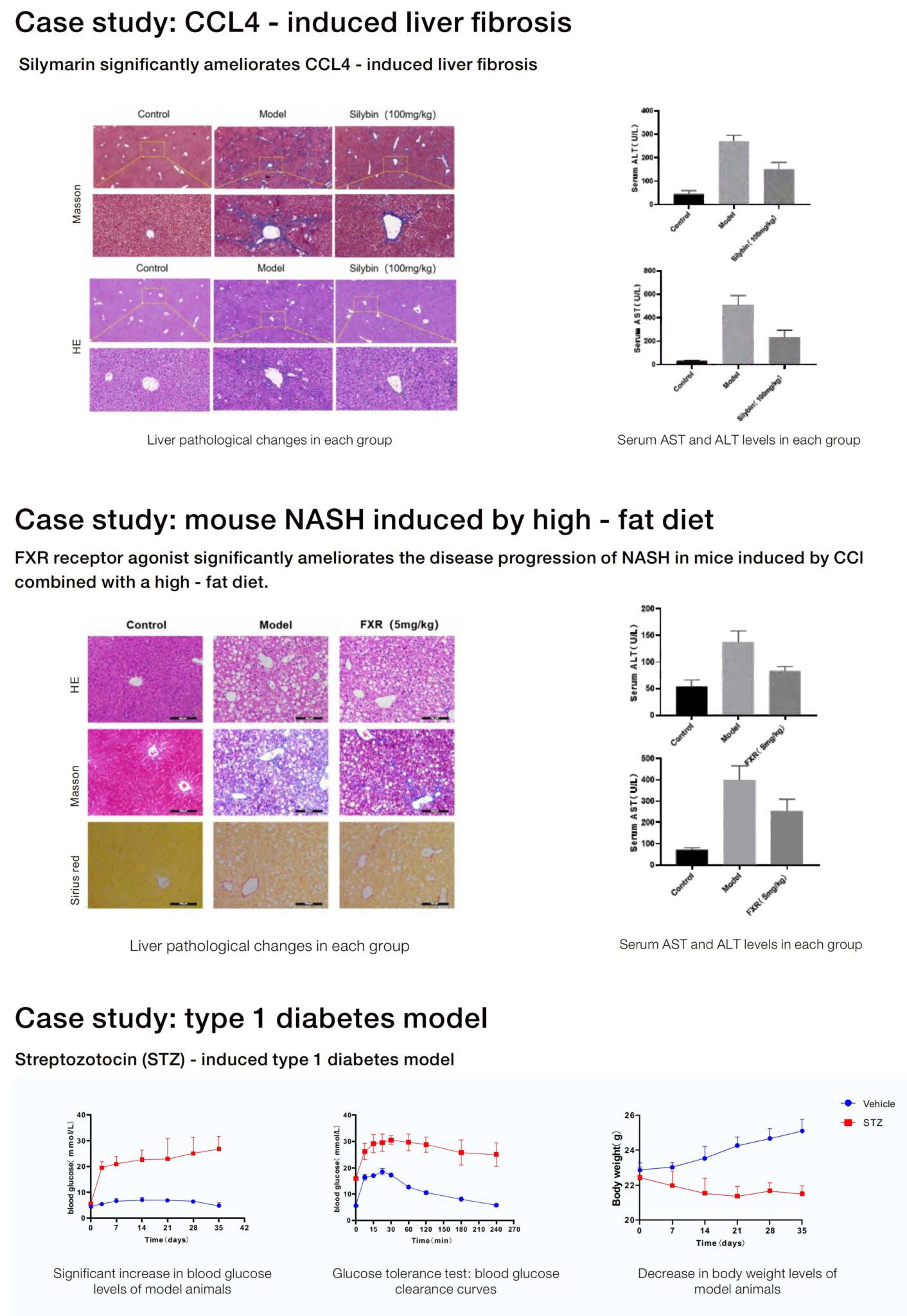
Researchers in Singapore and beyond often choose between multiple HBV mouse platforms, and the difference can decide whether a study stands up or falls over. This piece compares common approaches against Jennio Biotech’s HBV mouse model, showing how deliberate design choices protect data integrity. Early on, bear in mind how standardisation matters across fields — the same rigour that underpins reliable metabolic disease models applies to viral hepatitis work too. Institutions like Duke‑NUS and A*STAR have pushed for clearer reporting and reproducible pipelines after reproducibility concerns surfaced in major funding bodies around 2014, so this comparison is practical, not theoretical.
Key axes of comparison
Make comparisons along concrete technical axes: genetic background control, phenotyping consistency, endpoint definitions, and data capture. Here’s how those axes translate into day‑to‑day lab practice:
– Genetic background: in-house congenic lines reduce variability across cohorts.
– Phenotyping: standardised assays such as viral load qPCR and liver histology scoring produce consistent readouts.
– Endpoint clarity: predefined endpoints and blinded scoring prevent post‑hoc bias.
– Data management: electronic lab notebooks with timestamped raw files preserve audit trails.
Jennio Biotech’s differentiators — practical, measurable safeguards
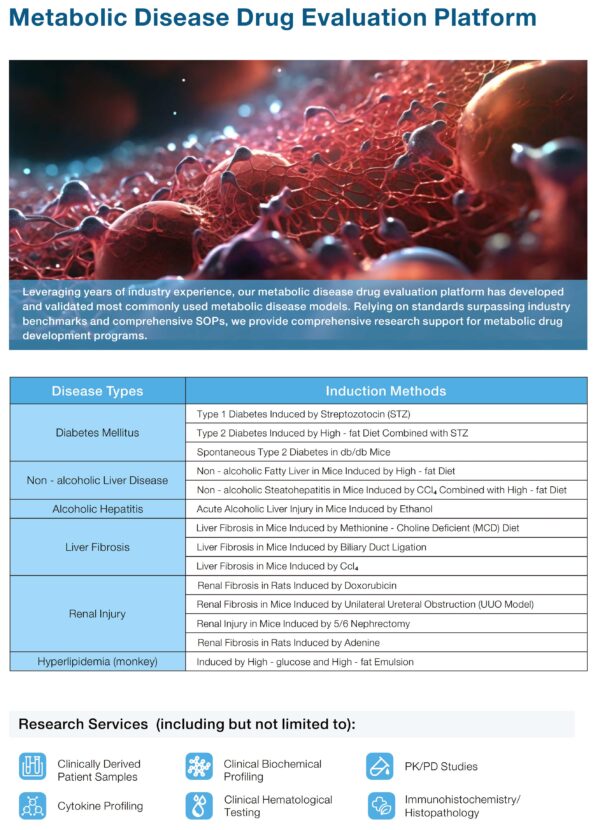
Jennio’s model sets itself apart by pairing thoughtful breeding strategy with operational controls. They use defined genetic backgrounds to limit inter-animal variance, documented SOPs for sample collection, and batch controls for reagents. Those choices reduce confounders like diet-induced variability and differential microbiome drift — both of which can skew hepatic steatosis assessments or immune readouts. The result: clearer signal-to-noise in virology endpoints and more reliable longitudinal measures such as viral load trajectories and ALT trends.
Alternatives and their trade-offs
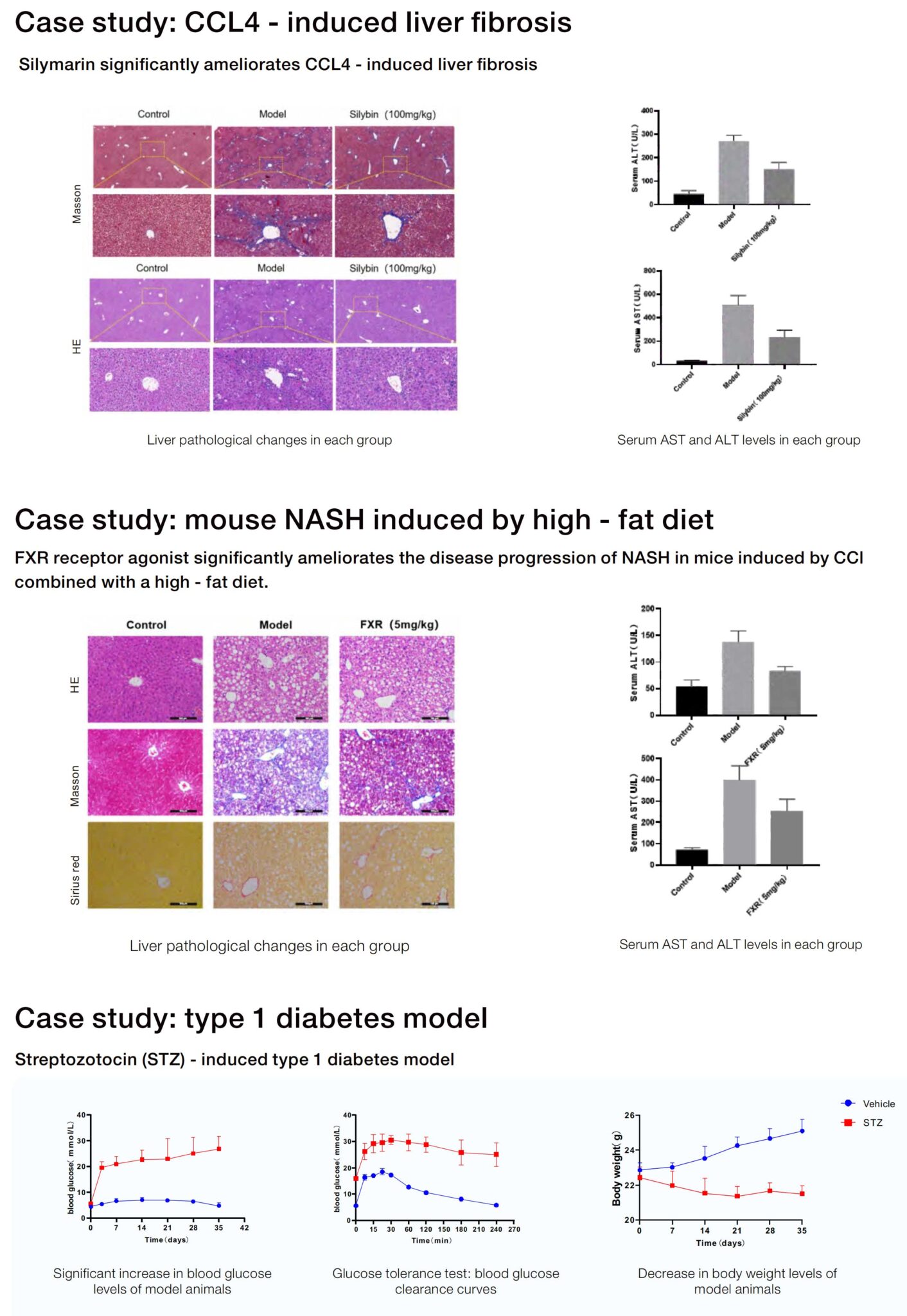
Other HBV approaches include hydrodynamic injection models, humanised-liver mice, and various transgenic or knockout lines. Each has merits: humanised mice can emulate human hepatocyte responses; hydrodynamic systems accelerate screening. But trade-offs exist — cost, throughput, and translational fidelity differ. Common mistakes occur when labs mix model types without harmonised protocols, or when small cohort sizes underpower statistical comparisons. Standard lab practices like consistent bedding, controlled light cycles, and pre-specified glucose tolerance test timings also matter for cross-study comparability — neglect them and you inflate noise.
Operational checks that preserve integrity
On the bench, there are concrete checks to run every study. Power calculations before enrolment, blinded pathology reads, inclusion of positive and negative control cohorts, and routine QC of viral stocks. Data harmonisation across sites requires predefined metadata fields: animal strain code, age, diet, cage density, and assay lot numbers. These metadata create the audit trail reviewers and regulators expect.
Real-world anchor and common pitfalls
Across Asian centres during the COVID era, many labs ramped up animal studies quickly — that surge exposed procedural shortcuts that later reduced reproducibility. The lesson was clear in Singapore: robust SOPs and cross-site comparability are non-negotiable. Labs that skipped blinded scoring or lacked consistent phenotyping saw divergent results when external groups tried to reproduce them — lah, messy outcome lor.
Three golden rules for choosing the right HBV model
Apply these evaluation metrics when selecting a platform or vendor:
1. Biological fidelity: Confirm the model reproduces the specific pathology you need (for example, sustained viraemia or human-like immune interactions).
2. Operational transparency: Require SOP access, raw data export, and batch traceability for assays such as qPCR or histology scoring.
3. Reproducibility evidence: Look for independent replication, standardised phenotyping reports, and clear power calculations in study documents.
Final assessment and the practical value
Choosing the right HBV mouse model is about aligning biology with method. Jennio Biotech’s emphasis on standardised breeding, clear SOPs, and traceable data helps keep studies interpretable and transferable across labs. For anyone serious about reducing variability in viral and metabolic endpoints — such as glucose tolerance test timing or hepatic steatosis scoring — those operational controls matter most. The right model also sits alongside other animal model work; for instance, integrating an animal model of metabolic disease dataset can strengthen translational relevance.
This approach leaves teams with measurable expectations: tighter variance, repeatable endpoints, and cleaner audit trails. Look for those outcomes when assessing partners — and remember, consistent practice beats ad‑hoc fixes every time.
Jennio Biotech knows how standard processes translate into trustworthy data and clearer decisions for researchers. Ready, steady — results.
