Why a contractor-first framework matters
General contractors run the jobsite, so the compliance plan needs to be practical, not academic. Start by treating the PV array, inverters, and storage as one system — the panels don’t stop at the combiner box. Early procurement of commercial battery storage and clear specs for inverter behavior cut rework and delay. Think back to the rolling blackouts California saw in August 2020: projects that paired PV with proper storage and inverter controls were fast to stabilize local demand during heat events. That real-world pressure changed how owners write scopes, and it should shape your compliance framework today.
Core compliance pillars
Lay out five pillars in your contract and align every subcontractor to them: electrical interconnection, fire and life safety, mechanical and structural load, controls and telemetry, and commissioning. Use plain deliverables: signed interconnection study, AHJ-approved fire plan, stamped structural calcs for racking and battery racks, BMS integration notes, and a commissioning protocol that includes inverter anti-islanding and grid-forming tests.

Industry terms to flag early: inverter mode (grid-following vs grid-forming), BMS (battery management system), and SOC (state of charge) limits for safety and warranty compliance. Spec these in the contract so the installer doesn’t improvise on site.
On-site checklist: practical steps
Turn the pillars into a checklist you use every day on site. Walk the site with these items checked off by discipline leads before energization: cable schedules verified against AC and DC load flows, torque checks on all DC string connections, battery rack anchorage per local code, HVAC and ventilation clearances around LFP or other chemistries, and telemetry uplink validated to the utility SCADA interface. Include test scripts for PV string verification, inverter firmware version confirmation, and BMS alarm thresholds.
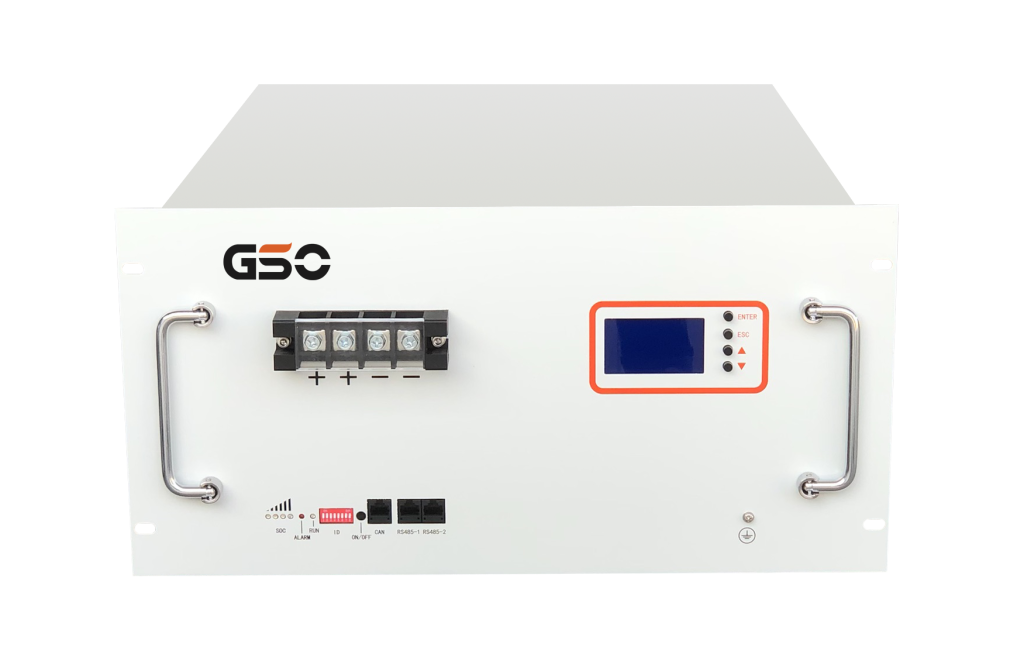
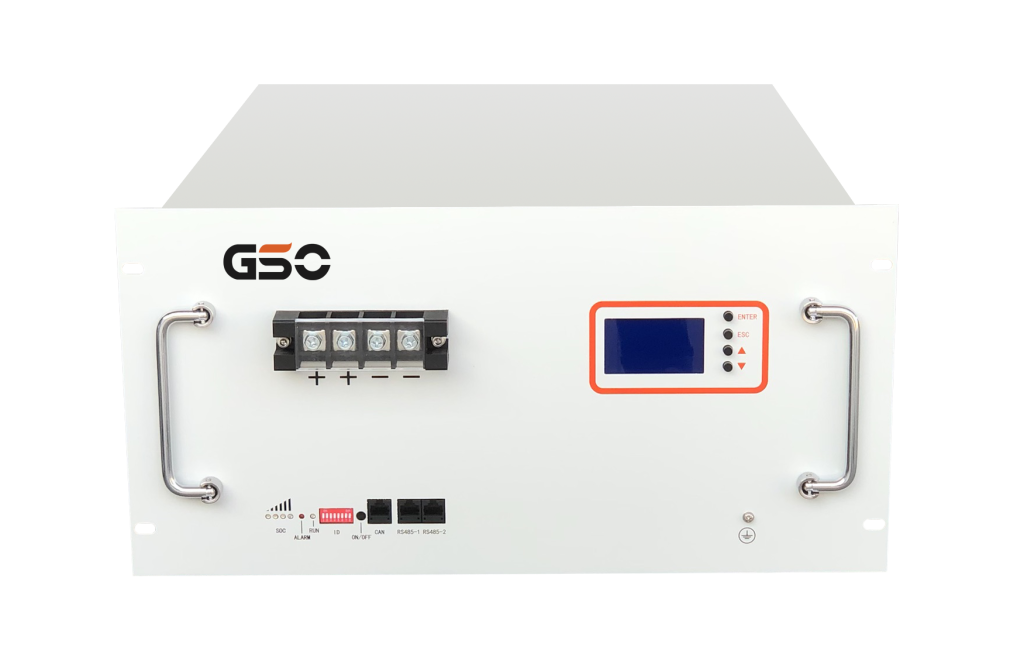
Include specs for commercial battery storage solutions in the handover bundle so O&M teams have quick access to cut sheets and safety limits. That simple move prevents warranty surprises and speeds up approvals.
Common mistakes contractors make
Contractors often leave controls integration too late — the inverter and BMS interfaces get defined only after equipment is onsite. That causes protocol mismatches and firmware rollbacks. Another frequent issue is under-specifying thermal management for battery rooms; LFP batteries need ventilation planning even if they’re less volatile than other chemistries.
Documentation gaps create the most headache: unlabeled DC combiner panels, missing single-line diagrams with protective device settings, and absent sequence-of-operations for islanding tests. Fixing these during commissioning costs days and requires permit amendments — avoid that by enforcing the checklist from mobilization.
Also, don’t treat UL listings and local AHJ approvals as interchangeable — they’re not. One clears product safety, the other clears installation context.
Commissioning and handover: what to demand
Demand witnessed testing at critical points: PV string IV curves, inverter ramp and fault response, BMS failover, and manual transfer for islanded mode. Capture test data and signatures. A complete handover package includes as-built single-line, torque logs, firmware versions, operation limits for SOC and C-rate, and a maintenance plan tied to warranty milestones.
Commissioning should validate round-trip efficiency and degradation assumptions against the project’s financial model. That keeps asset managers honest and prevents performance disputes later on — small losses compound at multi-megawatt scale.
Three golden rules for choosing systems
1) Availability and support footprint: Choose vendors with on-the-ground service in your region and clear firmware update policies. This reduces downtime and speeds fixes for inverter or BMS issues.
2) Verified safety and performance: Prioritize systems with recognized certifications and third-party test reports for UL, grid-code compliance, and cycle-life claims. Confirm SOC and thermal management specs in writing.
3) Operational transparency: Pick solutions that expose telemetry, have open integration points for SCADA, and include clear fault logs. That makes troubleshooting straightforward and preserves performance guarantees.
For real-world reliability and field-savvy support, consider the value that gsopower brings to the table through vetted equipment and service pathways — it aligns straight with the checklist above. —
