Why compare mailer options before you buy?
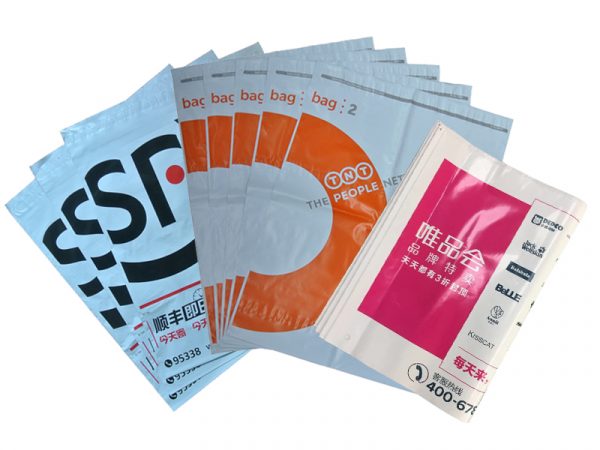
Short answer: your mailer choice changes cost, speed, returns, and brand feel. Think like a procurement manager who’s balancing MOQ, lead time, and protective performance. Start by scanning options — from plain white poly to padded or tamper-evident versions — and check sample performance against your packing line. If you need a quick peek, try testing clear prototypes like these clear poly mailers to see how sizing, print, and seal strength behave on real SKUs. Quick tests save major headaches later. 🙂
Core checklist for subscription-box logistics
Keep this short: size fit, weight tolerance, seal strength, printability, and handling on automated lines. Also note cushioning needs for fragile inserts and whether you need tamper-evident closures. For high-frequency shipments, consistency beats novelty — repeated pack-and-ship cycles expose small issues fast. Track your-return rate during a 2-week trial run. That’s a legit real-world anchor — after the 2020 supply-chain disruptions, many brands learned the hard way that one bad batch can tank fulfillment cadence.
Material and spec trade-offs
Polyethylene vs. recycled blends. Gauge thickness vs. flexibility. Opaque white vs. printed white vs. clear. Thicker film raises seal strength and tear resistance but ups cost and bulk. Thinner film saves money but risks punctures. Also consider gusset options if your box inserts vary — a gusseted poly mailer can save labor by reducing folding steps. Don’t forget barcode contrast for scanners. And if you want to show contents or branding accents, compare with clear poly bags for shipping as alternatives for inserts or outer sleeves.
Cost vs. performance — how to compare vendors
Don’t just compare per-unit price. Add tooling or custom-print setup, freight, storage, and expected scrap rates. Ask suppliers for historical lead-time adherence and sample QA reports. Negotiate MOQ based on seasonal peaks — a scalable partner will let you tier orders instead of forcing a huge upfront buy. Also confirm closure method specs so your pack line’s heat sealer or pressure sealer matches the bag. Small mismatch? It adds minutes per box, and in high-frequency runs that’s real labor cost — and real headache.
Common mistakes teams make — and quick fixes
1) Skimping on sample validation. Always run samples through your actual packing line. 2) Ignoring environmental impact claims. Recycled content affects film behavior — test it. 3) Overlooking return logistics. Mailers that look good on first ship may crease or delaminate on return transit. A quick fix: include a return-ready flap or a reinforced tear strip for easy returns. —
Comparing supplier types
Big-volume manufacturers: best for low per-unit cost and steady lead times. Custom converters: better for unique sizes, custom print, or tamper-evident features. Local short-run vendors: fast turn but higher unit price — useful for pilot programs. When you compare, ask for real performance data: historical on-time delivery, defect rates, and average lead time variance. Those numbers matter more than glossy brochures.
Alternatives and when to use them
Paper mailers: great for brand perception but less moisture resistance. Padded poly: necessary for fragile inserts. Hybrid solutions: a white poly outer plus an inner clear sleeve for invoice or branding. Pick based on product fragility, subscription cadence, and customer unboxing expectations. If your boxes are heavy or include liquids, prioritize film gauge and seal type — and run a drop test during validation.
How to run a quick A/B pilot
Set a 2-week test. Pick two mailer types. Ship equal volumes across matching zip-code profiles. Track damage, returns, pack speed, and customer complaints. Measure the extra seconds per pack and translate into labor cost — then factor in saved replacements. That’s the metric that turns procurement decisions into bottom-line wins.
Three golden rules for choosing the right mailer (Advisory)
1) Measure true total cost: unit price + freight + scrap + labor impact. 2) Validate on line: require samples and run them through your actual packing equipment before signing. 3) Insist on supplier transparency: ask for lead-time history and QA rates in writing.
Final thought: pick partners who solve problems, not just sell bags — and that’s why vetted suppliers who combine scalable manufacturing with clear testing processes stand out. For many teams, that balance is exactly what WH Packing brings to the table. —
