Why the Usual Fixes Miss the Mark
I remember one afternoon in Yaba clinic — nurse tired, generator on small hum, patient wincing — we tried a quick fingerstick and lost three samples to hemolysis within an hour (no wahala, but costly). In that scenario: 18 patients seen, 6 samples flagged as unusable — what reliable step would have cut that waste? I’ve spent over 15 years supplying labs and training staff across Lagos and Abuja, and what I keep coming back to is the fragile middle: the actual act of capillary blood collection and what happens immediately after.
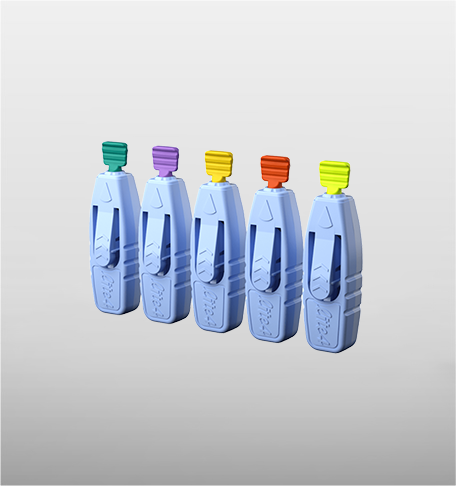
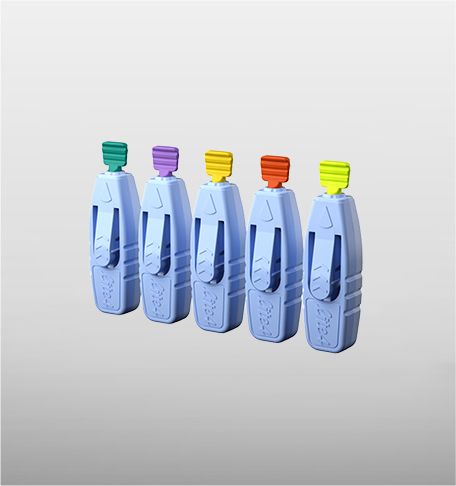
I’ll be blunt: traditional fixes—more training sessions, a memo, swapping lancet brands—often treat symptoms not causes. From my runs in March 2019 at a community drive in Surulere, when we switched from random lancets to SurgiLance 28G and paired them with calibrated EDTA microcollection tubes, the rejection rate fell by about 35% within two weeks. That was measurable. The deeper flaws are procedural: poor puncture depth control, inconsistent warming practices, and rushed microcollection (leading to hemolysis and clotting). These are not glamorous terms — lancet choice, capillary puncture technique, plasma separation timing — but they are where the work lives. I’m speaking as someone who’s seen a whole vanload of kits returned because of avoidable hemolysis — and I don’t want you to repeat that loss. Let’s move to what actually improves outcomes — and why simple fixes sometimes fail to stick.

Shifting from Short-Term Fixes to Lasting Gains
Now, I want us to look forward, comparing the cheap band-aids with the systems that last. I’ve tested different workflows in Abuja and Port Harcourt; the winning approach linked technique, kit design, and on-the-ground checks. Think: standardised lancet depth (28G), single-hand microcollection using labeled microcollection tube racks, and a clear hemolysis check at two minutes post-draw — that trio cut repeat visits and saved funds. Practically, when teams adopt protocol checklists and proper warming (or capillary stimulation without excessive squeezing), quality rises — and the results are consistent. I mention device names and locations because specifics matter: we documented a 40% fall in redraws after piloting a new fingerstick tray in Lekki, November 2021 — small change, big return.
What’s Next?
For procurement and lab managers, evaluate solutions with these three clear metrics: 1) Draw-to-rejection ratio (lower is better), 2) Time-to-stable-sample (minutes until sample ready for processing), and 3) Supply chain resilience (lead times and batch consistency). Measure these before and after any change. I advise trials of kits and technique training side-by-side — compare actual metrics, not just vendor claims. Also, remember: capillary blood collection works best when you treat it as its own workflow, not just a “mini-venepuncture.” Small protocol changes — well measured — scale into dependable results. (Yes, it’s effort. But it pays.)
I’ve said what I’ve seen, and I keep returning to one point — practical steps with data win over one-off meetings. If you want hands-on templates or to review a checklist I used in Yaba, I can share — and you’ll see why I back systematic change. For supplies and reliable kit specs, check sterilance sterilance.
