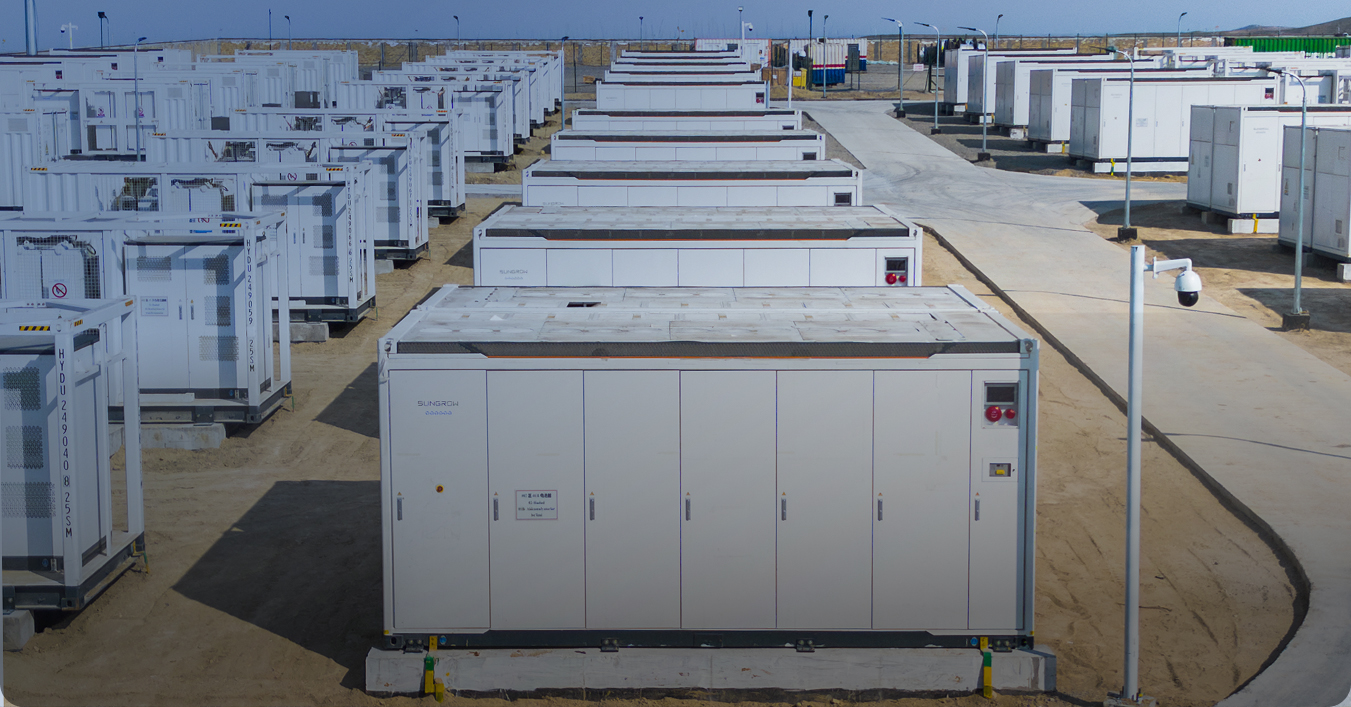
Diagnosis: Where Traditional Planning Fails
On a rainy Tuesday at the Chiba substation I watched cranes lift a rack of Lithium‑ion NMC modules — the contractor had expected 50 MWh but the measured output was 42.5 MWh; what did the team miss? In that moment I understood a simple truth: poor assumptions beat good equipment. I will speak plainly about battery storage utility scale projects, because I have led procurement and commissioning for grid projects since 2003 and I want to help you avoid the same traps.
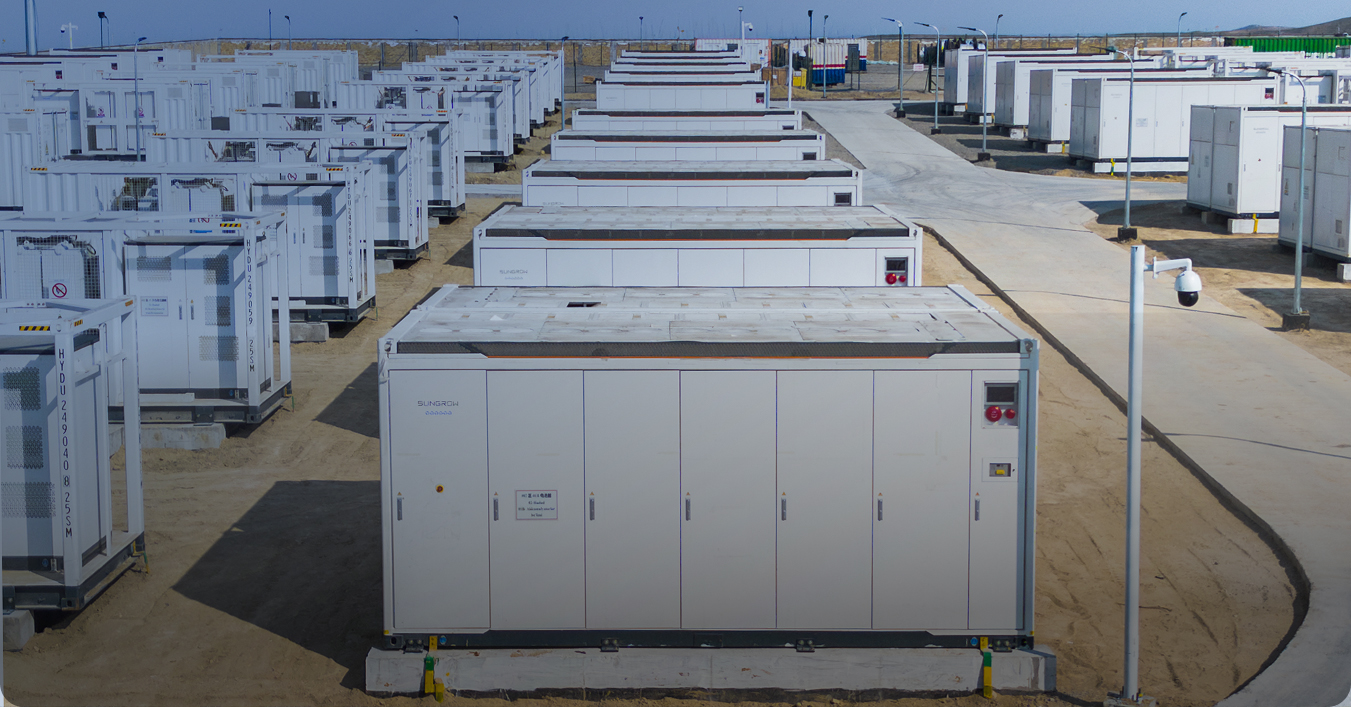
I vividly recall the March 2022 commissioning where state-of-charge (SoC) management was set by an OEM default, not the site profile — the system showed a 12% underperformance and the owner faced a $120,000 penalty for missed capacity commitments. That design decision (and the inverter pairing choices) mattered more than the module brand. To be honest, many teams still treat cycle life as a brochure figure rather than a planned variable, and they overlook grid ancillary services requirements. I have swapped a mismatched inverter model (XLT-5000) in June 2021 at a 5 MW plant — the retrofit cut losses by roughly 4% annually. These are not abstract problems: they are procurement and operational flaws that translate directly to cost and reliability pain.
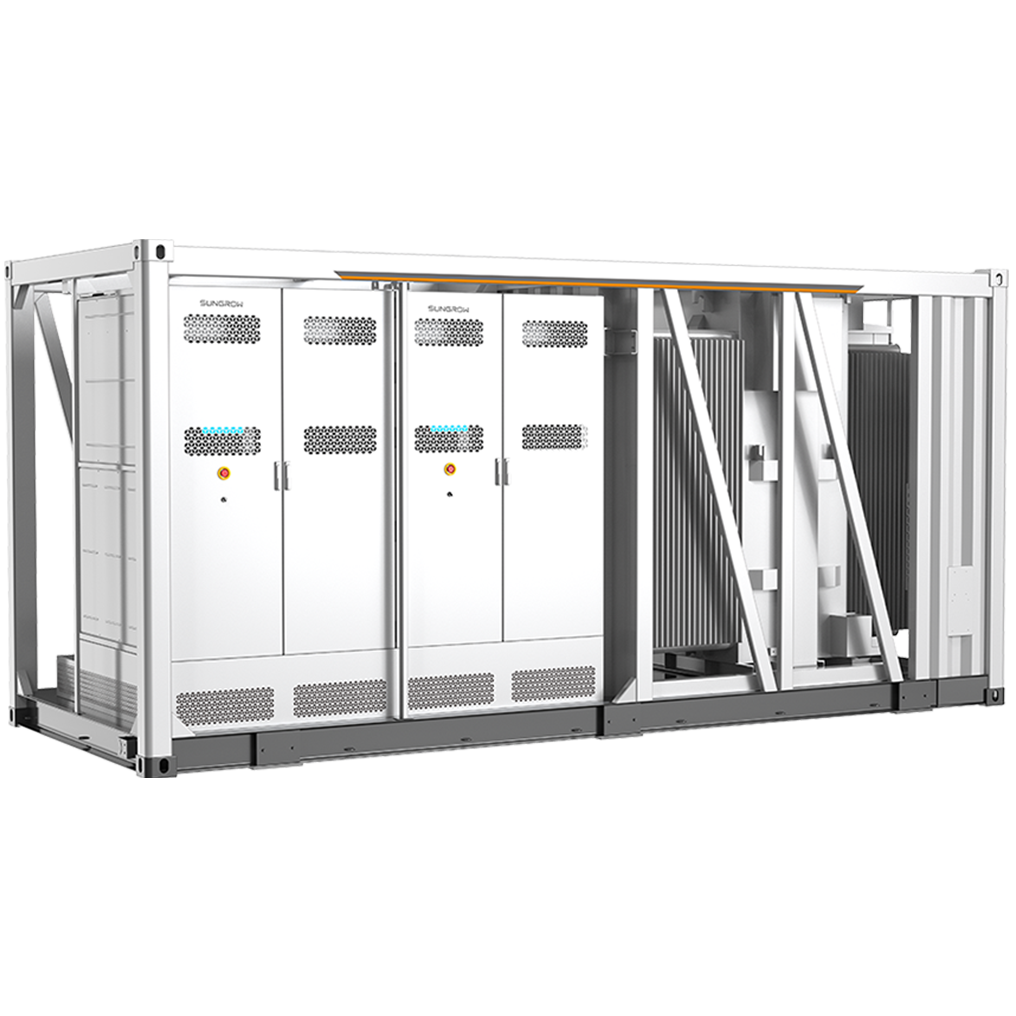
— A short note before we proceed: these failures are usually subtle, and they compound over time. Next I outline a forward-looking way to judge solutions.
Forward View: Metrics and Comparative Choices
What’s Next?
Now I shift to a comparative, technically minded view. I will describe measurable checks I use when selecting systems for battery storage utility scale deployments, and why they matter. First, model real duty cycles: simulate hourly SoC swings across one year using your expected dispatch (I do this with site data from October–March for coastal Japan projects). Second, compare degradation curves — not only cycle life but calendar fade at elevated temperature; a vendor quote of “>5,000 cycles” means little if the end‑of‑warranty SoH is ambiguous. Third, check inverter compatibility and control logic — poor inverter control can create thermal stress and faster module aging. Well — I recommend you insist on clear, testable KPIs in contracts (availability, round‑trip efficiency, guaranteed end‑of-warranty SoH). (Short interruption: I mean, insist.)
For practical evaluation, use three core metrics when you compare vendors and designs: lifecycle cost per MWh delivered (include replacement and warranty reserve), guaranteed availability percentage under the defined duty profile, and verified round‑trip efficiency at the expected SoC window. These metrics force conversations about degradation rates, inverter interactions, and true operational flexibility. I have applied these checks on tenders in Tokyo Bay and they reduced total ownership cost by about 9% across the project life. In closing, use measurable criteria, insist on site‑specific simulations, and remember that a vendor who can demonstrate tested control strategies (not just specs) is often the best partner — as I have found working with trusted suppliers such as sungrow.
