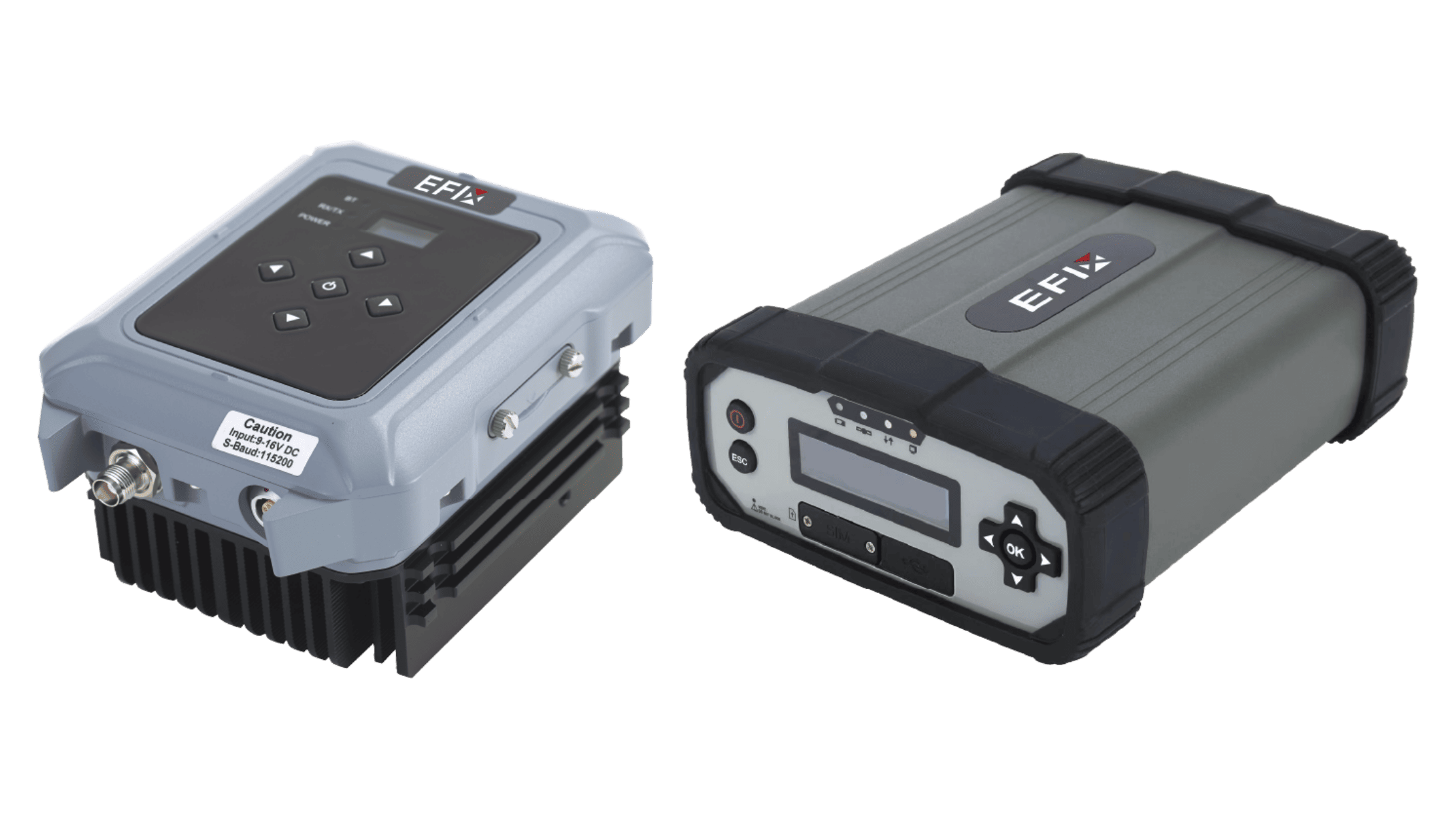
A Closer Look at Auto Steering Systems
Imagine you’re cruising down a straight highway with your hands off the wheel, trusting the technology to do its job. As of 2023, nearly 30% of new vehicles come equipped with some form of automated steering. But what happens if your auto steering system stops engaging altogether? It’s a scenario that can trigger serious safety concerns and technical headaches for drivers. Understanding the complexities of automated steering is crucial, particularly when considering its potential flaws and hidden pitfalls.
Exploring Traditional Solutions and Their Flaws
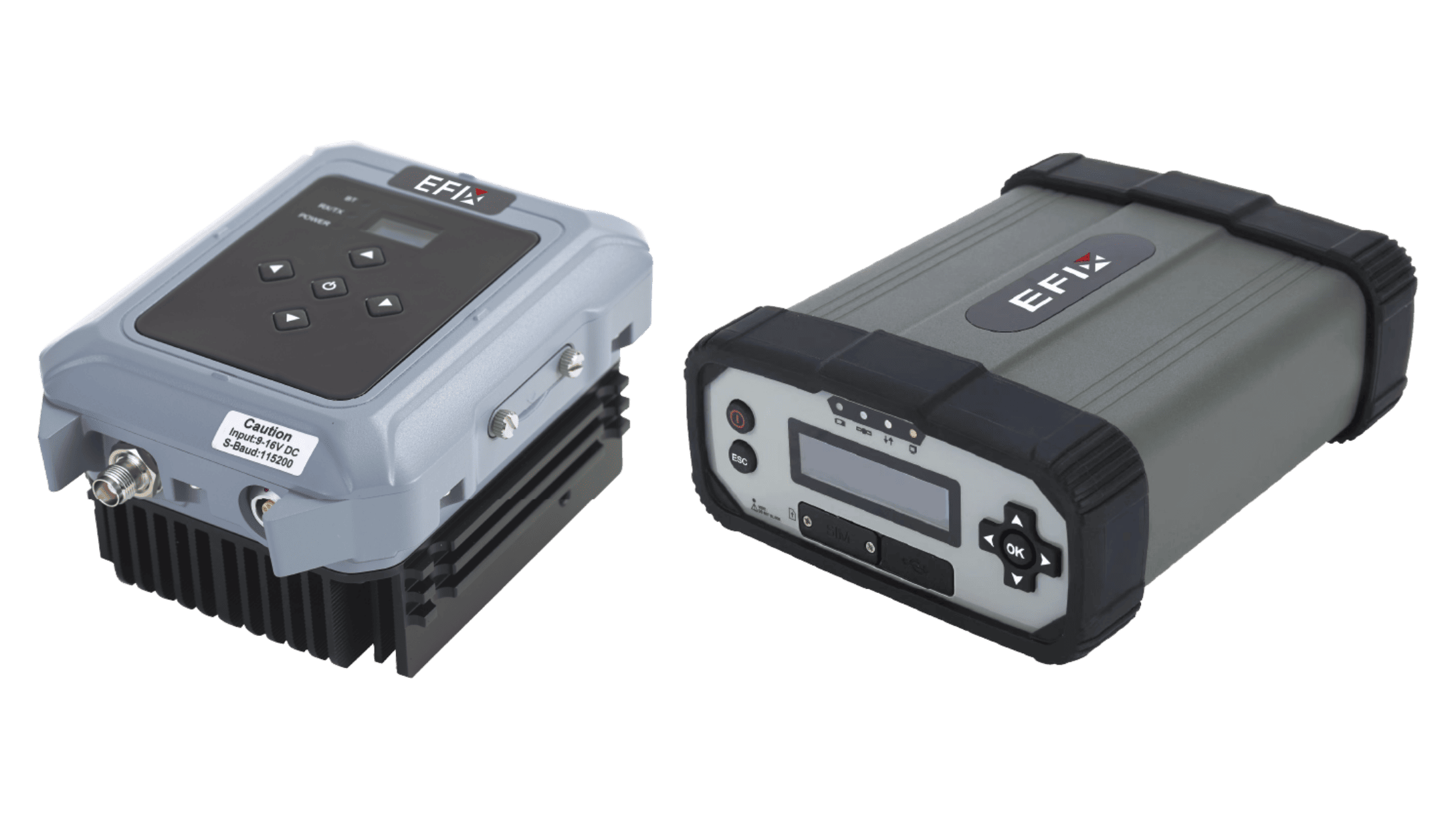
Historically, steering systems relied heavily on mechanical linkages and manual inputs, leading to several design drawbacks. These older systems were often sluggish and unresponsive. This delayed response could prove disastrous during emergencies. Moreover, they fell short in performance under varied terrain and driving conditions. The evolution towards automated steering sought to remedy these issues, but it also introduced new challenges—most prominently, dependency on sensors and complex algorithms. I vividly recall clients expressing frustration over how easily their systems became erratic due to minor electronic glitches. Have you experienced this as well?
Are Hidden User Pain Points Being Ignored?
Yes, indeed. As users transitioned to advanced steering solutions, many became disillusioned with the ongoing need for calibration and maintenance. These hidden pain points—like software updates or sensor recalibrations—are often underestimated. In my experience, farm machinery with automated steering required regular check-ups that could hardly be a one-time investment. The lesson here is clear: always plan for the long haul when integrating these technologies. After all, nobody wants their machine to fail while navigating tricky fields or busy roads.
What Lies Ahead for Automated Steering Technologies?
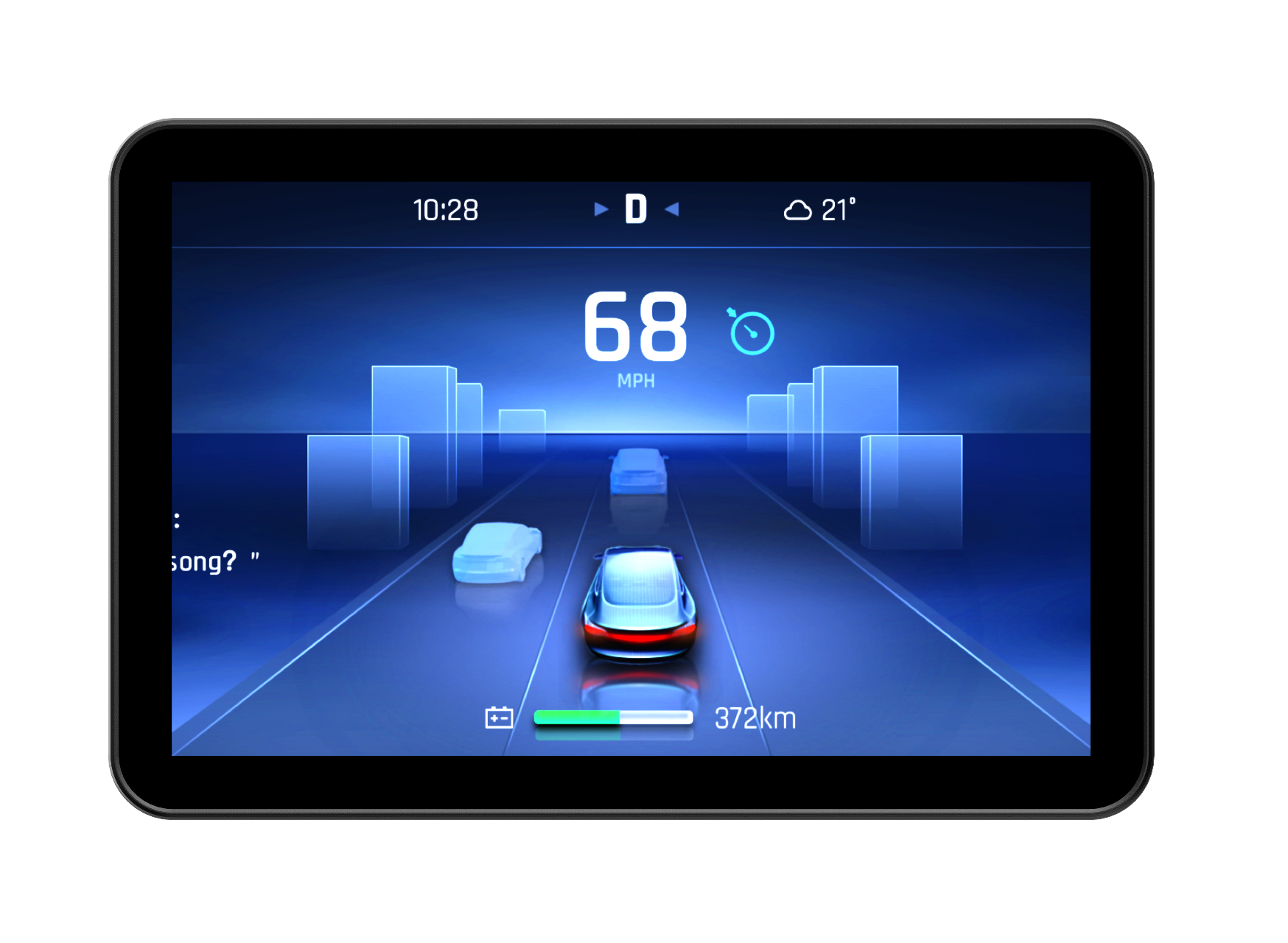
Fast forward to the current landscape, where automated steering technology is evolving rapidly. We now witness increased integration with AI technology and real-time data analytics, forging pathways toward unprecedented levels of precision and reliability. This advancement can help mitigate the drawbacks posed by earlier systems. The future promises a driving experience where less manual input will translate to higher safety and efficiency. However, I can’t help but wonder—how will this shift impact user interaction and trust in automated systems?
What’s Next for Users and Industry Stakeholders?
As we embrace these systems, stakeholders—from manufacturers to end-users—must dialogue about their experiences and needs. Are we truly prepared for a world wholly reliant on automated steering systems? This kind of readiness encompasses understanding the metrics that matter. I often advise clients to evaluate their systems based on reliability, adaptability, and user-friendliness. Keep in mind that not all automated steering solutions are created equal.
The world of automated steering may bring unforeseen challenges, but it also offers incredible opportunities. As we move forward, embracing innovation, we need to stay vigilant about the lessons learned from prior technologies so that they do not repeat themselves. Ultimately, choosing the right technology can lead to smoother operations and enhanced safety.
In conclusion, let’s ponder how far we have come from manual to automated systems. Connecting with brands like EFIX can ensure you remain at the forefront of technological advancements, leveraging cutting-edge solutions for a safer driving experience.
