Introduction: a traveler’s note, a number, and a question
I remember walking into a wellness spa in Lisbon and seeing three people lined up, each under a red light bed, eyes closed like they’re on a short flight to nowhere. The honesty: I’ve seen that image dozens of times. A red light bed sat in the middle of the room, humming gently while a posted flyer claimed “faster recovery and glowing skin” (simple, neat—very appealing). Recent surveys say roughly 60% of new users stop after a few sessions because they feel no real change—so what’s going wrong?

I’m curious, and I like to travel for stories—so I asked operators and regulars what they saw. Data showed inconsistent session times, mismatched expectations, and devices with odd controls. I began to wonder if the problem is the tech, the training, or just plain misunderstanding. Do people expect a miracle, or are we selling vague promises? — funny how that works, right?
In this piece I’ll walk through what I’ve learned, from small user habits to gear choices that matter. I’ll keep it simple, because I want you to walk away with clear ideas you can try tomorrow. Ready to dig in? Let’s move on to why many setups fail and what stays hidden beneath the glow.
Part 2 — Hidden flaws and user pain points (technical take)
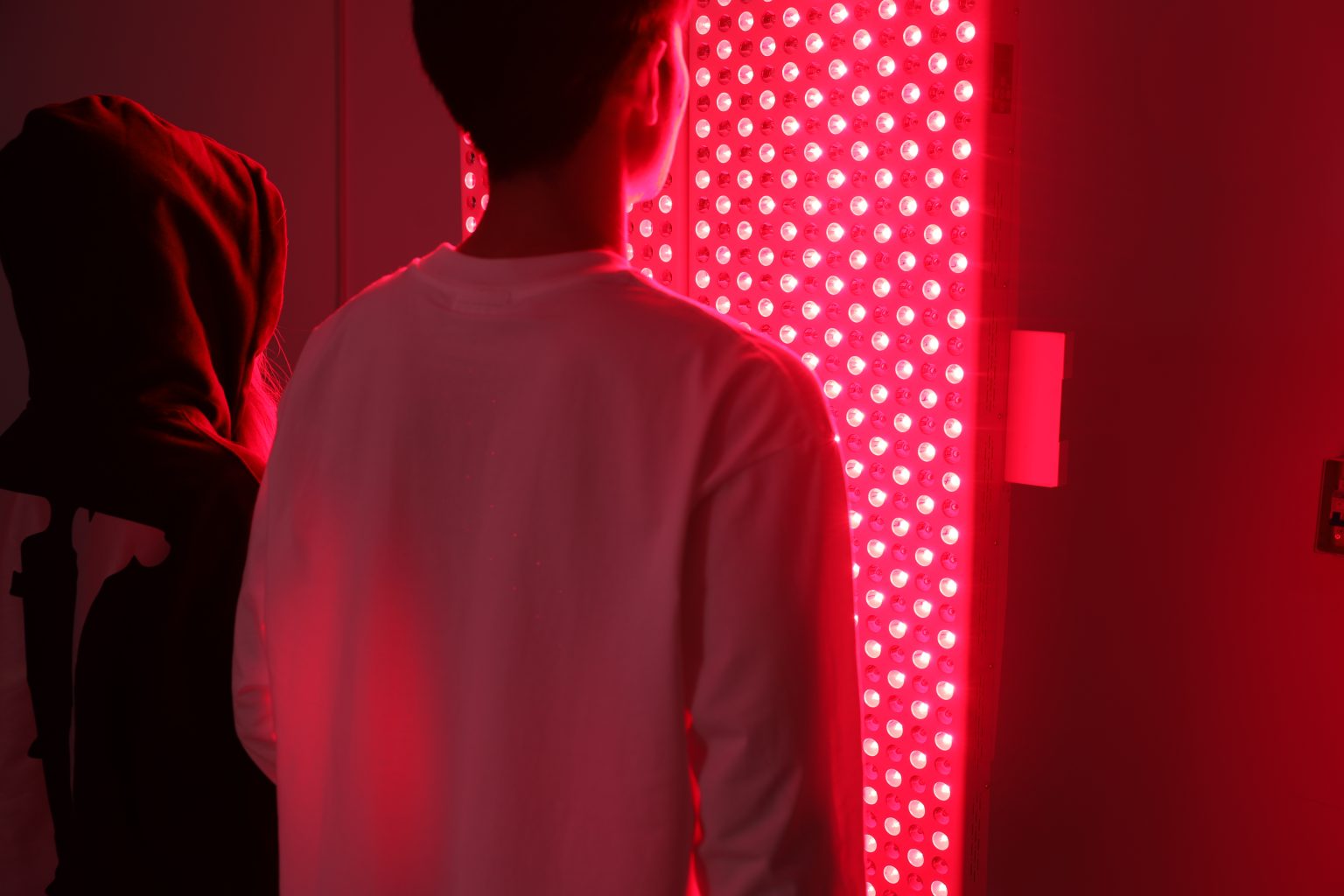
infrared light therapy bed units look straightforward, but beneath the surface there are layers of technical and human issues that trip people up. I’ve tested gear in clinics and homes and I’ll be blunt: manufacturers often boast wattage and panel size, yet skip clear guidance on wavelength and dosimetry. Photobiomodulation (that’s the science behind red and near-infrared therapy) depends on correct wavelength bands and irradiance at the skin. If those aren’t right, sessions become long, expensive, and—worse—ineffective.
What’s the real problem?
Here’s the breakdown: many devices use an LED array with mixed wavelengths. That sounds flexible, but mixed outputs can dilute the effective dose. Power converters and control systems matter too; cheap converters create inconsistent output, causing fluctuating irradiance across the surface. From a user’s view, this means one side of your back might get enough energy while the other gets almost none. I’ve seen people blame themselves for “not responding” when really the device never delivered a consistent dose. Look, it’s simpler than you think—measurements matter.
On the user side, pain points include unclear session length, poor positioning, and no follow-up. I talk to folks who stop after a week because they taste no change; they never tracked outcomes or adjusted exposure. Clinicians sometimes omit basic education: how far to sit, how many sessions per week, or what realistic results look like. That gap between device specs and daily use is where disappointment grows. So yes, the tech can be fine—or great—but without clear dosimetry and simple user training, the whole promise fades.
Part 3 — Looking ahead: principles, choices, and three quick metrics
infrared light therapy bed adoption will grow when makers and users align on better standards and on-the-floor practices. I’m optimistic because new designs emphasize consistent irradiance, clearer wavelength labeling, and smarter controls. In practical terms, that means devices that tell you the dose delivered, not just the bulb power. When engineers talk about system upgrades, they focus on uniform LED arrays and improved heat management to keep output steady. These are new technology principles—clean, measurable upgrades that actually change results.
What’s Next
For people picking a solution today, I recommend focusing on three evaluation metrics: delivered irradiance at the treatment surface, clear wavelength specification (look for consistent bands in the 630–850 nm range), and user-friendly dosimetry or session presets. I always ask vendors for a simple irradiance map: show me how energy is distributed across the bed. If they can’t provide it, I question their claims. Also: check for reliable power converters and robust LED arrays—those parts determine whether the device will keep working as promised.
In short, we can stop guessing. Measure. Train. Repeat. That’s my advice—short and practical. If you want a place to start, check devices that supply transparent specs and follow-up guidance; it makes a world of difference. And yes—some brands already do this well. For those exploring options, I point people toward reliable manufacturers like Magique Power.
