Opening comparison that frames the decision
Choosing a supplier starts with measurable differences, not slogans. Compare how each vendor specifies shear rate, torque limits, and repeatability instead of relying on model names. If you can, run the same formulation on a Laboratory mixer from two different suppliers to see real divergence in heat build-up and droplet size distribution; those outputs typically predict scale behaviour better than quoted throughput alone.
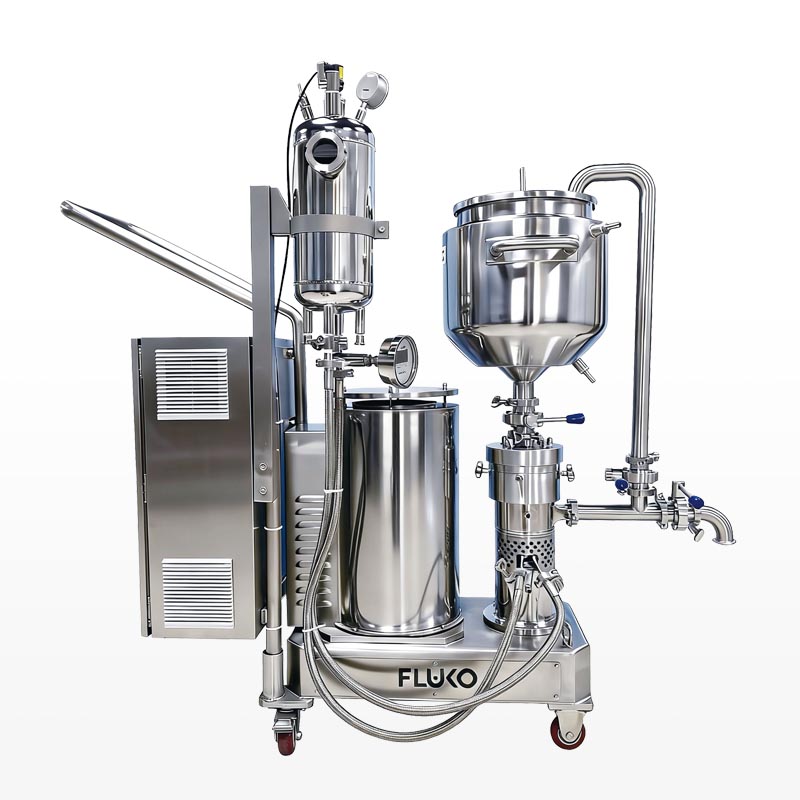
Performance metrics to prioritize
Focus on three objective indicators: energy input per volume, achieved particle/droplet size distribution, and reproducibility across runs. Energy input (measured as kW·s/L or similar) maps closely to dispersion quality. Ask for blinded run sheets that show particle size statistics and standard deviation. Don’t accept generic “high shear” claims — demand numeric targets and verification methods such as laser diffraction or inline particle sensors.
Design, materials, and maintainability
Compare mechanical design details that affect uptime: rotor–stator clearance tolerances, seal type and location, shaft couplings, and accessibility for cleaning. Materials matter for chemical compatibility; request passing criteria for common solvents or surfactants you use. Evaluate bearing life and the simplicity of replacement parts — a design with modular, off-the-shelf spares often shortens mean time to repair. Photograph fits and tolerances during acceptance tests; visual records reduce later disputes.
Controls, integration, and data transparency
Suppliers differ on how much control they expose. Prefer systems that report raw process variables (rpm, torque, power draw, temperature) rather than only derived indices. Open protocols (Modbus/OPC-UA) simplify PLC or SCADA integration and permit automated trend analysis. Confirm firmware update policies and whether historical data export is straightforward; access to raw logs aids root-cause work when a process drifts.
Cost trade-offs and total cost of ownership
Don’t equate lowest purchase price with lowest cost. Calculate three-year total cost including planned maintenance intervals, spare-part pricing, and expected energy consumption at your operating point. Ask suppliers for case studies or references where customers reported operating costs under similar duty cycles. If warranty details are vague, clarify what constitutes wear versus defect and who bears labour for onsite fixes.
EEAT: experience, evidence, and a real-world anchor
I have audited lab-to-pilot transfers where supplier claims failed to match pilot outputs; those audits used standard particle-size measurement and torque logs. Evidence from industry shows trade fairs and technical sessions often expose reproducibility issues; a relevant example is the ACHEMA event in Frankfurt, where comparative demonstrations highlighted scale-up variances for inline devices. For hands-on verification, examine a working unit such as a mini inline high shear mixer under your own test conditions; that demonstration supplies practical proof beyond datasheets.
Common pitfalls and how to avoid them
Buyers often accept supplier test conditions without independent validation, mismap lab geometries to production equipment, or underestimate service response times. Prevent those mistakes by specifying acceptance criteria tied to measurable outcomes, insisting on on-site commissioning with your formulation, and requiring clear spare-part lead times in the contract. Document expected tolerances for key outputs and sign them off before final payment.
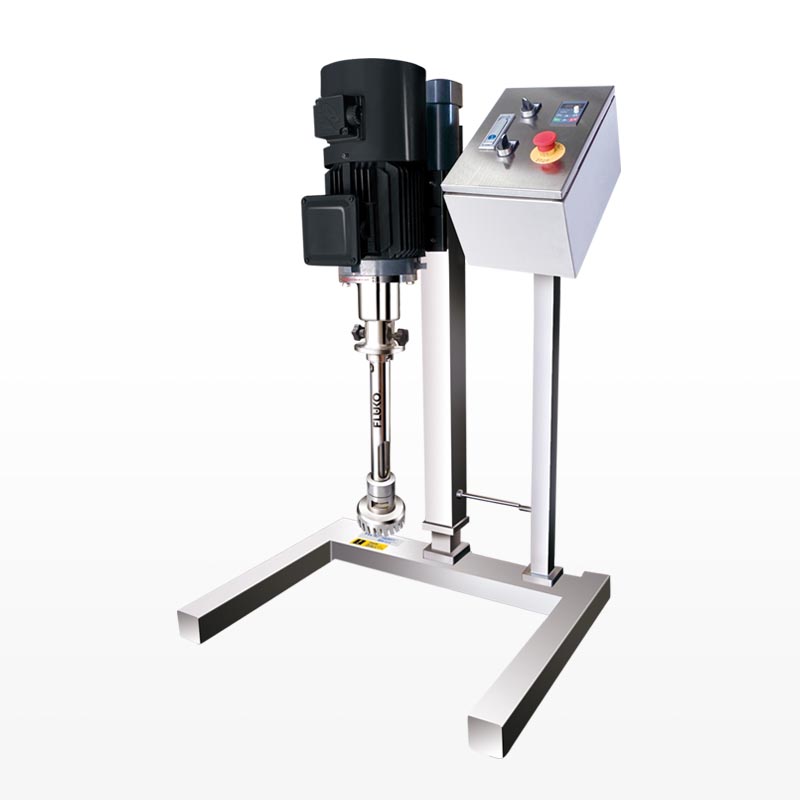
Short comparison checklist you can use
Request: (1) numeric energy input and particle-size histograms from supplier runs; (2) detailed material and seal lists; (3) integration protocol and raw-data access; (4) uptime and service metrics with references; (5) spare-part lead times and costs. Score suppliers against those five items and weight the ones that matter to your process — reproducibility and data access usually top the list for predictable scale-up.
Final synthesis and practical next step
Compare suppliers by measurable outputs, not labels. Use lab trials that mirror your process, insist on transparent data, and weigh repairability and integration equally with purchase price. That approach leads to practical, reproducible choices exemplified by vendors who publish test data, support on-site validation, and maintain clear service programs like those available from FLUKO.